

Marketplace
-
kg-
€-
-
kg-
NGrippers
Grippers are robotic end-of-arm effectors that let robots reliably grasp, hold, and manipulate workpieces for tasks such as picking, packing, and assembly, ensuring precise and efficient handling in automated processes.
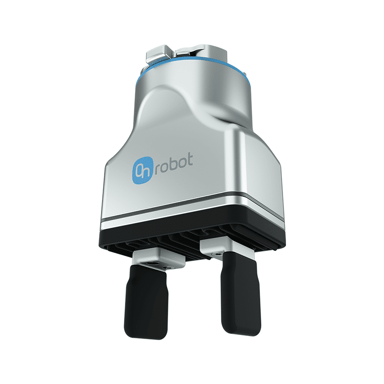
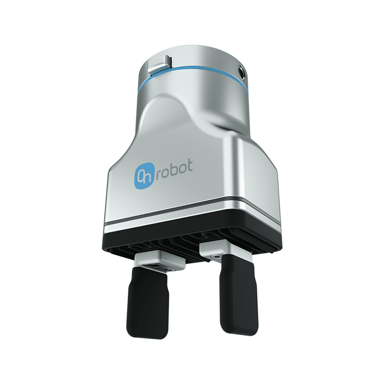
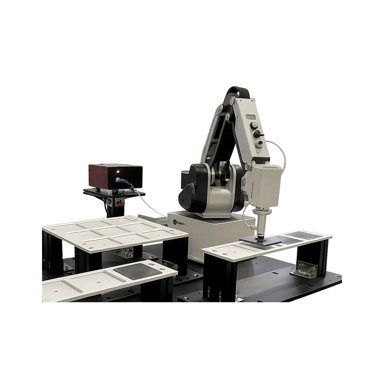
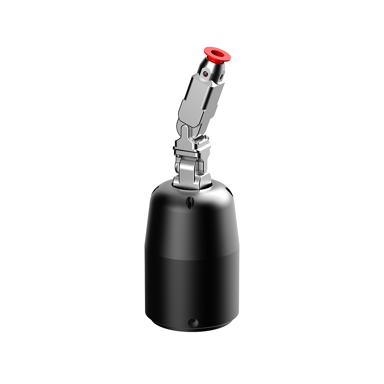
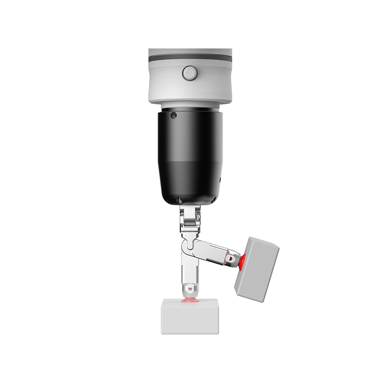
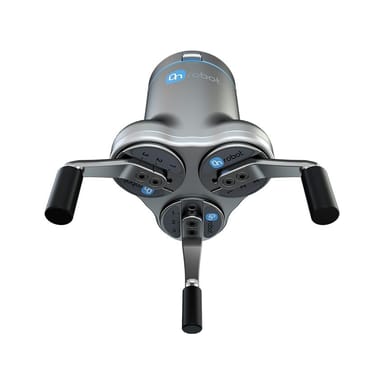
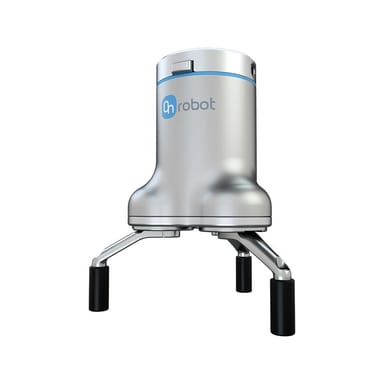
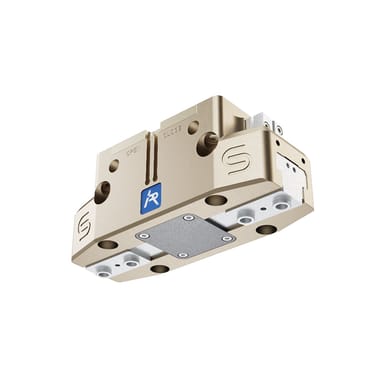
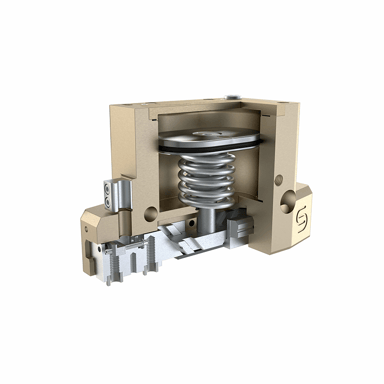
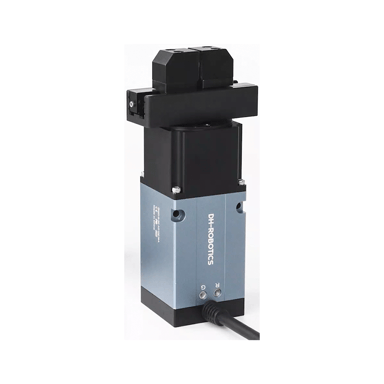
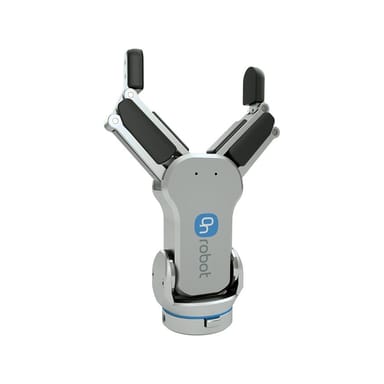
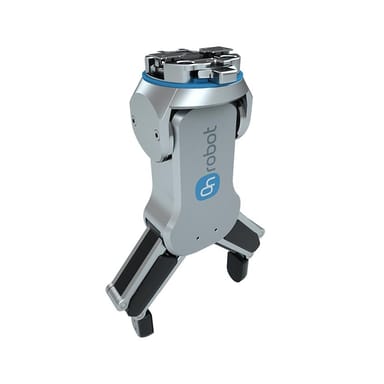
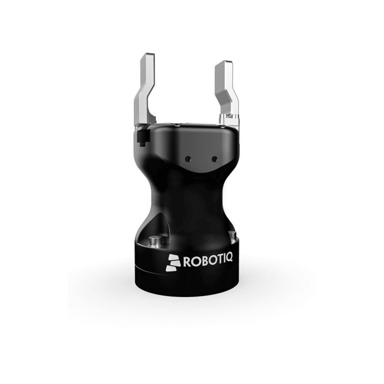
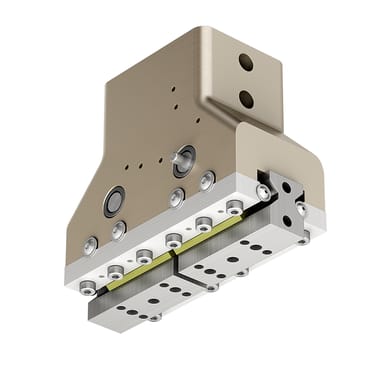
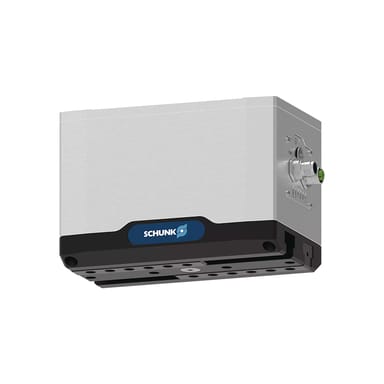
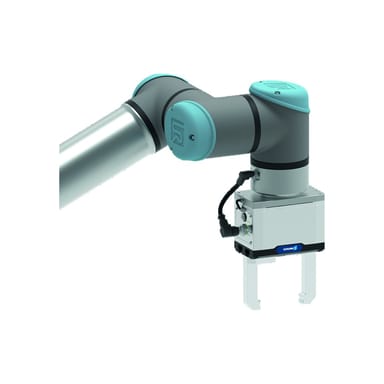
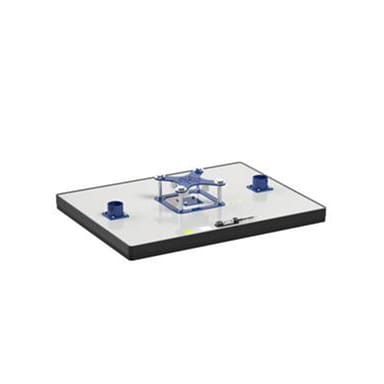
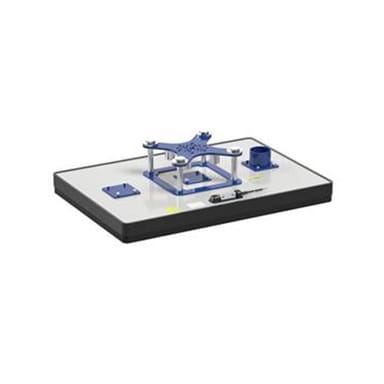
Robotic Grippers: The Right Solution for Precise and Reliable Handling
Grippers are a central component of modern robotics and automation technology. As mechanical, pneumatic, electric, or vacuum-based end-effectors, they serve as the interface between the robot and the workpiece. Whenever components, products, or materials need to be automatically picked up, held, moved, positioned, or set down, a suitable robot gripper is used. Whether in assembly, mechanical engineering, packaging, intralogistics, or in sensitive areas such as food and pharmaceutical production: efficient automation is hardly possible without the right gripping system.
A robot gripper must do far more than simply hold a part. Key factors include the shape, size, surface, and weight of the workpiece, as well as cycle time, process reliability, repeatability, and environmental conditions. Depending on the application, a wide variety of robot grippers are therefore used—from classic finger grippers to vacuum grippers and magnetic grippers, all the way to soft grippers or special bag grippers for flexible packaging and bags.
What are robot grippers?
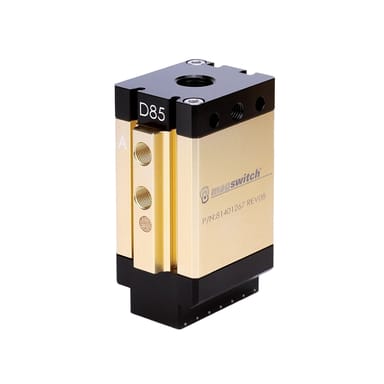
A robot gripper is the tool at the end of a robot arm that enables a robot to grasp and handle objects. In technical terminology, they are often referred to as end-effectors, as they perform the actual work function on the robot. While the robot is responsible for movement and positioning, the gripper ensures that workpieces can be picked up safely and set down again in a controlled manner.
Depending on the application, grippers vary significantly in design and functionality. Some grip using mechanical fingers, while others operate using vacuum, magnetic force, or particularly flexible materials. Selecting the right gripper directly impacts the productivity, process quality, and cost-effectiveness of an automation solution. Therefore, choosing the appropriate gripper for a robot is a critical step in planning automated processes.
What types of grippers are available?
The world of robotic grippers is diverse, as different workpieces require different gripping principles. The most important variants include finger grippers, vacuum grippers, magnetic grippers, soft grippers, and bag grippers.
Finger grippers
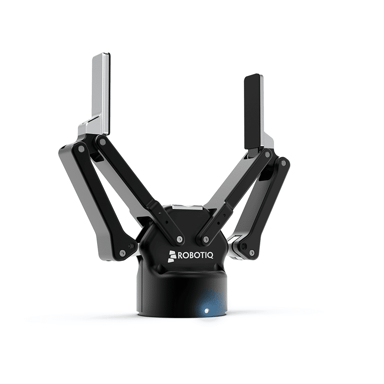
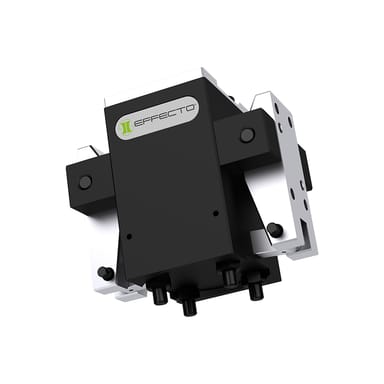
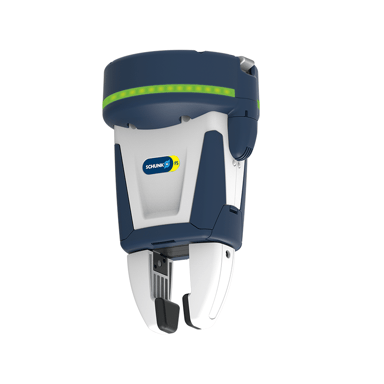
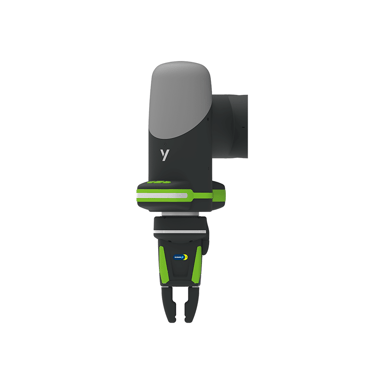
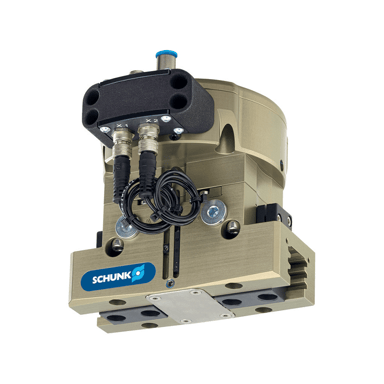
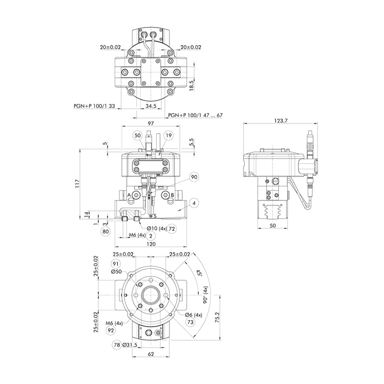
Finger grippers are among the most commonly used gripping systems in industrial automation. They operate with two, three, or more gripping jaws or fingers that hold a component via form-fit or force-fit. These grippers are particularly suitable for rigid workpieces with clearly defined geometries, for example in assembly, machine loading and unloading, or pick-and-place applications.
Depending on the task, there are parallel grippers, centric grippers, or variants with angular movement. Finger grippers are versatile, robust, and can often be easily adapted to various components. For many standard applications, they are therefore the first choice when a reliable gripper for robots is needed.
Vacuum Grippers
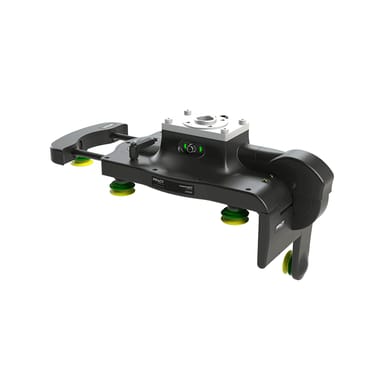
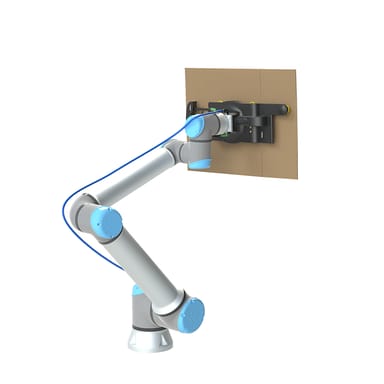
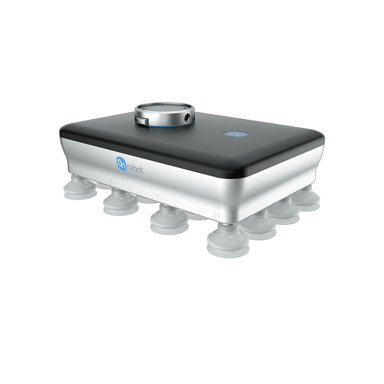
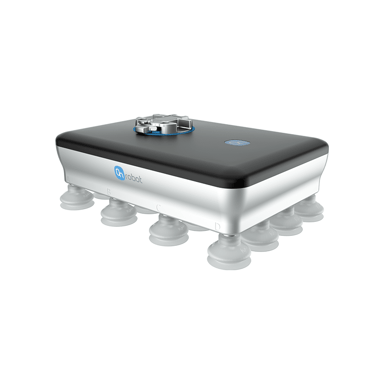
Vacuum grippers operate using suction cups and negative pressure. They are ideal for quickly and gently handling flat, smooth, or delicate products. Typical applications include packaging automation, handling cartons, films, sheet metal, glass, wood panels, and electronics manufacturing.
A major advantage of vacuum grippers is their high dynamics. They enable short cycle times and are particularly well-suited for pick-and-place processes. They also often offer advantages for products with sensitive surfaces, as they do not create localized mechanical stress like conventional gripper jaws. At the same time, however, it is always necessary to verify whether the material, surface, and tightness of the workpiece are suitable for vacuum technology.
Magnetic grippers
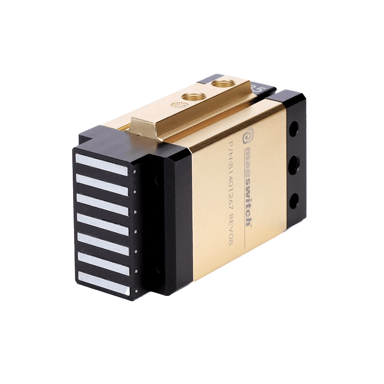
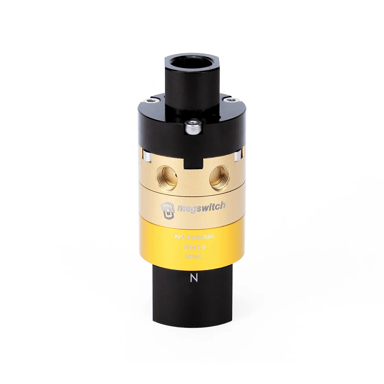
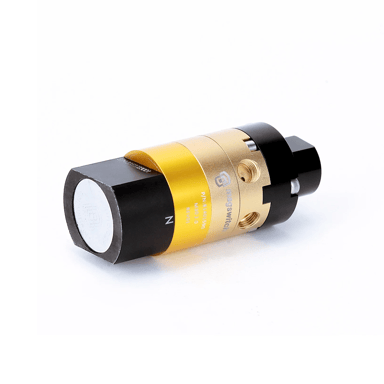
Magnetic grippers are particularly suitable for ferromagnetic workpieces such as steel sheets, metal parts, or stamped components. They use permanent magnets or electromagnetic technology to quickly pick up components and transport them safely. They play an important role especially in metal processing, in press lines, in sheet metal handling, or in automated manufacturing cells.
One advantage of magnetic grippers is that they can operate very efficiently even with thin metal parts or those that are difficult to grip mechanically. Additionally, workpieces can often be picked up and set down particularly quickly. However, it is important to consider material properties, residual magnetism, and the requirements for safety and process control.
Soft Grippers
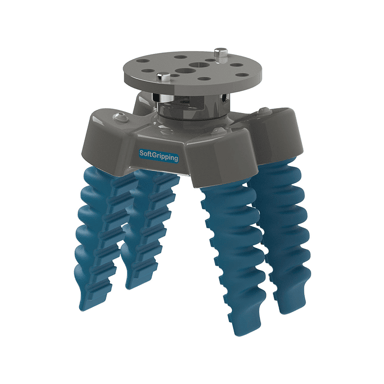
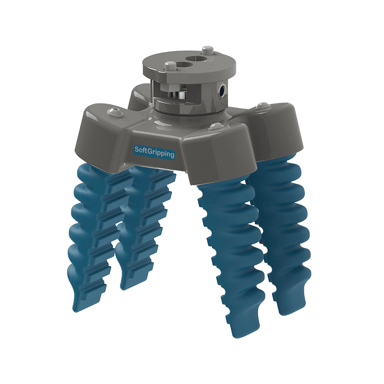
Soft grippers are a particularly flexible and gentle type of robotic gripper. They are often made of soft, adaptable materials and are designed to securely grip sensitive, irregularly shaped, or easily deformable products. Typical applications include the food industry, the pharmaceutical industry, consumer goods production, or, more generally, applications where sensitive products must be handled without damage.
Due to their flexibility, soft grippers can better accommodate different shapes than rigid grippers. This makes them particularly suitable for variable processes and products with changing geometries. At the same time, they support safe human-robot collaboration, as the gripping system itself has a less harsh and aggressive impact on its surroundings than traditional rigid components.
Bag Grippers
Bag grippers are specifically designed for handling sacks, bags, or flexible packaging units. In logistics, food production, the chemical industry, the building materials sector, or the agricultural industry, filled sacks often need to be automatically picked up, palletized, transported, or separated. This is precisely where specialized gripping solutions for sacks come into play.
Since bags do not have a rigid shape and behave differently depending on their fill level, material, and contents, they place special demands on the gripping process. Depending on the design, bag grippers therefore combine mechanical, vacuum-based, or specially adapted gripping principles to safely handle flexible containers. The goal is a stable, repeatable process even with varying bag sizes or sensitive packaging materials.
Why is the right gripper so important?
The right robot gripper plays a decisive role in determining how efficiently, safely, and economically an automated process runs. An unsuitable gripper can lead to missed grips, damage, downtime, or unnecessarily long cycle times. An optimally designed gripping system, on the other hand, improves process reliability, reduces scrap, and increases the overall performance of the system.
Important selection criteria include:
- Workpiece geometry
- Weight and center of gravity
- Material and surface finish
- Product sensitivity
- Required cycle time
- Environmental conditions such as dust, humidity, or temperature
- Interfaces to the robot and the overall system
Especially in modern automation, where processes must become increasingly flexible and cost-effective, the gripper plays a strategic role. It is not merely an accessory but a decisive factor in the performance of the entire robot system.
Grippers in industrial automation
Today, there are applications for robot grippers in nearly every industry. In industrial manufacturing, they handle the feeding, positioning, and removal of components. In packaging, they automate the picking up and handling of products, cartons, or bags. In logistics, they ensure efficient order picking, depalletizing, and palletizing. In the food or pharmaceutical industries, they must operate with particular attention to hygiene, gentleness, and precision.
Thanks to the wide variety of gripping technologies, both simple standard processes and highly customized applications can be implemented. From small, delicate components to heavy or dimensionally unstable products, there is a suitable robot gripper for nearly every requirement. This is precisely why the gripper category is a central component for companies seeking to optimize their processes with robotics and automation.
End-effectors for flexible and future-proof robotics
The trend in automation is clearly moving toward flexibility. Production lines must be able to be retooled more quickly, product variants are increasing, and batch sizes are getting smaller. Modern end-effectors and robotic grippers play a decisive role in meeting these requirements. They enable robots to be used for different tasks and processes to be automated cost-effectively.
Especially when combined with collaborative robots, intelligent sensors, and camera-based systems, increasingly powerful gripping solutions are emerging. This allows workpieces to be not only gripped but also detected, measured, and handled reliably. The gripper thus becomes an intelligent functional element within the entire automation solution.
Find grippers and robotic grippers for every application
Whether finger grippers, vacuum grippers, magnetic grippers, soft grippers, or bag grippers: Choosing the right system always depends on the specific application. Companies investing in robotics and automation benefit from a well-designed gripper solution that is precisely tailored to the workpiece, process, and robot.
In this category, you’ll find grippers for robots and matching end-effectors for a wide variety of requirements in industry and automation. From robust standard grippers to specialized solutions for delicate, flexible, or demanding products, the world of robot grippers offers numerous possibilities for making processes more efficient, safer, and future-proof.
Find your automation solution now with our configurator
