

Marketplace
-
kg-
€-
kgMagnetic Grippers
Magnetic grippers are an efficient solution for the automated handling of ferromagnetic workpieces. They are particularly well-suited for sheet metal, metal parts, and other magnetic materials, and are frequently used in robotics, mechanical engineering, and industrial automation. In this category, you’ll find magnetic grippers for precise, fast, and reliable gripping processes.
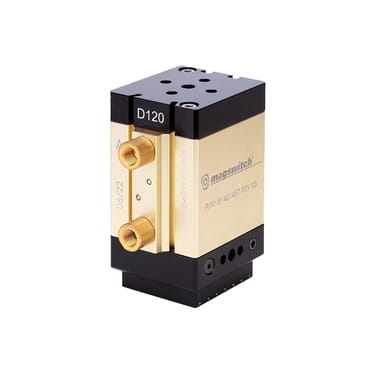
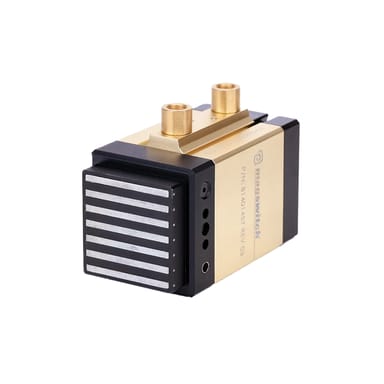
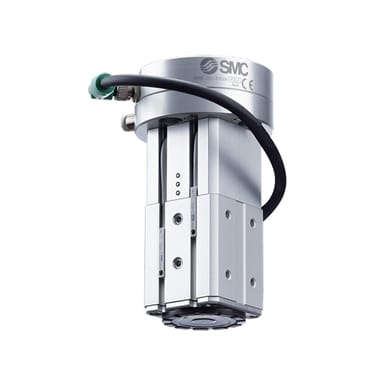
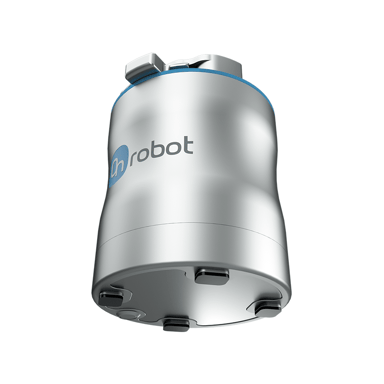
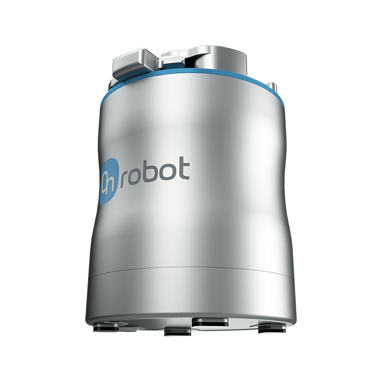
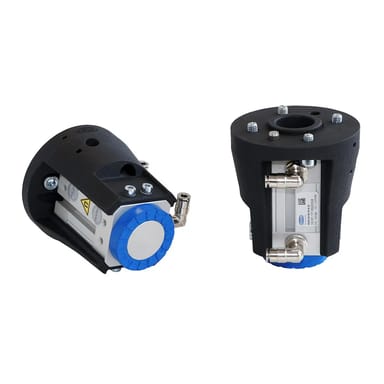
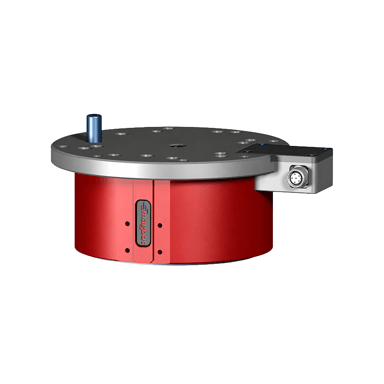
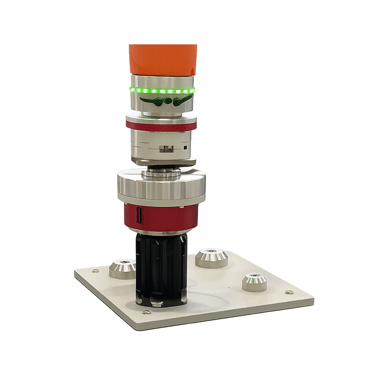
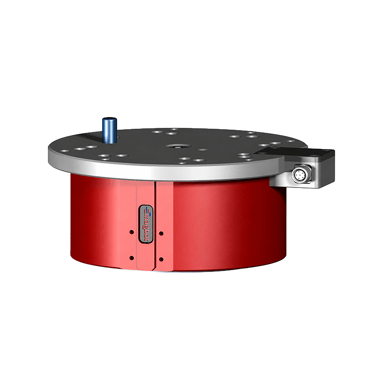
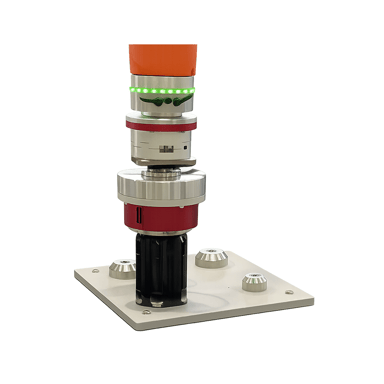
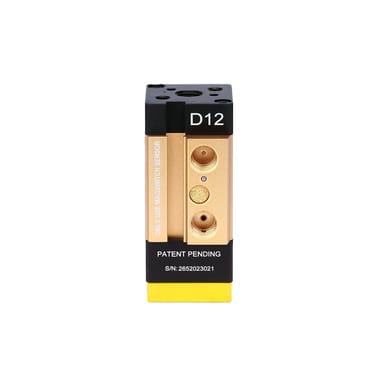
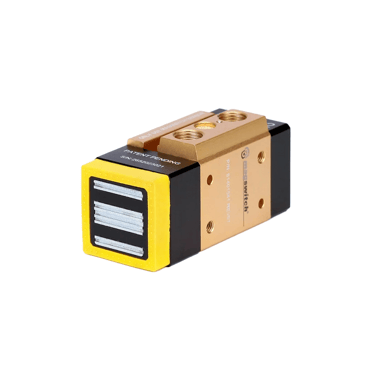
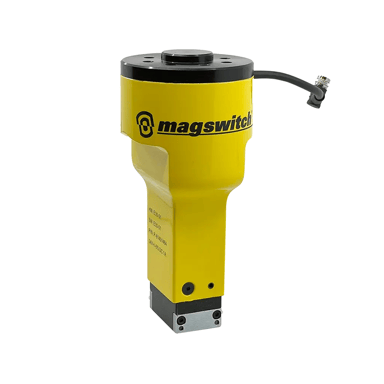
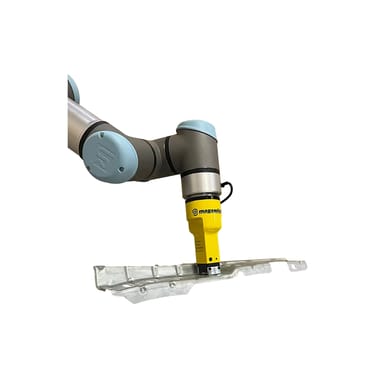
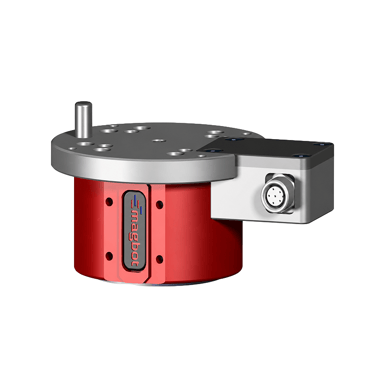
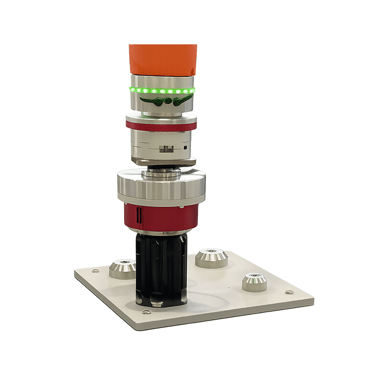
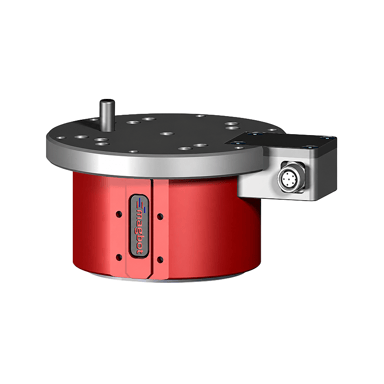
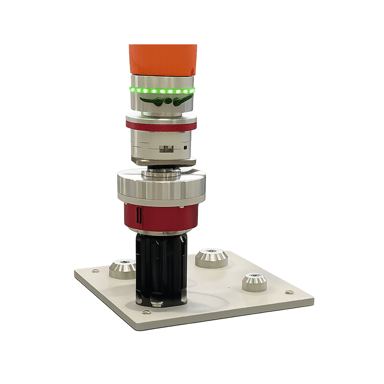
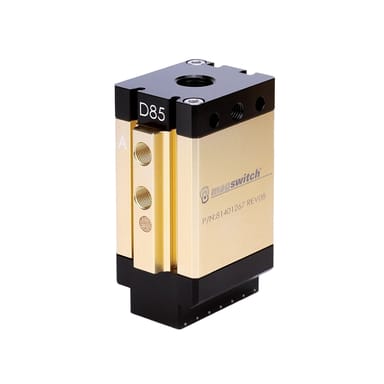
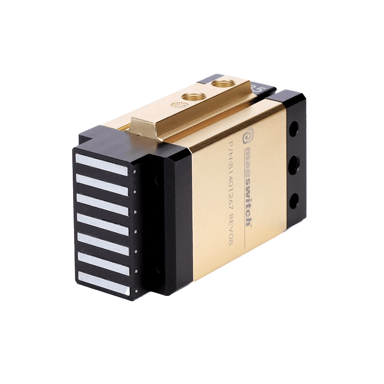
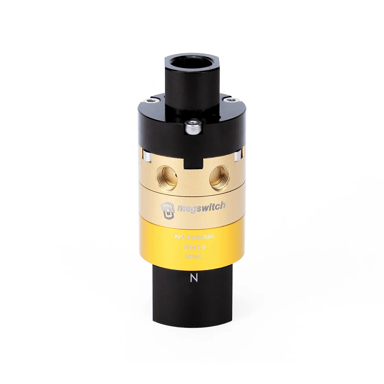
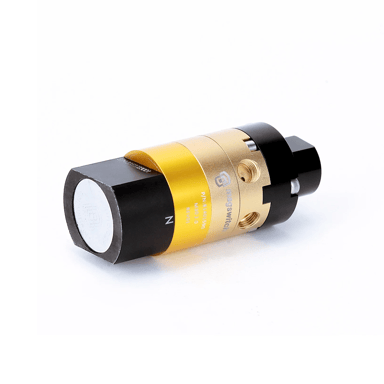
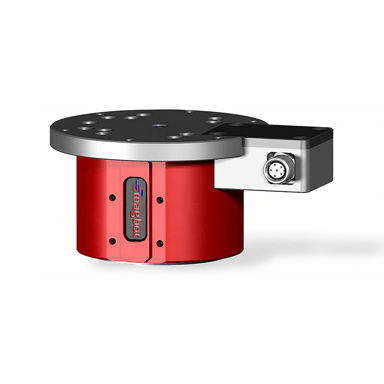
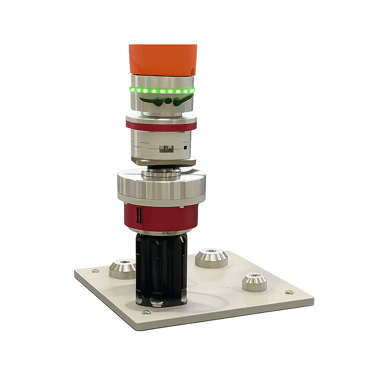
Magnetic Gripper: Efficient Handling of Metallic Workpieces in Automation
A magnetic gripper is a special type of robotic gripper that picks up, holds, and moves workpieces using magnetic force. In industrial automation, this gripping technology is particularly useful when ferromagnetic components—such as steel parts, sheet metal, stamped components, or other metal workpieces—need to be handled reliably. Magnetic grippers are therefore a proven solution, especially in robotics, mechanical engineering, metalworking, and automated manufacturing processes.
Unlike other gripping systems, a magnetic gripper does not use traditional gripping jaws or suction cups, but rather magnetic force to securely grasp workpieces. This can offer advantages in many applications, especially when components are difficult to grip mechanically or need to be handled particularly quickly. A magnetic gripper for robots is thus an important component of modern end-of-arm solutions for industrial automation.
What is a magnetic gripper?
A magnetic gripper is a gripping system that picks up and holds metallic workpieces using a magnetic field. It is mounted on a robot or another handling system and is thus one of the typical end-effectors in automation technology. Its task is to securely grip workpieces, transport them, and place them back in the desired position.
This type of gripping is suitable exclusively for materials that respond to magnetic force—primarily ferromagnetic materials. For this reason, magnetic grippers are particularly common in applications involving steel, iron, or similar materials. Anywhere metallic parts need to be moved automatically, a magnetic gripper can be a highly efficient solution.
How does a magnetic gripper work?
The operating principle of a magnetic gripper is based on the application of a holding force to the workpiece via magnetic force. Depending on the design, the gripper operates using permanent magnets or electromagnetic systems. Both variants aim to pick up metallic workpieces quickly and reliably, but differ in their technical implementation and areas of application.
The advantage of this gripping technology is that workpieces can be picked up directly based on their material properties. This makes magnetic grippers particularly useful for flat, thin, or hard-to-reach metal parts where mechanical grippers may reach their limits. At the same time, their performance always depends heavily on the material, geometry, thickness, and surface of the workpiece.
For which applications are magnetic grippers suitable?
Magnetic grippers are primarily used in metalworking and in automated production environments. Typical applications include the handling of sheet metal, metal plates, stamped parts, blanks, or machined components. They are also frequently used in press lines, for loading and unloading machines, in manufacturing cells, and in feeding processes.
A major advantage is their suitability for processes in which workpieces must be picked up and set down quickly. A magnetic gripper for robots can operate very efficiently, especially with metallic parts featuring simple to moderate geometries. This gripping technology also often offers clear advantages in applications with limited installation space or when dealing with workpieces that are difficult to grip by form fit.
Advantages of Magnetic Grippers
A magnetic gripper can offer many advantages when used correctly. Thanks to the low-contact and direct gripping principle, metallic workpieces can often be handled quickly and reliably. Compared to mechanical grippers, fewer moving parts are often required, which can simplify system design in certain applications.
Typical advantages of magnetic grippers include:
- fast picking up and setting down of metallic workpieces
- well-suited for sheet metal and flat metal parts
- easy handling of ferromagnetic materials
- less mechanical effort required for certain gripping processes
- reliable handling in automated manufacturing processes
Especially in standardized metalworking processes, magnetic grippers can help reduce cycle times and improve process stability.
Limitations and Special Considerations of Magnetic Grippers
As efficient as a magnetic gripper may be, it is not suitable for every application. The most important prerequisite is always that the workpiece must be magnetic. Aluminum, stainless steel with certain properties, or many other non-ferromagnetic materials cannot be handled—or can only be handled inadequately—with a magnetic gripper. The geometry, material thickness, and surface of the workpiece also influence gripping performance.
Furthermore, in many applications, it is essential to consider how securely the workpiece is held and how the gripper behaves during placement. Issues such as residual magnetism or process-specific safety requirements can also play a role. Therefore, a magnetic gripper for robotics and automation should always be selected to suit the specific application.
Magnetic Grippers in Robotics and Automation
In robotics, magnetic grippers really come into their own when metal parts need to be handled automatically. When combined with an industrial robot or cobot, they create a high-performance solution for parts handling, machine loading, or workpiece management in manufacturing cells. The gripper acts as the interface between the robot and the workpiece and directly influences speed, process reliability, and overall reliability.
Magnetic grippers are also relevant as part of a larger end-of-arm system. They can be combined with other components and, in many cases, serve as a key building block for efficient automation processes in industrial manufacturing.
Finding the Right Magnetic Gripper
When selecting a magnetic gripper, you should always keep the requirements of your application in mind. Key factors include the workpiece’s material, geometry, weight, and surface, as well as the desired cycle time and available installation space. It is also important to consider whether the gripper will be used with an industrial robot, a cobot, or other handling systems.
In this category, you’ll find magnetic grippers for various applications in robotics, mechanical engineering, and industrial automation. Whether for sheet metal, metal parts, or other ferromagnetic workpieces, the right magnetic gripper ensures precise, efficient, and reliable gripping processes in automated systems.
Find your automation solution now with our configurator
