

Marketplace
-
€-
mm-
mm-
kgCameras
Industrial cameras power vision in automation, enabling detection, inspection, and precise positioning. From 2D to 3D systems, they drive accuracy, efficiency, and intelligence across automated processes.
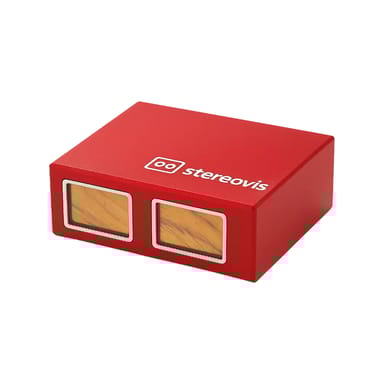
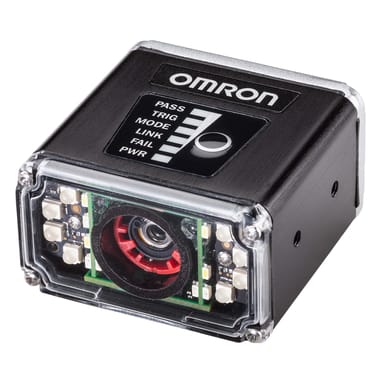
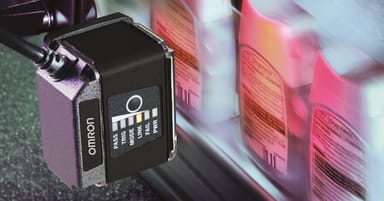
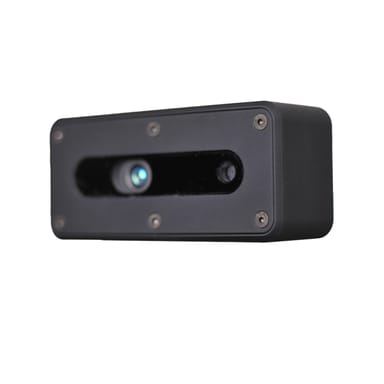
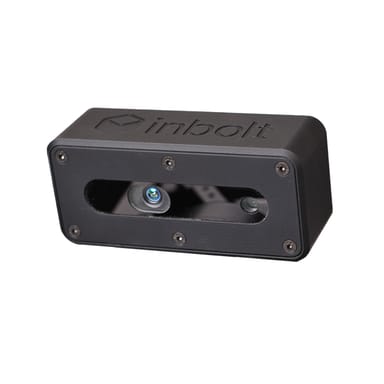
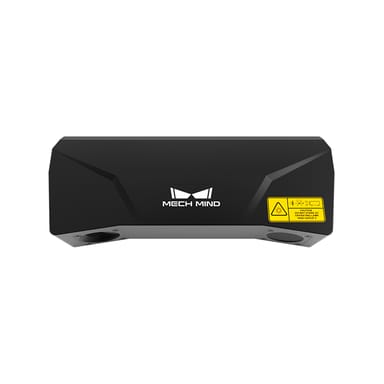
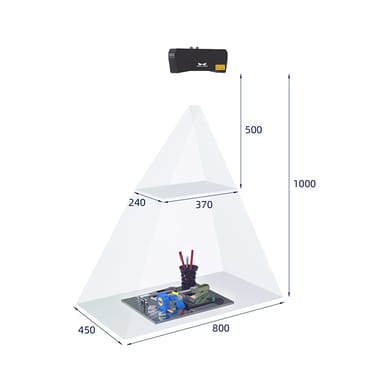

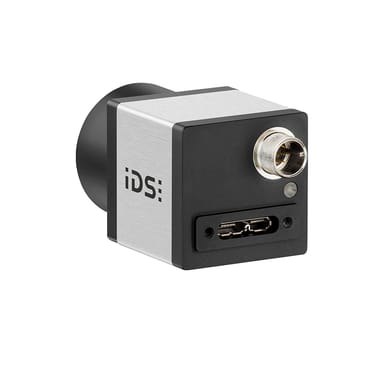
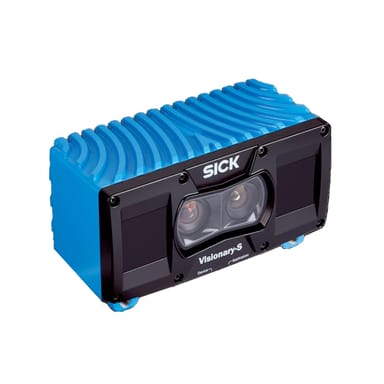
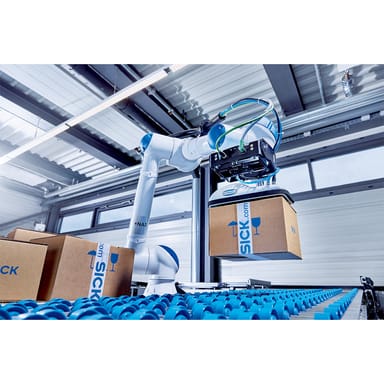
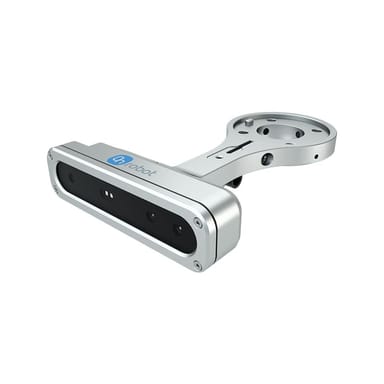
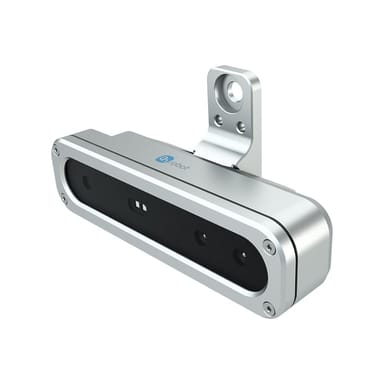
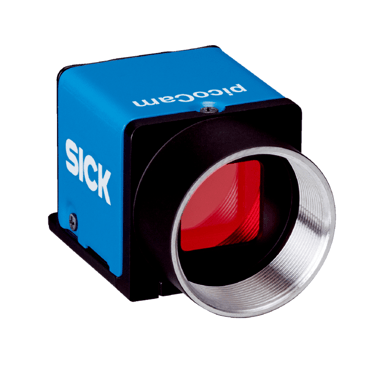

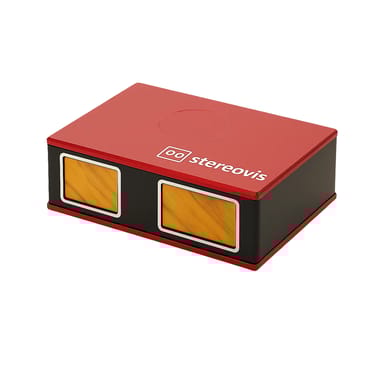
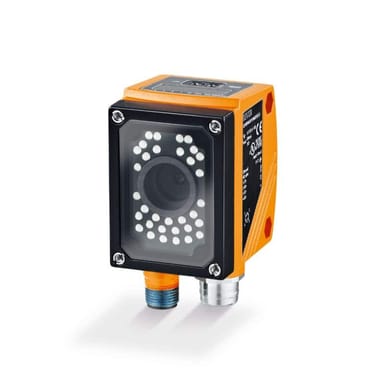
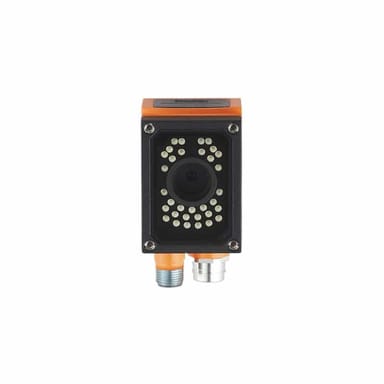
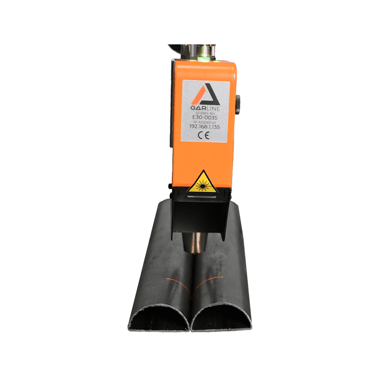
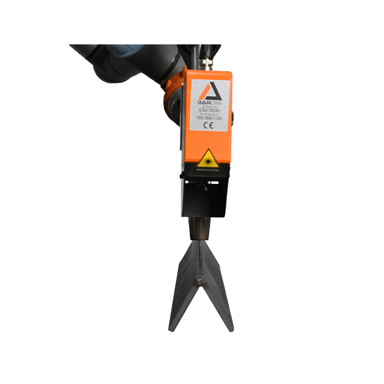
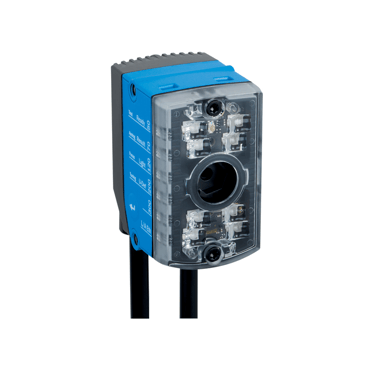
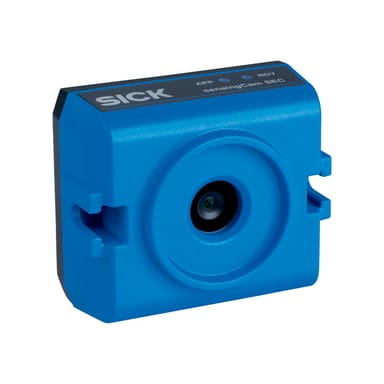
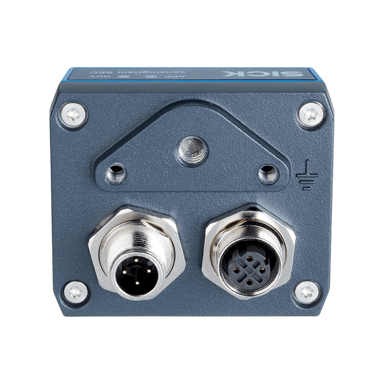
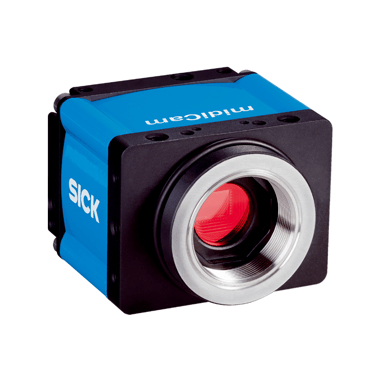
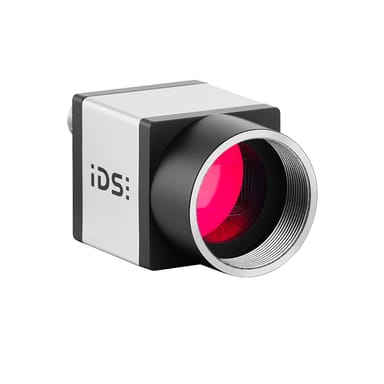
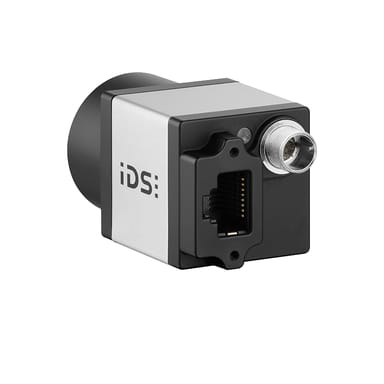
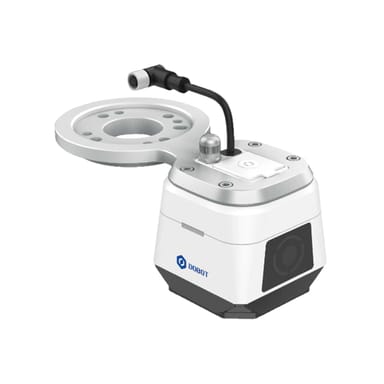
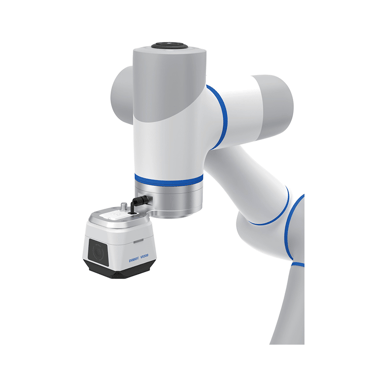
Camera for Industrial Automation: Precise Image Processing for Robotics and Mechanical Engineering
In industrial automation, a camera is far more than just a sensor for capturing images. As a component of modern image processing systems, it provides the foundation that enables machines and robots to recognize objects, determine positions, inspect components, or reliably control processes. Especially in robotics, mechanical engineering, quality control, and intralogistics, industrial cameras are now a central component for efficient, precise, and automated processes.
Depending on the application, different camera technologies are used. Of particular importance are 2D cameras and 3D cameras, each of which addresses different requirements in industrial image processing. A camera system is often complemented by the appropriate lens, as it is the interaction between the camera, optics, lighting, and software that ensures image data can be reliably captured and analyzed.
What is an industrial camera?
An industrial camera is a camera specifically developed for industrial applications that captures images or spatial information in automated processes. Unlike traditional consumer cameras, industrial cameras are designed for reliability, precision, integration into machines, and consistent performance during continuous operation. They are used in plants, robotic systems, and inspection stations to provide image data for machine vision and industrial image processing.
Industrial cameras help automate processes, detect errors early on, and provide robots or machines with important environmental information. They play a role wherever components need to be detected, measured, identified, or inspected. Typical applications include object recognition, position determination, presence detection, code recognition, quality inspection, and support for pick-and-place processes.
Why are cameras so important in automation?
In modern automation technology, processes are becoming increasingly flexible, faster, and data-driven. This is exactly where camera systems come into play. A camera enables machines and robots to sense their environment and use this information to make decisions or adjust their movements. This transforms a rigid process into an intelligent, responsive automation workflow.
Industrial cameras are a particularly important factor when used in combination with robots. For example, they help identify parts on conveyor belts, determine their position, or precisely locate components prior to a gripping operation. Cameras are also indispensable in quality control because they can inspect surfaces, edges, dimensions, or markings quickly and reproducibly. In this way, they help reduce scrap, stabilize processes, and ensure product quality.
2D Cameras for Industrial Image Processing
2D cameras are among the most commonly used camera solutions in industrial automation. They capture two-dimensional image data and are particularly suitable for applications where contours, contrasts, positions, codes, or surface features need to be evaluated. Typical applications include presence detection, identification, label inspection, quality control, or the position detection of workpieces.
The major advantage of 2D industrial cameras lies in their versatility and cost-effectiveness. For many standard applications in machine vision, two-dimensional image data is entirely sufficient. Furthermore, 2D cameras can often be easily integrated into existing systems and are a highly efficient solution for many inspection and recognition tasks.
At the same time, there are limitations when additional depth information is required. As soon as height, volume, spatial structure, or exact 3D positions become relevant, pure 2D capture is often no longer sufficient. In such cases, 3D cameras are the better choice.
3D Cameras for Robotics and Demanding Automation
In addition to image information, 3D cameras also capture depth data, thereby providing a spatial understanding of the environment. This is particularly important in applications where objects are unstructured, have varying heights, or need to be measured in three dimensions. 3D cameras offer significant advantages, especially in robotics, bin picking, palletizing, depalletizing, or complex recognition tasks.
With a 3D industrial camera, the position, orientation, volume, and shape of objects can be captured much more comprehensively than with a 2D camera. This is particularly relevant when robots need to respond flexibly to changing situations. In automated handling processes, for example, a 3D camera can help locate parts in a box, calculate their position, and precisely prepare a gripping operation.
The advantage of 3D cameras thus lies in the additional spatial information and greater flexibility for complex applications. At the same time, such systems are often more demanding in terms of integration, data processing, and application design than traditional 2D solutions. Which option is better suited therefore always depends on the requirements of the specific process.
Lenses as a Crucial Component of Every Camera System
In addition to the camera itself, the right lens also plays a central role in industrial image processing. Even the best industrial camera can only realize its full potential if the optics are suited to the application. Among other things, the lens influences the field of view, sharpness, level of detail, perspective, and the quality of the captured information.
In industrial automation, lenses must be carefully selected to match the camera, sensor size, working distance, and field of view. Depending on whether small details need to be detected, large areas captured, or particularly precise measurements taken, different requirements arise for the optics. Environmental conditions, installation space, and lighting conditions also play an important role in the selection process.
This demonstrates that a camera for industrial automation should never be considered in isolation. Only the interaction between camera, lens, lighting, and software results in a high-performance solution for industrial image processing.
Typical Applications for Industrial Cameras
Industrial cameras are used in numerous areas of production and automation. They are particularly frequently used to detect components, determine positions, inspect products, or assist robots in their movements. In practice, camera systems are used in the following areas, among others:
- Quality control and visual inspection
- Object detection and position determination
- Robot vision and gripper point determination
- Code and barcode reading
- Measurement and inspection
- Pick-and-place applications
- Bin picking
- Assembly automation
- Packaging and intralogistics
2D and 3D cameras are particularly valuable in processes with a high degree of product variety or changing workpiece orientations. They make automation more flexible because machines and robots no longer simply follow fixed, programmed sequences but can actively sense their environment and react to it.
2D or 3D: Which camera is the right one?
Whether a 2D camera or a 3D camera is more suitable depends heavily on the specific application. When the focus is primarily on contrasts, contours, markings, or simple position detection, a 2D industrial camera is often the more cost-effective and perfectly adequate solution. However, when depth information, height profiles, volumes, or complex object positions need to be captured, a 3D camera offers decisive advantages.
It is always important to consider the entire system. Not only the camera itself, but also the lens, lighting, software, cycle time, working distance, and environmental conditions influence which solution works best. In many cases, it is the specific task at hand that ultimately determines which camera technology is truly appropriate.
Advantages of Cameras in Industrial Automation
The use of industrial cameras brings many advantages to automated processes. They help make processes more precise, robust, and flexible. At the same time, they contribute to early error detection and data-driven process optimization.
The most important advantages include:
- precise detection of objects and features
- greater process reliability
- reliable quality control
- flexible automation for varying workpieces
- support for robots and handling systems
- less scrap and rework
- greater transparency in the process
Especially when robotics, machine vision, and intelligent software are combined, powerful automation solutions emerge that go far beyond traditional, rigid processes.
Buy a camera: the right solution for robotics and automation
When you’re looking for a camera for industrial automation, it’s not just the camera itself that matters, but the entire application environment. Key criteria include resolution, frame rate, sensor technology, depth sensing, interfaces, working distance, and the right lens. Only when all components are coordinated does a solution emerge that functions reliably in everyday industrial operations.
In this category, you’ll find industrial cameras, 2D cameras, 3D cameras, and compatible lenses for a wide variety of applications in robotics, image processing, and automation. Whether for simple inspection tasks, demanding robot vision applications, or complex 3D capture: the right camera is a crucial component for efficient, precise, and future-proof processes.
Find your automation solution now with our configurator
