

Marketplace
-
€-
%-
kg-
mm-
End of Arm Tools
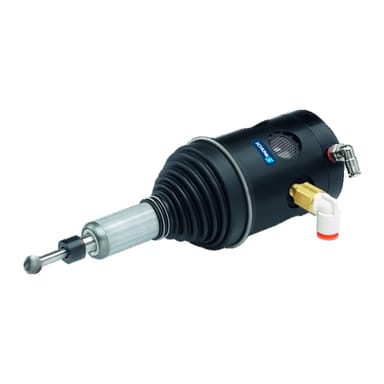
End-of-arm tools turn robots into versatile automation solutions for specific machining and process tasks. These include, for example, grinders, screwdrivers, and other tools that can be mounted directly on the robot. In this category, you’ll find end-of-arm tools for precise, flexible, and efficient applications in robotics and automation.
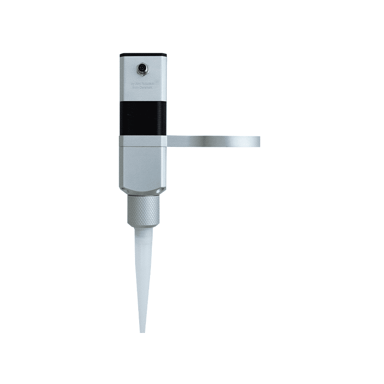
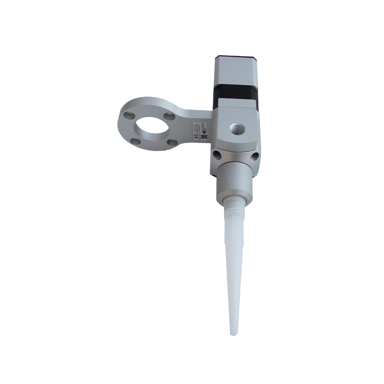
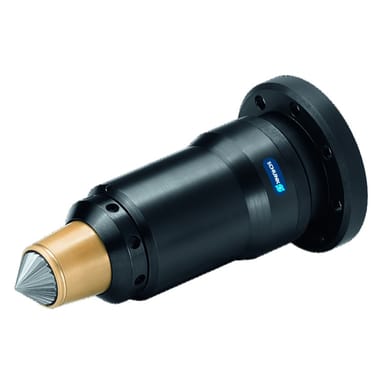
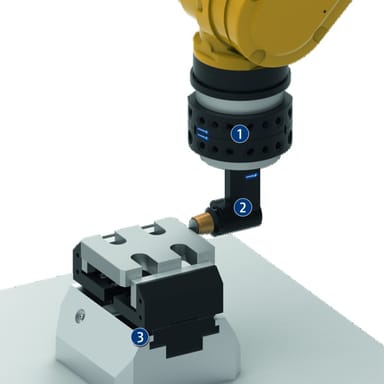
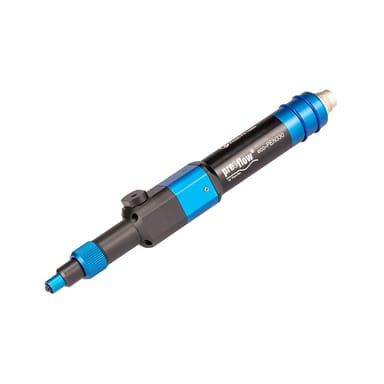
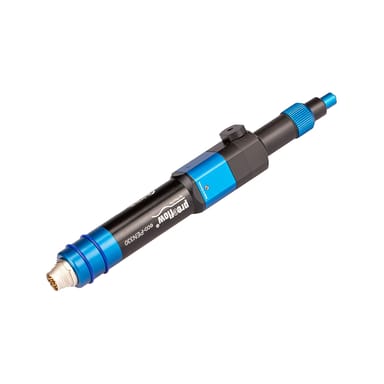
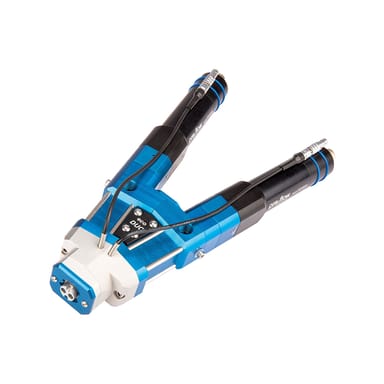
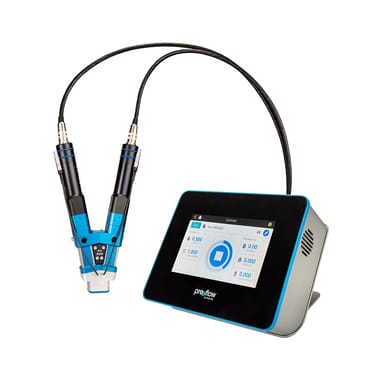
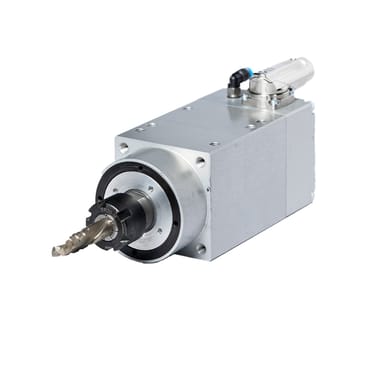
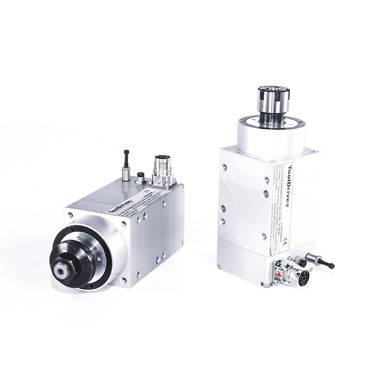
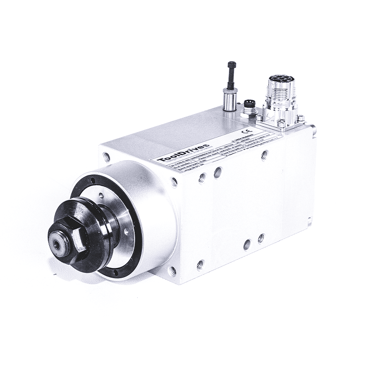
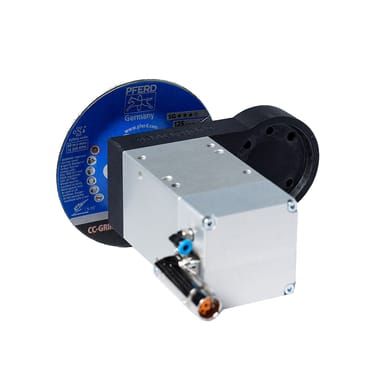
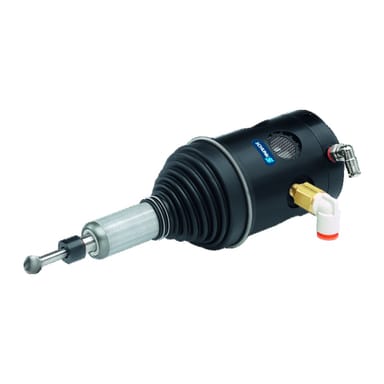
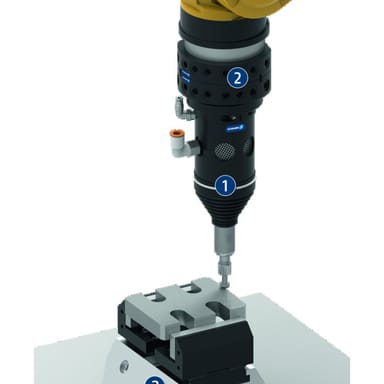
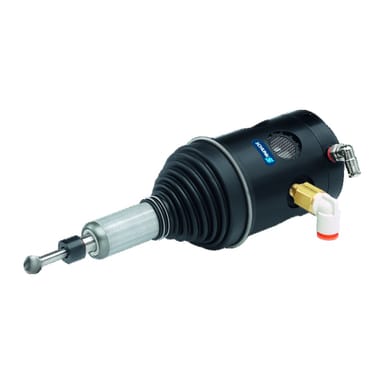
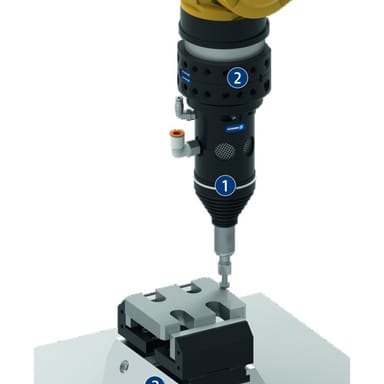
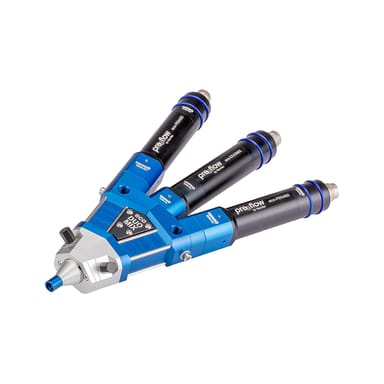
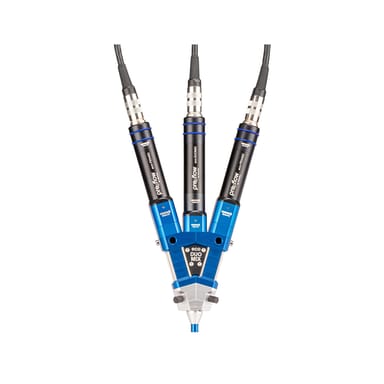
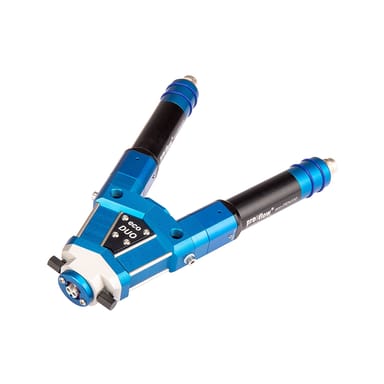
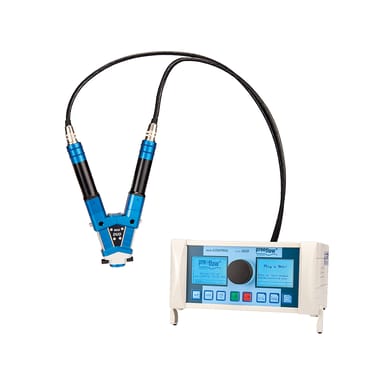
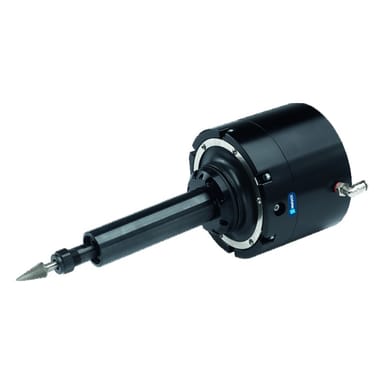
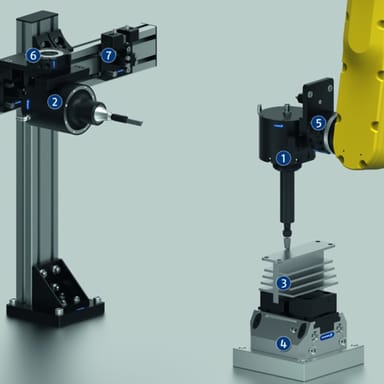
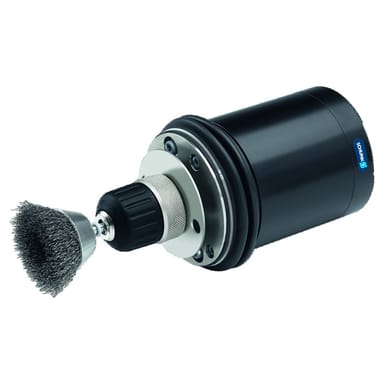
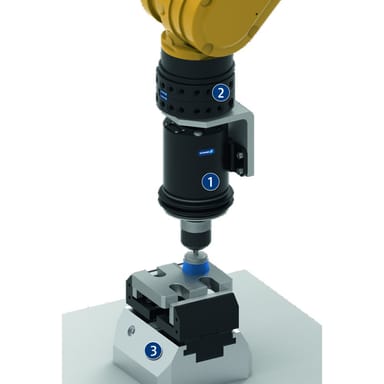
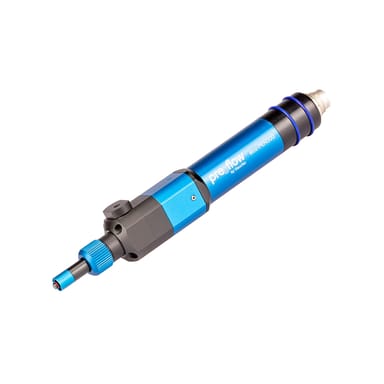
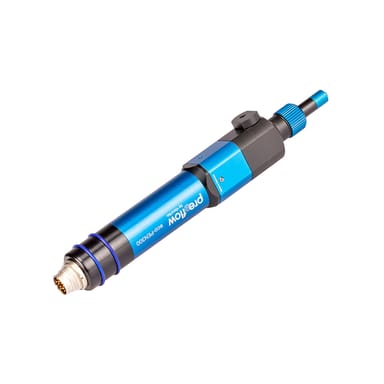
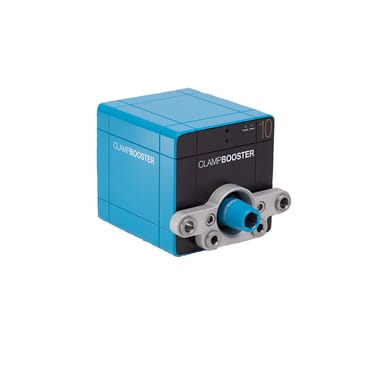
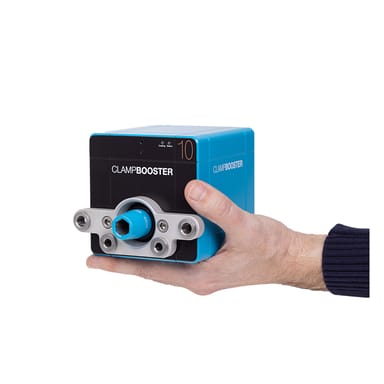
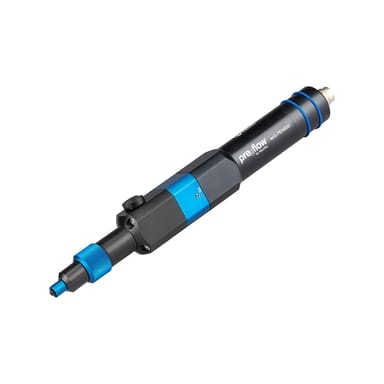
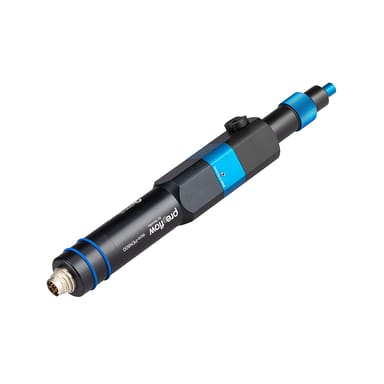
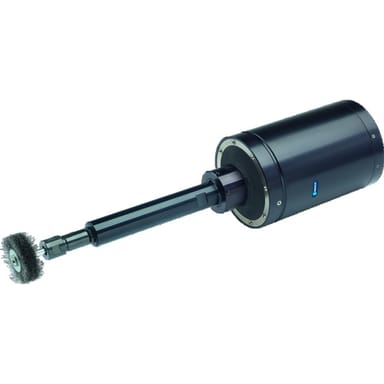
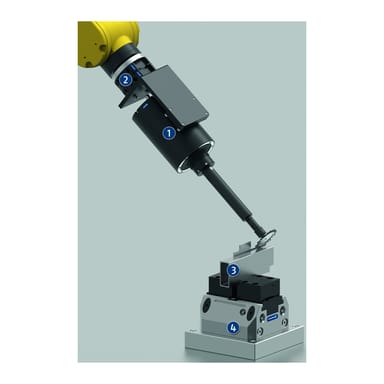
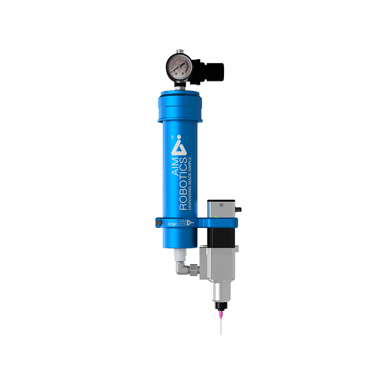
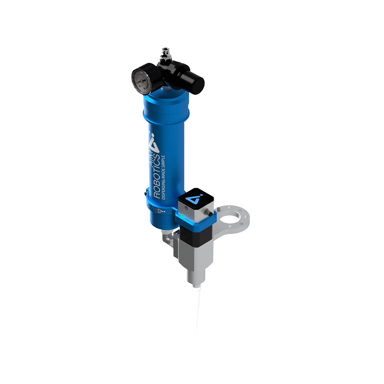
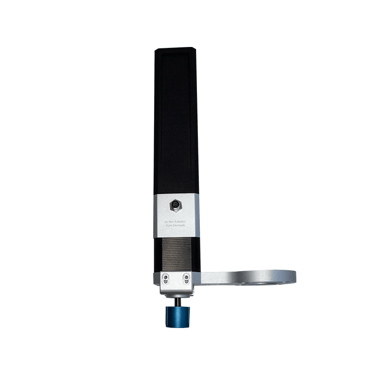
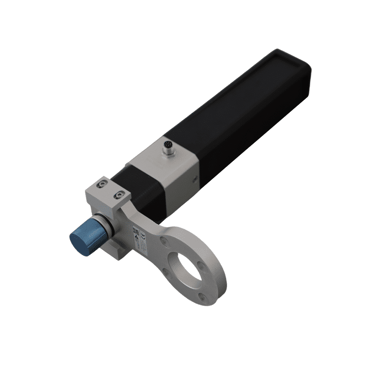
End-of-arm tools for robots: the right solution for machining, assembly, and automation
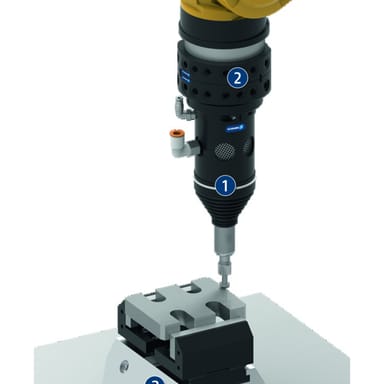
End-of-arm tools are a central component of modern robotics and automation technology. They are mounted at the end of a robot arm, where they perform the actual task in the process. While the robot handles movement, positioning, and repeatability, the end-of-arm tool performs the specific application. These include, for example, grinders, screwdrivers, and other tools for machining, assembly, or process-specific tasks.
In practice, end-of-arm tools for robots are what turn a robotic system into a functional solution. Without the right tool, a robot can perform movements but cannot carry out a specific task. It is only through the combination of a robot and the appropriate tool mounted on the robot arm that powerful automation solutions for industry, mechanical engineering, and manufacturing are created.
What is an end-of-arm tool?
An end-of-arm tool is a tool that is attached directly to a robot’s flange and performs a specific function there. It falls under the category of end-of-arm or end-of-arm tooling and serves as the interface between the robot and the machining or process task.
Unlike traditional grippers, which are primarily used to pick up and move workpieces, end-of-arm tools are used when the robot is required to actively work or perform a task. This can be a screwdriving operation, a grinding process, or another mechanical task. This is precisely why these tools are particularly important for applications in which robots are not only meant to handle objects but also to contribute productively to the process.
What types of end-of-arm tools are available?
The category of end-of-arm tools encompasses various tools that are mounted directly on the robot, depending on the application. Particularly common examples include grinders and screwdrivers, but other specialized tools also fall into this category.
Grinders for Robots
Grinders are used as end-of-arm tools when surfaces need to be machined, edges deburred, or workpieces finished. In automated processes, robot-assisted grinding solutions ensure consistent results, high repeatability, and constant process quality.
A grinding tool for robots is particularly useful when manual grinding processes need to be standardized and automated. Especially when dealing with identical components or recurring machining steps, a robot equipped with a sander can help make processes more efficient and reproducible.
Screwdrivers for Robots
Screwdrivers and other fastening tools are also among the typical end-of-arm tools used in automation. They are primarily used in assembly processes when screw connections need to be tightened automatically and with precision.
A screwdriver mounted on a robot can help standardize screwdriving processes, improve cycle times, and ensure consistent quality in assembly. Such a tool is a particularly sensible solution in mass production, in assembly cells, or for recurring screwdriving tasks.
Why are end-of-arm tools so important?
End-of-arm tools are so important because they determine the actual function of the robot in the application. Only with the right tool does a robot become a solution for grinding, screwing, or other machining steps. The tool is therefore not just an accessory, but a crucial part of the entire automation solution.
A suitable end-of-arm tool for robotics ensures that processes can be executed precisely, repeatably, and efficiently. At the same time, it helps reduce manual steps, improve process quality, and integrate robots flexibly into various applications.
Advantages of End-of-Arm Tools in Automation
The use of end-of-arm tools offers many advantages in automated processes. They particularly demonstrate their strengths where processing steps must be standardized, repeated, or performed with high precision.
Typical advantages include:
- Targeted automation of processing and assembly processes
- High repeatability
- Consistent process quality
- Flexible integration into robotic systems
- Reduced manual labor
- Improved scalability of automated processes
Especially when combined with a suitable robot and a precisely coordinated process design, this results in high-performance solutions for industrial automation.
Typical Applications for End-of-Arm Tools
End-of-arm tools are used in many areas of industrial manufacturing and automation. Typical applications include assembly processes, machining steps, finishing, or other tasks in which the robot actively interacts with the workpiece.
Common areas of application include, for example:
- automated grinding
- deburring and surface finishing
- screwdriving processes in assembly
- machining tasks in manufacturing cells
- standardized process steps in production
Depending on the application, different tools can be used. It is always crucial that the end-of-arm tool is precisely matched to the process, the workpiece, and the robot system.
End-of-arm tools make robots more versatile
A major advantage of end-of-arm tools is that they make robots significantly more versatile. With them, a robot can not only grip or move objects but also perform specific machining and assembly tasks. This significantly expands the range of possible applications in automation.
This is particularly interesting in flexible production environments because it allows robot systems to be used for a variety of applications. In combination with suitable interfaces or tool changers, a robot can even use multiple tools and thus handle different process steps within a single system.
What’s Important When Selecting an End-of-Arm Tool
When selecting the right end-of-arm tool, you should first and foremost consider the requirements of your application. Key factors include the type of process, the required precision, the workpiece, the cycle time, and the mechanical and functional integration into the robot system.
Factors such as weight, installation space, power supply, interfaces, and compatibility with other end-of-arm accessories also play a significant role. Only when the tool, robot, and application are perfectly matched can an efficient and reliable solution be achieved.
Find the Right End-of-Arm Tool for Your Application
In this category, you’ll find end-of-arm tools for various applications in robotics, assembly, and industrial automation. Whether it’s a grinder, screwdriver, or other tools for machining and process tasks, the right end-of-arm tool turns your robot into a flexible and high-performance solution for modern automation.
Find your automation solution now with our configurator
