

Marketplace
-
€-
%-
kg-
Dispensers
Dispensing technology for robots enables the precise, uniform, and repeatable application of materials in automated processes. Dispensers and dispensing systems are mounted directly on the robot and are used for bonding, sealing, potting, and other dispensing tasks, among others. In this category, you’ll find dispensing technology for flexible, precise, and efficient applications in robotics and automation.
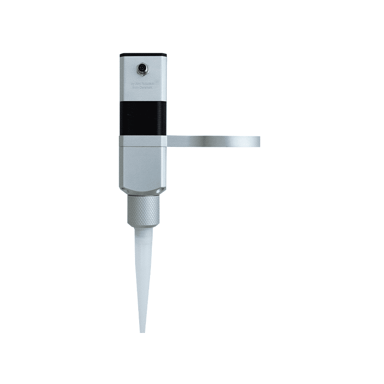
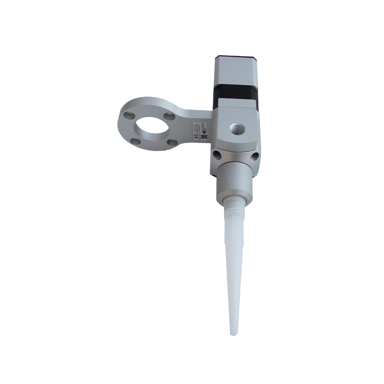
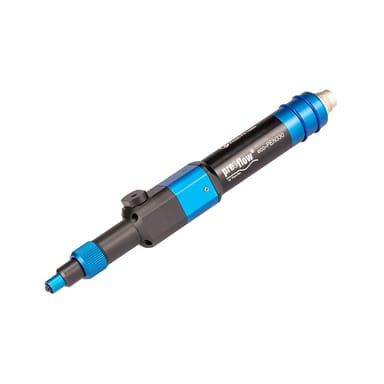
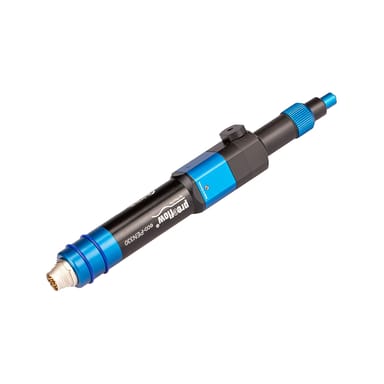
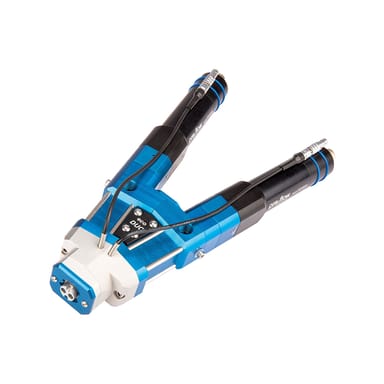
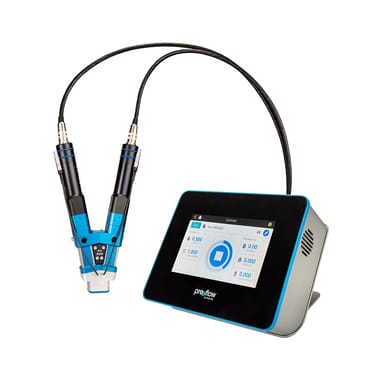
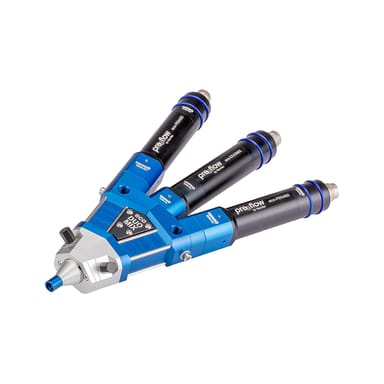
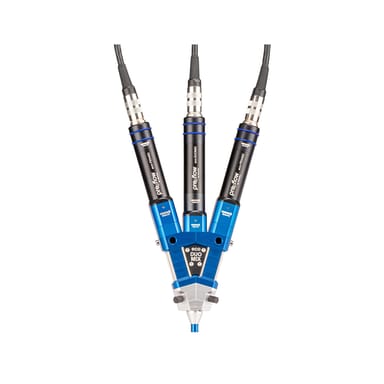
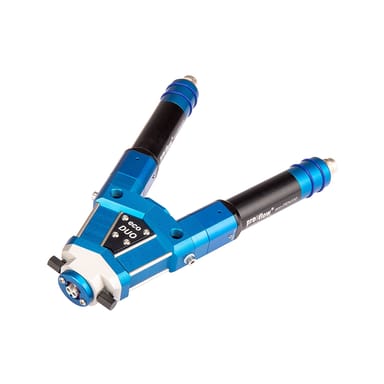
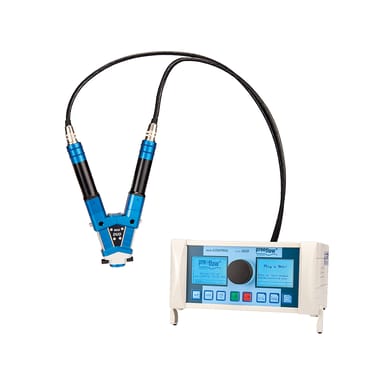
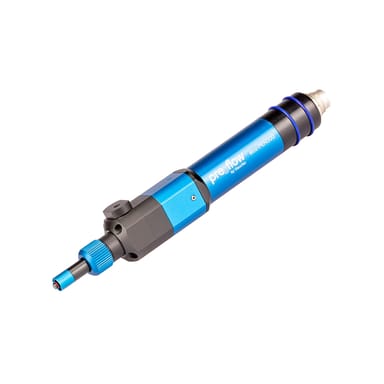
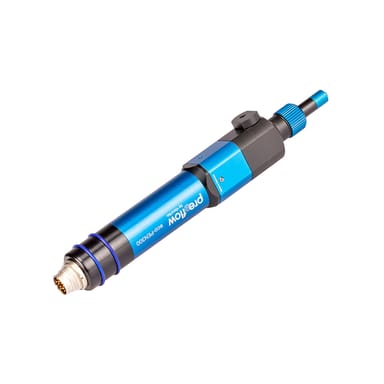
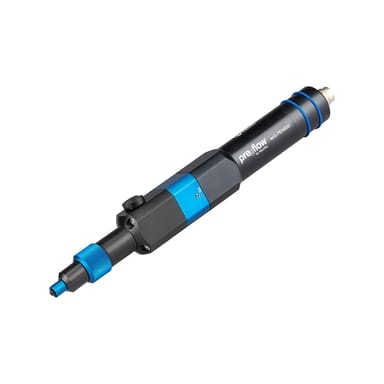
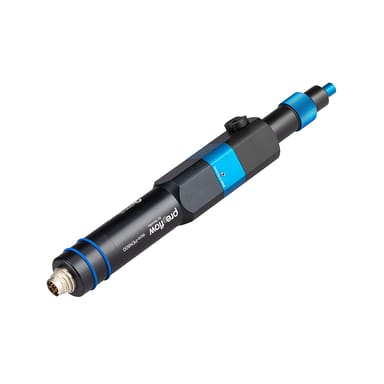
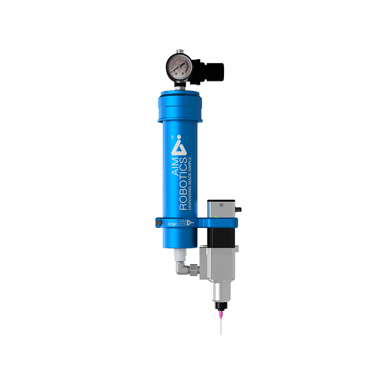
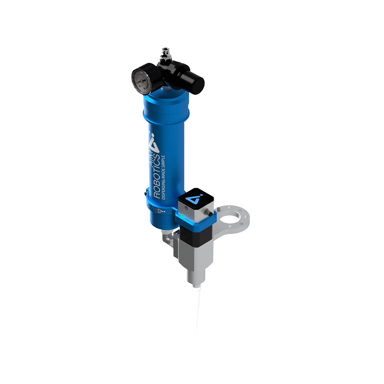
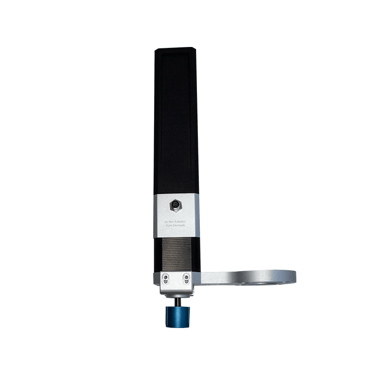
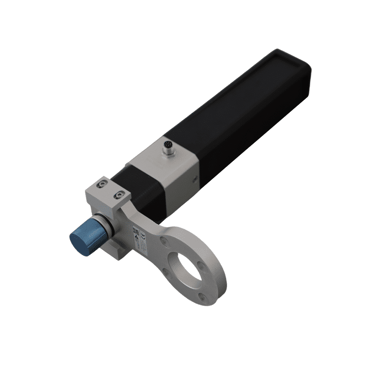
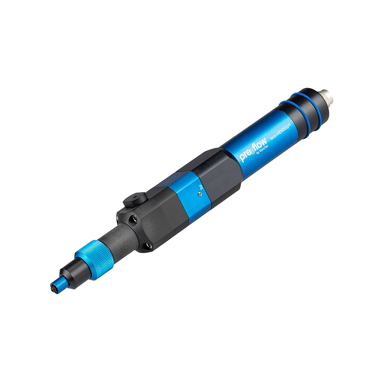
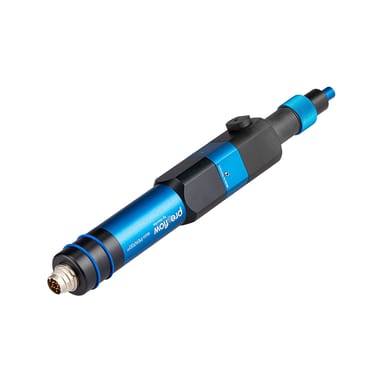
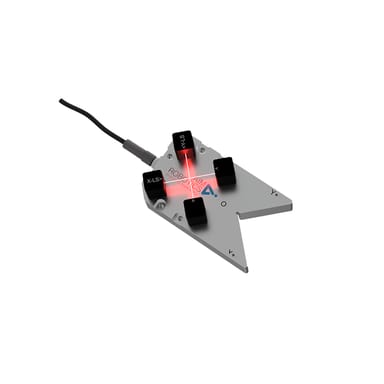
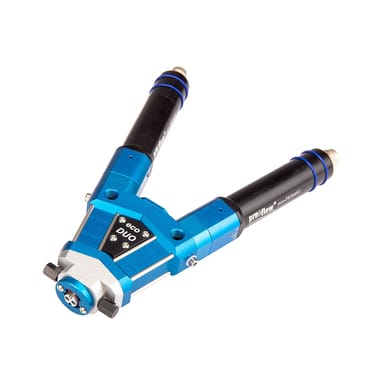
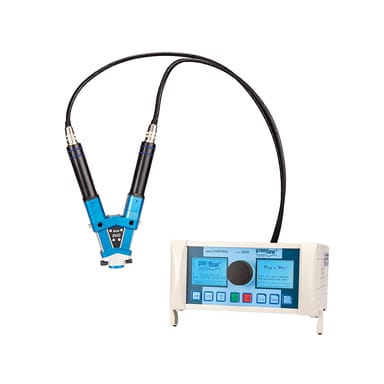
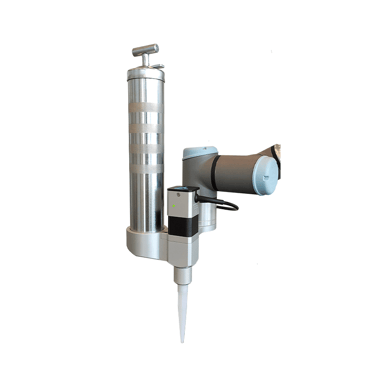
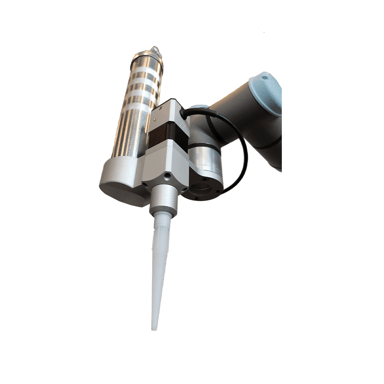
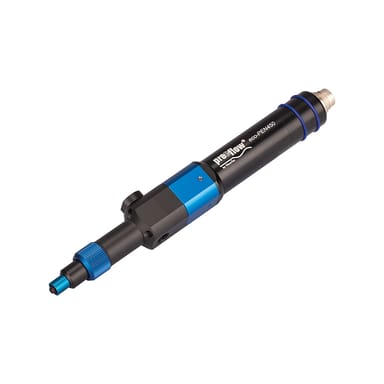
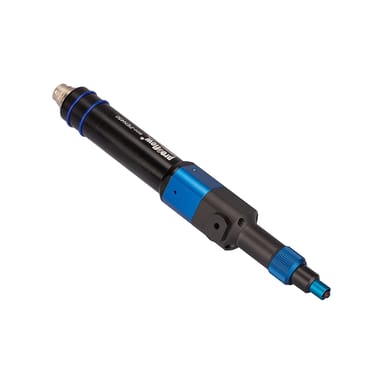
Dispensing Technology for Robots: Precision Dispensers for Automated Adhesive, Sealing, and Dispensing Processes
Dispensing technology is a central component of modern robotics and automation when liquid, paste-like, or other processable materials need to be applied with precision and repeatability. In industrial processes, dispensers, dosing systems, and robot-compatible application units—which can be mounted directly on the robot—are frequently used for this purpose. This allows the robot to be used not only for gripping or moving objects, but also for demanding process steps such as bonding, sealing, potting, or the targeted application of materials.
Dosing technology for robots plays a particularly important role in industrial manufacturing because many applications require uniform material dispensing, high precision, and consistent process quality. The robot handles the precise movement and positioning, while the dispensing system controls and delivers the medium in a reproducible manner. This makes robot-assisted dispensing technology particularly attractive for companies seeking to standardize, automate, and ensure the quality of their processes.
What is dispensing technology?
Dosing technology refers to systems and components that enable media to be dispensed in defined quantities and at precisely specified positions. In automation, the goal is not merely to apply material, but to do so as precisely, uniformly, and reliably as possible. Depending on the application, this can involve spot dosing, line application, web application, or area application.
If a dispenser is mounted directly on a robot, it falls under the category of end-of-arm tools. The robot guides the tool along the programmed path, while the dispensing technology ensures that the material is applied in the desired quantity and with the required precision. This results in automated dispensing processes that can be easily standardized and reproduced.
What roles does dispensing technology play in automation?
Dispensing technology for robots is used wherever materials need to be applied or introduced with precision. Typical applications include:
- Bonding
- Sealing
- Potting
- Precision dispensing
- Line and bead application
- Application of functional materials in assembly and manufacturing
In many cases, the accuracy of the dispensing process directly determines the quality of the end product. This is why the combination of a robot and a dispenser is so appealing: it combines precise motion control with controlled material dispensing, thereby laying the foundation for stable, automated processes.
Dispensers as End-of-Arm Tools on Robots
A dispenser for robots is a typical end-of-arm tool because it is mounted directly on the robot arm and performs a specific process task there. Instead of merely handling workpieces, a robot equipped with a dispenser can actively apply material and thus perform a processing or assembly step.
This significantly expands the range of applications for robots. A robot with the appropriate dispensing technology can not only position and move objects but also apply materials with precision, execute processes with repeatable accuracy, and deliver consistent results. This is a major advantage, especially in modern manufacturing environments, because it allows manual dispensing processes to be efficiently automated.
Why is robot-assisted dispensing technology so interesting?
The major advantage of robot-assisted dispensing technology lies in the combination of precision, repeatability, and flexibility.
Manual dispensing processes are often heavily dependent on the person performing them. Differences in speed, application volume, or path guidance can lead to inconsistent results. A robot equipped with a suitable dispensing system, on the other hand, operates with a high degree of consistency and can perform the same process identically time and time again.
This is particularly important in applications where clean application patterns, defined material quantities, and stable quality standards are required. At the same time, paths, application patterns, and process parameters can be flexibly adjusted. As a result, dispensing technology in robotics can be beneficial for both standardized series production processes and applications with a wider variety of variations.
Typical Areas of Application for Dispensing Technology
Dispensing technology is used in many areas of industrial automation. It is particularly common in applications where materials must be processed with precision and repeatability. Typical application areas include:
- Adhesive application processes in assembly
- Sealing processes in mechanical engineering and manufacturing
- Potting applications
- Application of materials in electronics manufacturing
- Dispensing tasks in automated production cells
- Web and spot dispensing in serial production processes
Depending on the application, the dispensing task can vary greatly. Some processes require fine, precise dispensing, while others require uniform beads or defined material paths. This is precisely why selecting the right dispensing technology for robots is so important.
Advantages of Dispensing Technology on Robots
Automated dispensing technology offers many advantages for industrial applications. It improves reproducibility, reduces process variations, and ensures consistent quality in manufacturing.
Typical advantages of dispensers and dispensing systems for robots include:
- precise and controlled material application
- high repeatability
- consistent dispensing results
- flexible programming of application paths
- improved process quality
- fewer deviations compared to manual processes
- efficient integration into automated manufacturing processes
Especially in applications with high quality requirements or high production volumes, dispensing technology in automation is therefore a key component for cost-effective and stable processes.
What materials can be processed using dispensing technology?
Depending on the system and application, dispensing technology is used for various materials. Typical examples include, above all, liquid or paste-like substances that must be applied precisely in a defined quantity. Which media are processed depends on the dispenser used, the dispensing principle, and the specific process requirements.
It is always important that the dispensing system, the medium, and the robotic process are precisely coordinated. Only then can the material be reliably processed and applied uniformly. This is precisely why the selection of the appropriate dispensing technology should always be based on the specific application.
Dosing Technology as a Key Component of Modern Automation
In many automation solutions, dosing technology is far more than just an additional tool. It is a direct part of the value-added process because it determines how precisely and to what quality standard a material is applied. The robot handles path guidance, while the dosing technology ensures controlled material dispensing—only together do they create a high-performance automated process.
This field is becoming increasingly important, particularly in modern robotics, as companies are increasingly relying on standardized, scalable, and consistently high-quality processes. A robot-assisted dispensing system can help make manufacturing processes more efficient while simultaneously increasing process reliability.
What Matters When Selecting Dispensing Technology
When selecting the right dispensing technology for robots, you should always keep the specific application in mind. Key factors include the material, the desired application volume, the application pattern, the cycle time, and the requirements for precision and repeatability. Integration into the robot system, the available installation space, and the process environment also play an important role.
Not every dispensing system is suitable for every application. That’s why it’s important to select dispensing technology that harmonizes optimally with the material, process, and robot. Only then can you create a solution that functions reliably in everyday industrial operations.
Find the Right Dispensing Technology for Your Application
In this category, you’ll find dispensing technology, dispensers, and robot-compatible dispensing systems for various applications in robotics, automation, and industrial manufacturing. Whether for bonding, sealing, potting, or other dispensing tasks, the right dispensing technology for robots helps you apply materials precisely, reproducibly, and efficiently through automation.
Find your automation solution now with our configurator
