

Marketplace
-
€Safety Solutions
Safety technology is a central component of modern automation and protects people, machines, and processes in industrial applications. This includes, among other things, light grids, light curtains, safety sensors, and process interlocks, which ensure safe, standards-compliant, and efficient operations. In this category, you’ll find safety technology for robotics, mechanical engineering, and industrial automation.
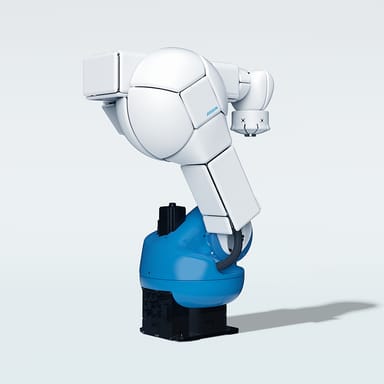
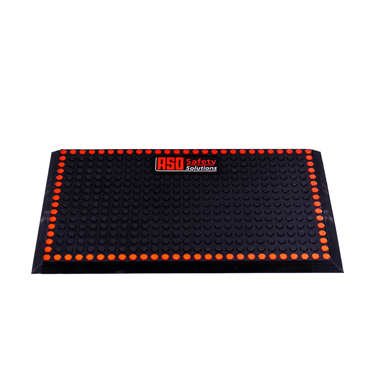
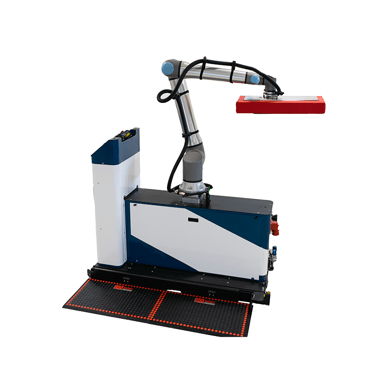
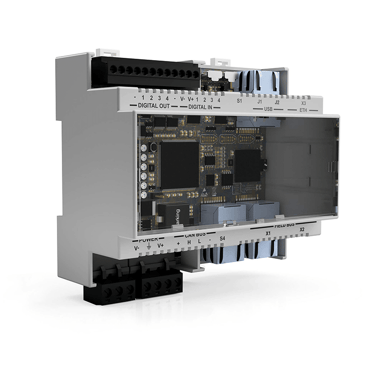
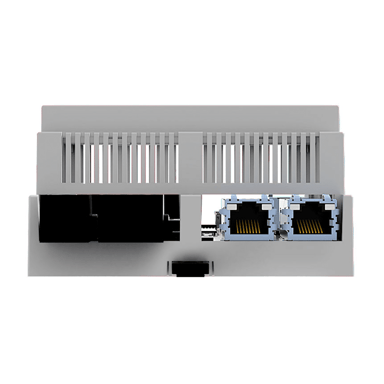
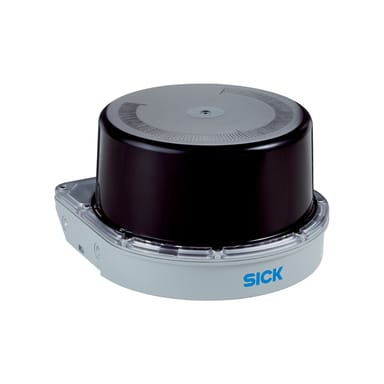
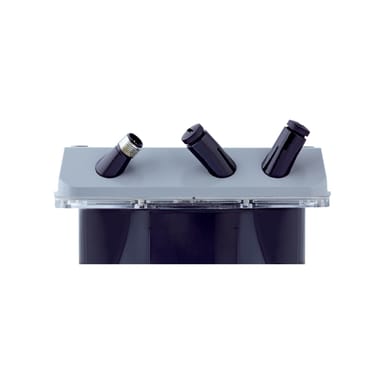
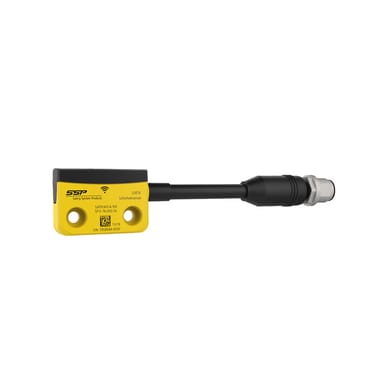
Safety Technology for Robotics and Automation: Protection for People, Machines, and Processes
Safety technology is an indispensable component of modern automation, mechanical engineering, and robotics. Wherever machines, robots, and automated systems are in use, people must be protected, hazardous areas must be secured, and processes must be reliably monitored. This is precisely where industrial safety technology comes into play. It ensures that automation can be implemented not only efficiently but also safely and in a controlled manner.
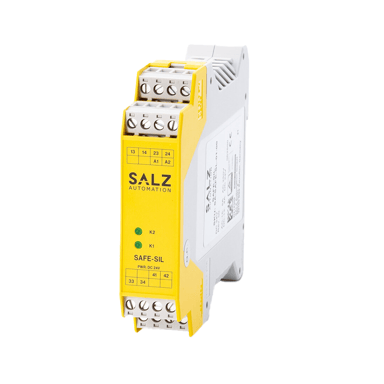
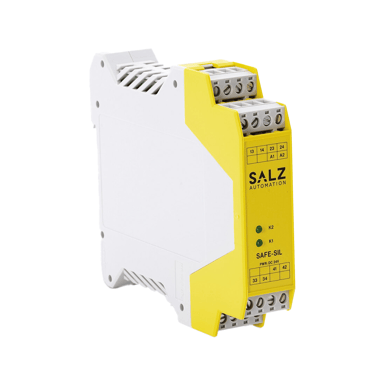
Safety technology encompasses various components and systems that monitor machine status, secure access points, or control hazardous movements. These include, among others, light grids, light curtains, various safety sensors, and process interlocks. Together, they form the foundation for safe and standards-compliant automation solutions in production, manufacturing, and industrial processes.
What is safety technology?
Safety technology refers to all technical components and systems used in industrial applications to protect people, machines, and processes from hazards. In automated environments, this involves not only traditional personal protection but also the safeguarding of movement zones, access points, doors, protective devices, and machine statuses.
Modern industrial safety technology is therefore much more than just an add-on to the system. It is an integral part of the overall concept and helps minimize risks, safeguard processes, and enable reliable operation. A suitable safety solution is crucial, especially in automated systems with robots, conveyor technology, or moving machine parts.
Why is safety technology so important in automation?
In automation technology, machines and robot systems often operate at high speeds, with high forces, and involve complex motion sequences. Without the appropriate safety technology, hazardous areas could be inadequately protected, or machines might fail to respond in a controlled manner during critical situations. This is precisely why safety technology is a fundamental component of every professional automation solution.
At the same time, safety technology not only helps protect people but also contributes to the stability and reliability of processes. Well-coordinated safety components help detect unintended conditions early on, control access, and safely monitor machine movements. This results in a solution that combines safety and productivity.
Which products fall under safety technology?
The safety technology category encompasses various components that perform different protective functions depending on the application. Particularly typical examples include light grids, light curtains, safety sensors, and process interlocks.
Light grids and light curtains
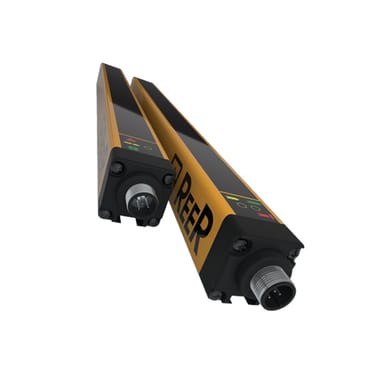
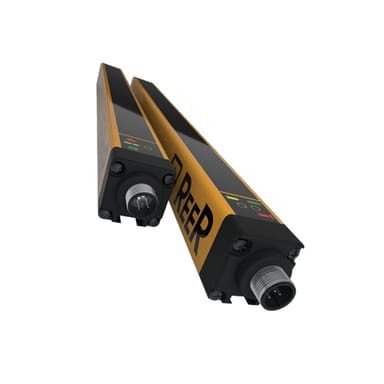
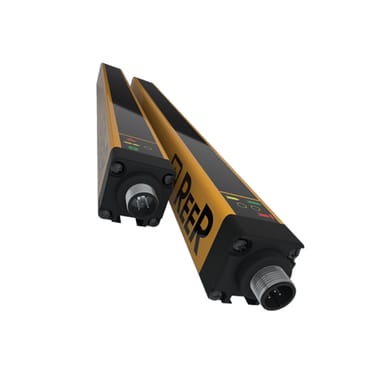
Light grids and light curtains are among the most important solutions in industrial safety technology. They provide non-contact protection for access points, hazardous areas, or points of intervention and detect when a person or object enters a monitored area. This allows machine movements to be stopped or safely monitored without the need for physical barriers to permanently block access.
Light grids and light curtains are particularly relevant in automated systems where material must be fed in, parts removed, or processes monitored. They combine safety with good accessibility and are therefore standard in many machine and robotics applications.
Safety Sensors
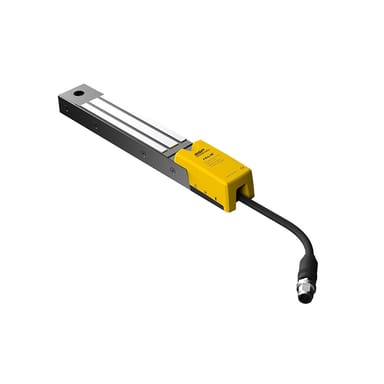
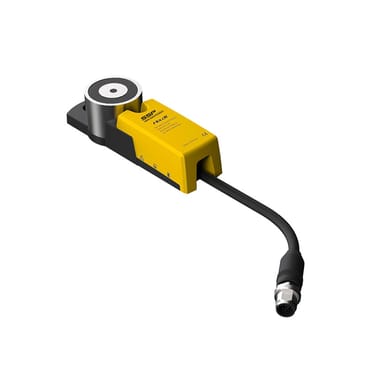
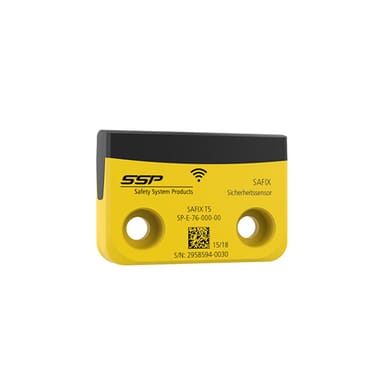
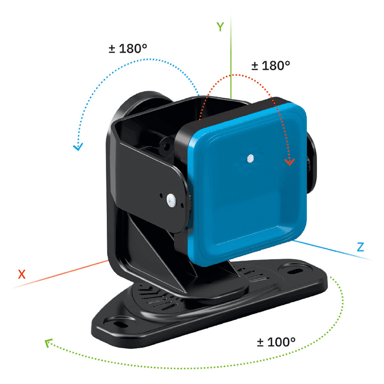
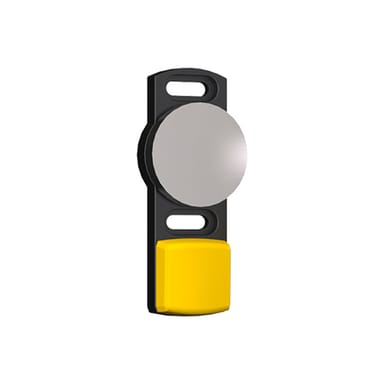
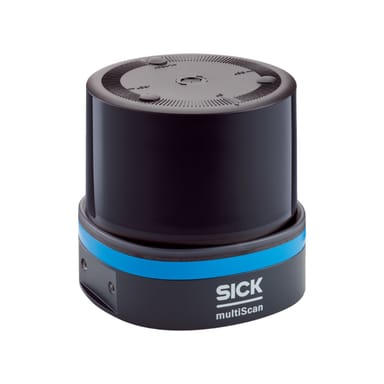
Safety sensors perform various monitoring tasks in automation. They detect states, positions, or movements and ensure that safety-related signals are reliably detected and processed. Depending on the application, they can, for example, monitor doors, flaps, positions, or process states.
Such safety sensors are essential wherever machine states must be monitored and safe operations ensured.
They complement other safety components and help ensure that systems can only be operated under defined conditions.
Process Interlocks
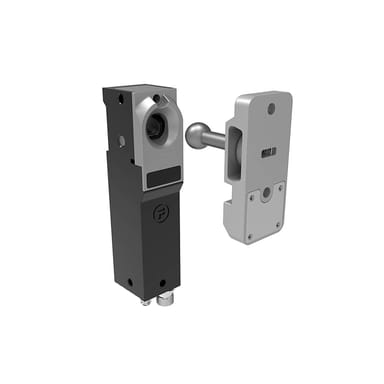
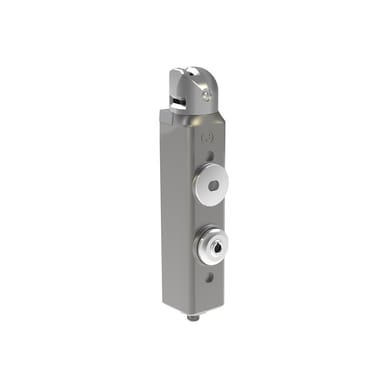
Process interlocks are another important component of industrial safety technology. They ensure that protective devices, doors, or access points remain securely closed and locked during certain process states. This is particularly important when a process must first be completed before safe access is possible.
In automated systems, process interlocks help to control access to hazardous areas while simultaneously safeguarding the process sequence. They therefore play a central role wherever safety and process requirements are closely interlinked.
Safety Technology in Robotics and Mechanical Engineering
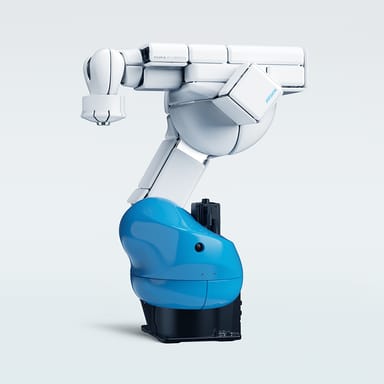
In robotics and mechanical engineering, safety technology is particularly important because these fields often involve a combination of dynamic movements, automated processes, and complex plant designs. Robot cells, production lines, conveyor systems, and machining stations must be designed in such a way that people are protected while processes can be operated efficiently.
This is precisely where light grids, light curtains, safety sensors, and process interlocks come into play. They help secure hazardous areas, monitor interventions, and establish safe conditions within the system. As a result, safety technology for robotics and automation is a central component of reliable industrial operations.
Advantages of Modern Safety Technology
Modern safety technology not only provides protection but also supports efficient and structured plant planning. Properly selected safety components help reduce hazards while ensuring the operability and availability of machines.
Typical advantages include:
- Protection of people in automated environments
- Securing hazardous areas and access points
- Monitoring of safety-critical conditions
- Controlled enablement and interlocking of processes
- Better integration of safety into robotics and mechanical engineering
- Support for standards-compliant and reliable automation solutions
Especially in modern production environments, appropriate safety technology is a key factor for stable and cost-effective operation.
What’s Important When Selecting Safety Technology
When selecting the right safety technology, you should always consider the specific application and the potential hazards of the system. The key factors are which areas need to be protected, how people interact with the machine, and what the process requirements are. Depending on the application, a solution using a light grid, light curtain, safety sensor, or process interlock may be appropriate.
It is also important that the safety components are seamlessly integrated into the overall system. Only when the safety function, machine behavior, and process sequence are coordinated can a reliable and practical safety solution for industrial automation be achieved.
Find the Right Safety Technology for Your Application
In this category, you’ll find safety technology for various applications in robotics, mechanical engineering, and industrial automation. Whether it’s light grids, light curtains, safety sensors, or process interlocks: the right safety solution helps you reliably protect people, machines, and processes and implement automation safely.
Find your automation solution now with our configurator
