

Marketplace
-
kg-
mm-
€-
kg-
m/sCobot
Cobots, also known as collaborative robots, are robots equipped with integrated safety components that enable them to work alongside and with humans. Cobots are highly versatile and are used in fields such as research, as well as in industry and logistics. With payloads of up to 30 kg, many tasks can be automated. Especially in small and medium-sized enterprises, the potential productivity gains and the reduction in employee workload achieved through modern robotics are enormous.
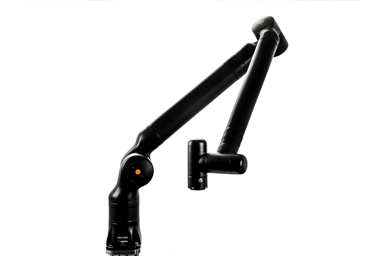
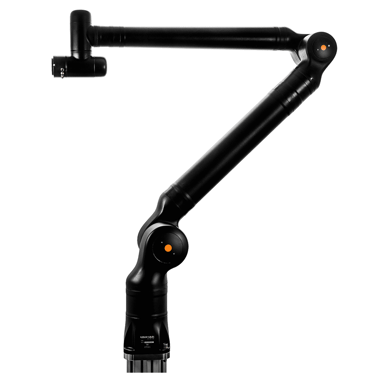
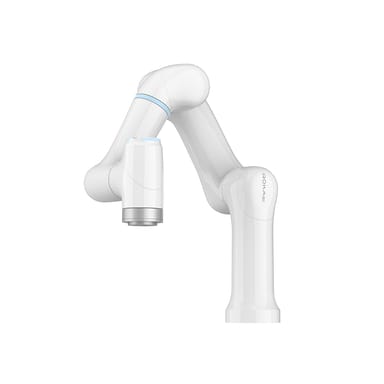
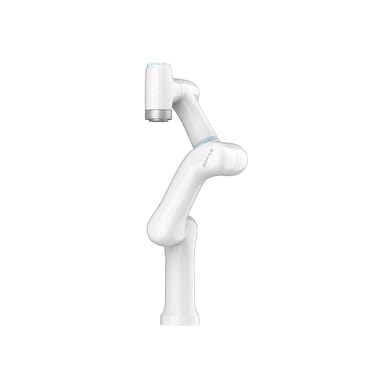
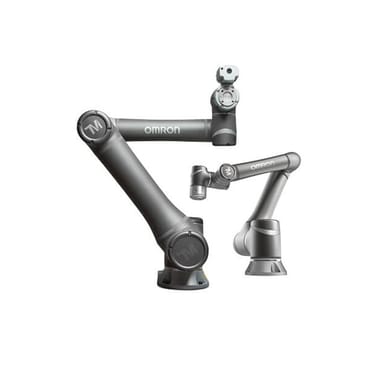
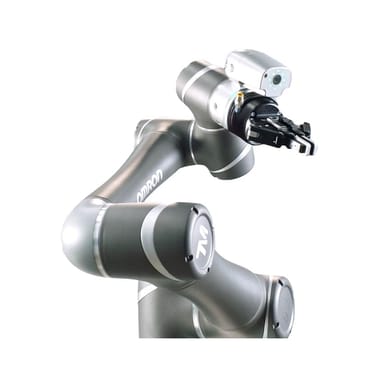
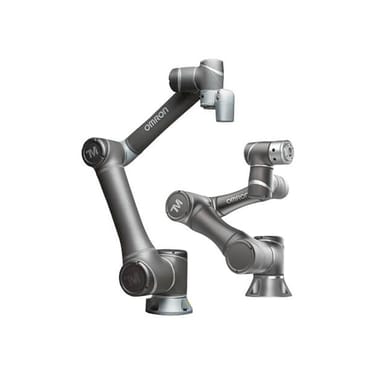
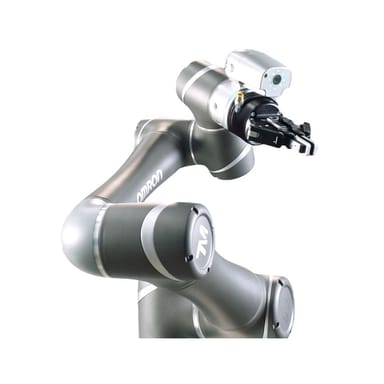
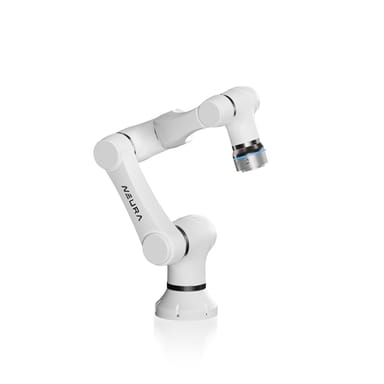
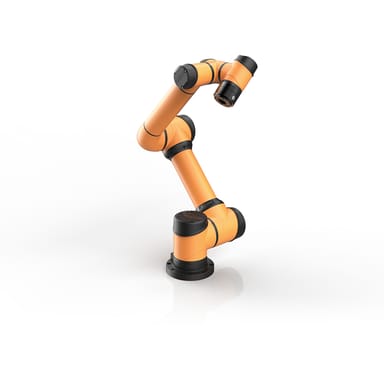
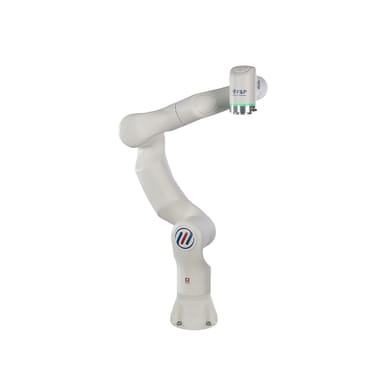
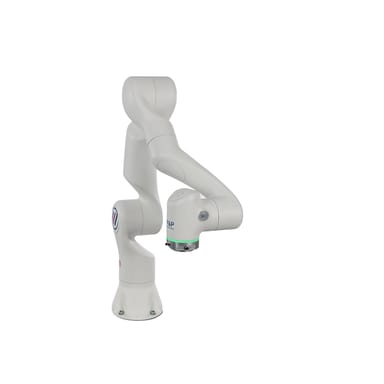
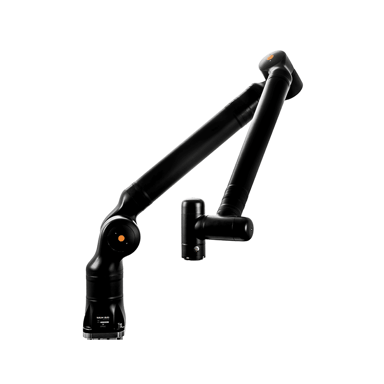
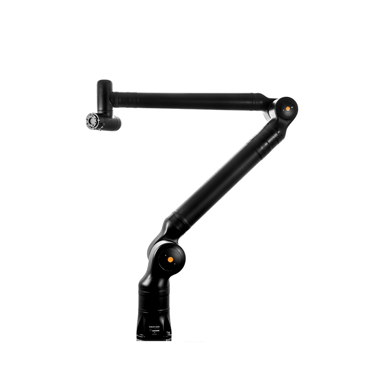
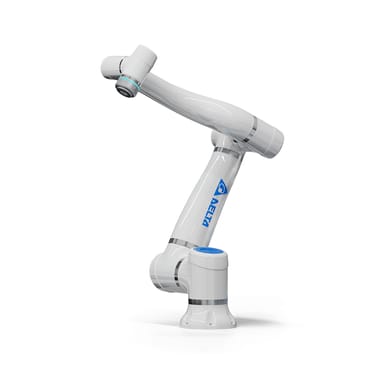
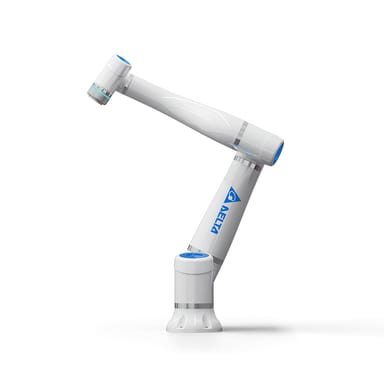
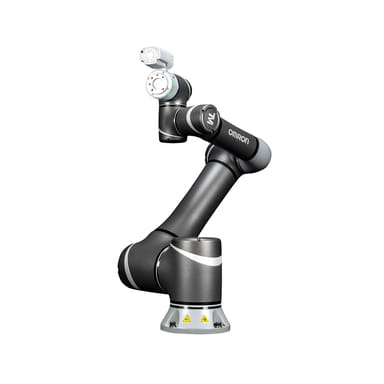
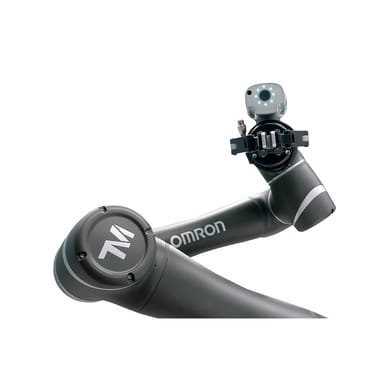
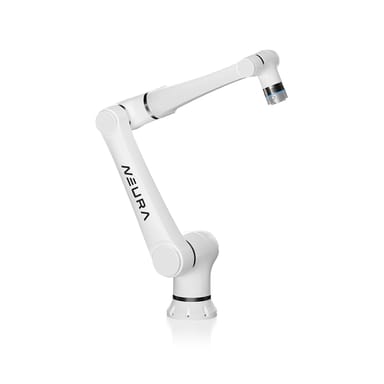
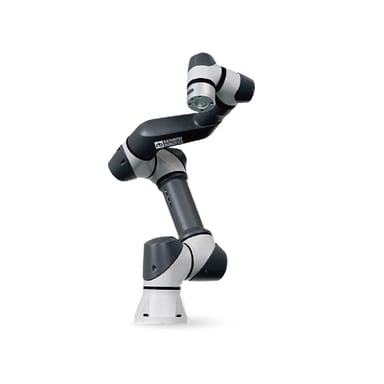
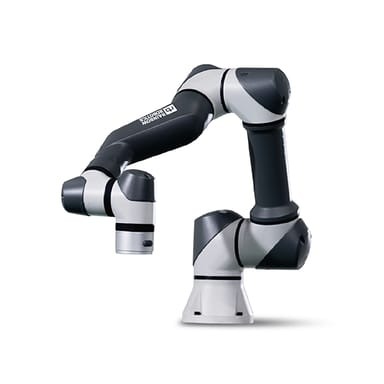
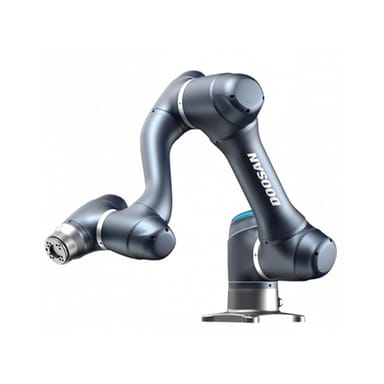
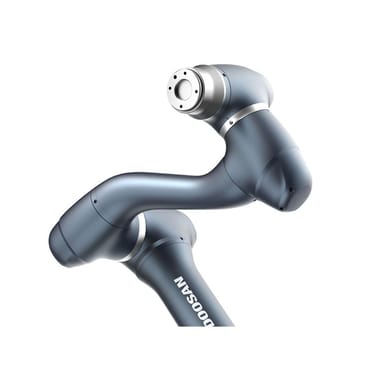
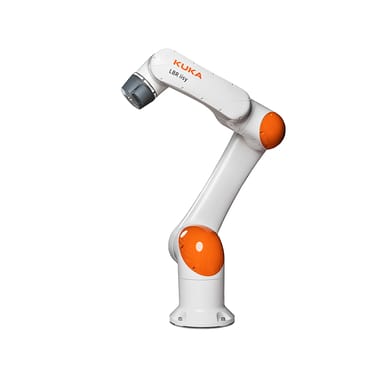
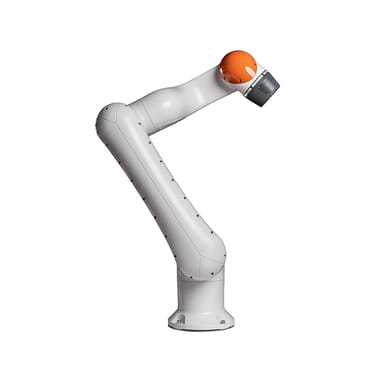
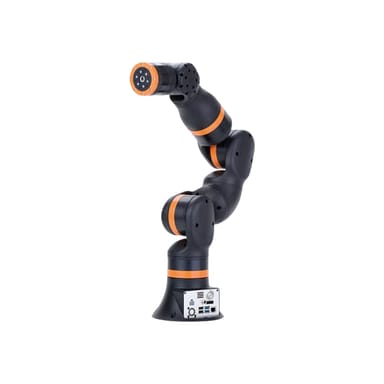
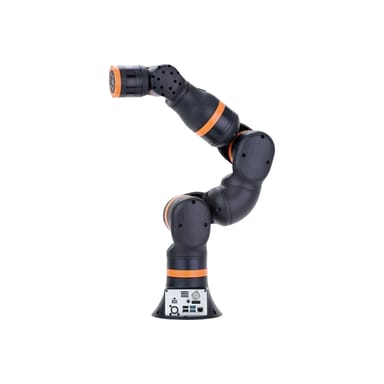
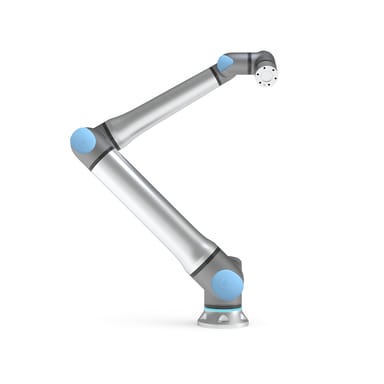
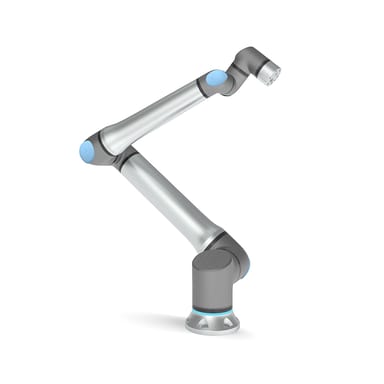
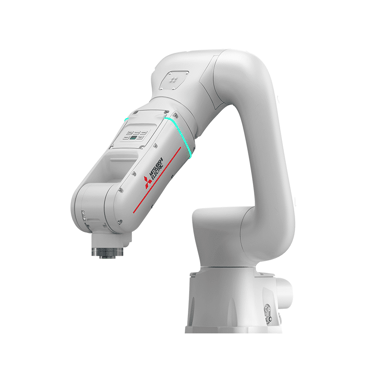
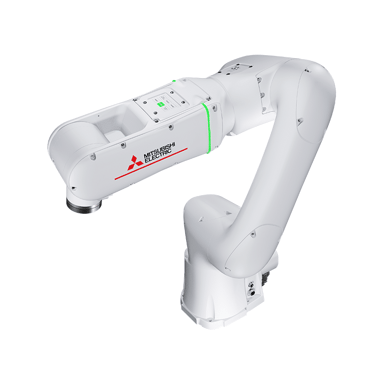
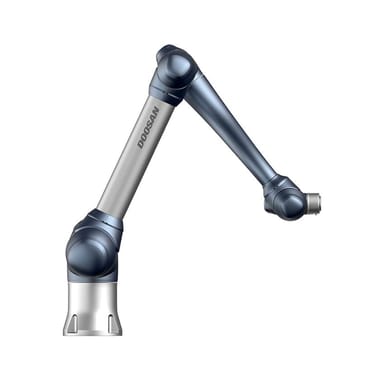
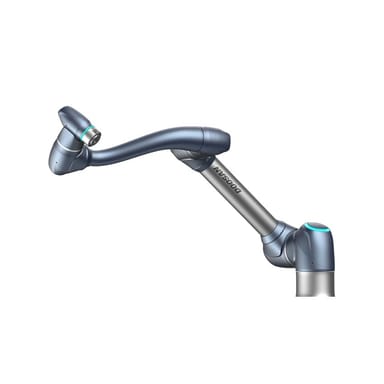
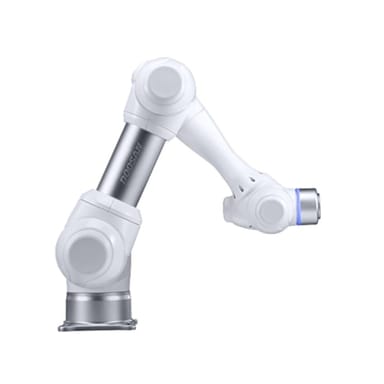
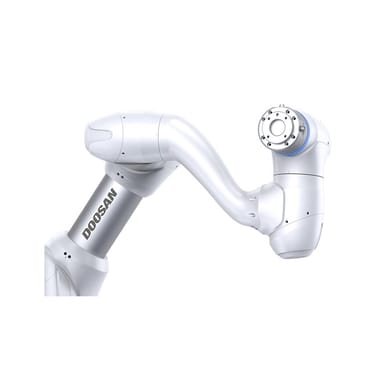
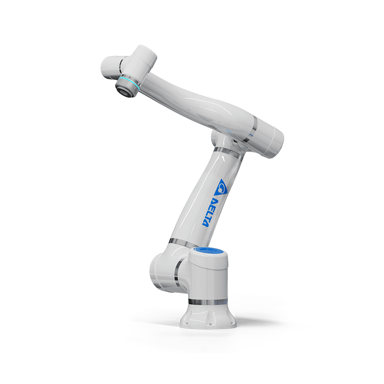
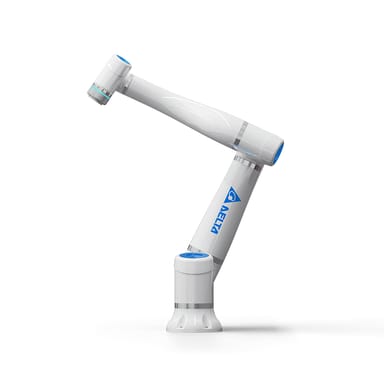
Cobot: Collaborative Robots for Flexible Automation
A cobot is a collaborative robot designed for close cooperation with humans in automation. Compared to traditional industrial robots, cobots emphasize easy integration, flexible applications, and user-friendly operation. That is why they play an important role in many companies when processes need to be automated without relying directly on complex or particularly large robot systems.
Cobots are used today in numerous areas of robotics and automation technology. Typical applications include assembly processes, pick-and-place, machine loading, packaging, palletizing, quality control, and inspection tasks. Thanks to their compact design and flexible programming, collaborative robots are particularly well-suited for production environments where processes need to be made more efficient, ergonomic, and adaptable.
What is a cobot?
The term “cobot” stands for “collaborative robot.” It refers to a robot designed to work alongside humans in suitable applications. The focus is not only on precision and repeatability but also on ease of use, a compact design, and flexible deployment in varying processes.
A cobot is thus a particularly accessible form of industrial or lightweight robot. Many companies rely on cobots because they can make automation economically viable even in areas where traditional robotics would previously have been too costly or inflexible. Collaborative robots offer significant potential, particularly for smaller batch sizes, frequent product changes, and manual workstations with repetitive tasks.
What makes collaborative robots special?
The major difference from many traditional robots lies in their design for flexible application scenarios. Cobots are often easier to program, typically require less complex peripherals, and can be integrated into existing processes relatively quickly. This makes them particularly appealing to companies that want to automate gradually or make individual workstations more efficient.
At the same time, “collaborative” does not automatically mean that a cobot can always be used without additional safety measures. The form of collaboration possible always depends on the specific application, the risk assessment, and the overall system. Nevertheless, collaborative robots excel precisely where flexibility, easy commissioning, and versatile application options are required.
Cobots with different payloads
An important distinguishing feature of a cobot is its payload capacity. Depending on the model, collaborative robots are available for light, medium, or heavy payload ranges. The appropriate payload capacity is crucial because it determines which workpieces, tools, or grippers the robot can move reliably.
Cobots with low payload capacities are particularly suitable for small components, electronics, laboratory applications, or precision assembly processes. They are often compact, fast, and designed for precise movements. Models with medium or higher payloads, on the other hand, are more commonly used for larger workpieces, heavier grippers, packaging tasks, or palletizing applications. The rule of thumb is: the higher the payload, the more robust and versatile the cobot can be in certain applications—but at the same time, space requirements, weight, and process design demands often increase as well.
5-axis, 6-axis, and 7-axis cobots
In addition to payload, the number of axes also plays an important role. It determines how mobile a cobot is and how well it can reach specific positions or orientations. In practice, you’ll primarily find 5-axis, 6-axis, and, in some cases, 7-axis cobots.
5-axis cobots
5-axis cobots are usually somewhat simpler in design and can be a cost-effective solution for certain applications. They are well-suited for tasks that do not require highly complex orientation of the workpiece. These include, for example, simple pick-and-place processes, feeding operations, or repetitive handling tasks with clear motion sequences.
The advantage of 5-axis cobots often lies in a somewhat simpler system design and their suitability for standardized applications. A disadvantage is the reduced range of motion compared to models with more axes. When workpieces need to be aligned very flexibly, obstacles need to be navigated around, or complex installation positions need to be reached, 5 axes reach their limits more quickly.
6-axis cobots
6-axis cobots are now the standard in many applications. They offer high mobility and are suitable for a wide range of automation tasks. With six axes, workpieces can generally be gripped, rotated, aligned, and positioned with great flexibility. This is why 6-axis collaborative robots are particularly common in assembly, machine loading, handling, screwdriving applications, and quality inspections.
The major advantage lies in their versatility. A 6-axis cobot covers many typical requirements in industrial automation and often represents a good compromise between flexibility, complexity, and cost-effectiveness. Compared to 5-axis models, it offers more degrees of freedom but is, in some cases, somewhat more demanding in terms of selection, integration, and motion planning.
7-axis cobots
7-axis cobots have an additional degree of freedom, offering even greater mobility. This can be particularly advantageous when the robot needs to work in confined spaces, maneuver with exceptional flexibility, or perform complex movements in a manner closely mimicking human motion. In demanding applications, the additional axis can help achieve better accessibility and greater freedom in path planning.
The advantage of a 7-axis cobot is thus maximum flexibility in movement. This is particularly useful for complex assembly tasks, hard-to-reach work areas, or applications with many spatial constraints. At the same time, such systems often have a more specialized design and are not necessary for every standard application. For many classic automation tasks, a 6-axis cobot is already perfectly sufficient.
Advantages of Cobots in Automation
Cobots are particularly popular because they offer companies a relatively easy entry point into robotics. They can often be deployed flexibly, take over monotonous or ergonomically unfavorable tasks, and help standardize processes. Collaborative robots offer clear advantages, especially in environments with frequently changing requirements or smaller production runs.
Typical strengths of cobots include:
- flexible application possibilities
- easy integration into existing processes
- well-suited for changing tasks
- compact design
- support for ergonomically demanding activities
- automation even for smaller batch sizes
For which applications is a cobot suitable?
A cobot is suitable for many tasks where repeatability, process stability, and flexibility are required. Collaborative robots are particularly frequently used in assembly, parts handling, pick-and-place applications, machine loading, inspection processes, or packaging. Cobots can also be a suitable solution for screwdriving processes, adhesive applications, or laboratory tasks.
Which model is best suited always depends on several factors. In addition to payload and the number of axes, reach, cycle time, installation situation, tool weight, and the specific application also play an important role. That’s why it’s always worth taking a close look at the requirements of the respective process when making a selection.
Buying a cobot: the right solution for your automation
When you want to buy a cobot, it’s not just about the robot itself, but the interplay of payload, number of axes, reach, and specific application. A suitable collaborative robot can make processes significantly more efficient, reduce the workload on employees, and give you more flexibility in production.
In this category, you’ll find cobots for various automation and robotics needs. Whether for simple handling tasks, flexible assembly processes, or more complex applications with high demands on mobility and precision: the right cobot is a key component on the path to more efficient and future-proof processes.
Find your automation solution now with our configurator
