

Marketplace
-
€Feeding Systems
Material feeding ensures that components, workpieces, and bulk materials are supplied automatically, in an orderly manner, and with process reliability. This includes, among other things, vibrating hoppers, conveyor belts, shakers, and vibrating conveyors that feed material to robotic systems, assembly lines, and industrial automation. In this category, you’ll find solutions for reliable and efficient parts supply in automated processes.
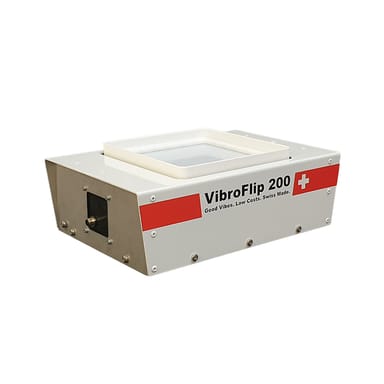
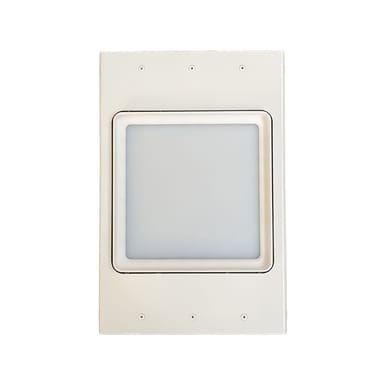
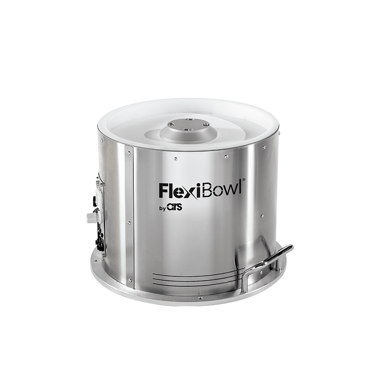
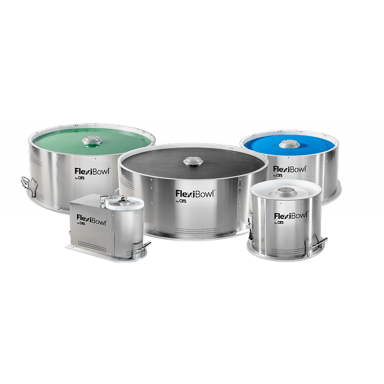
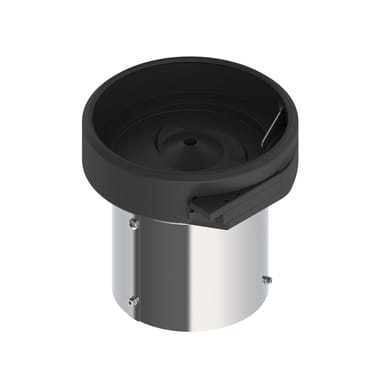
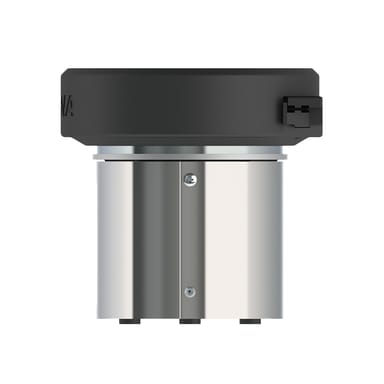
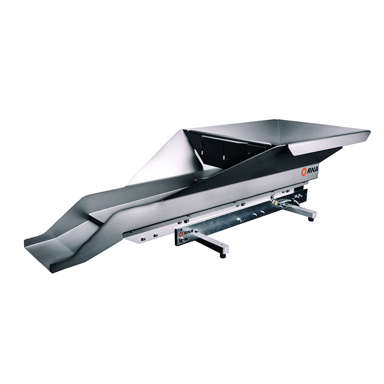
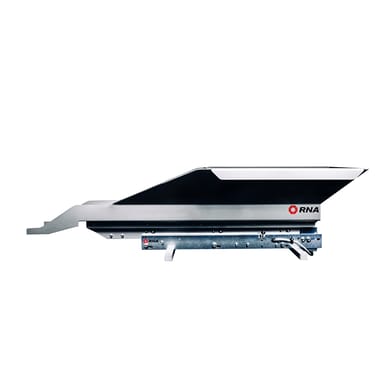
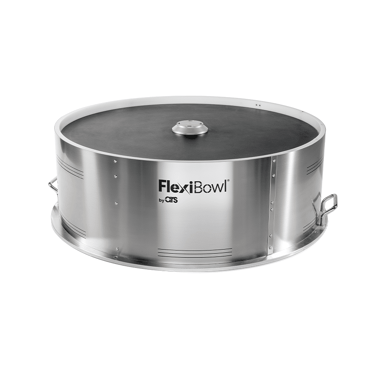
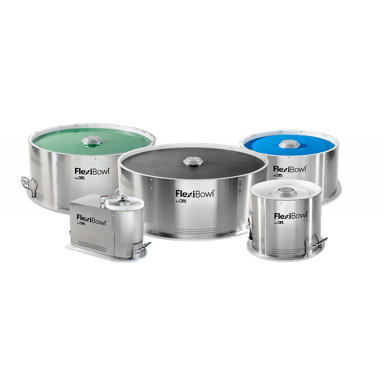
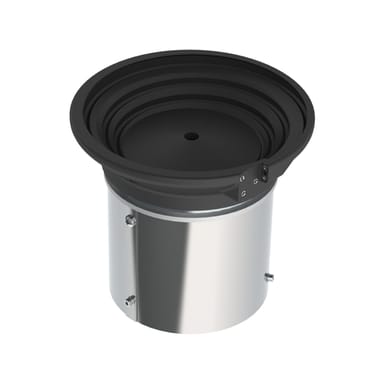
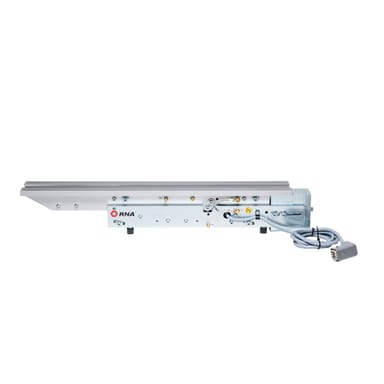
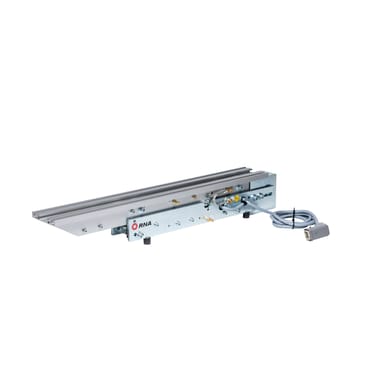
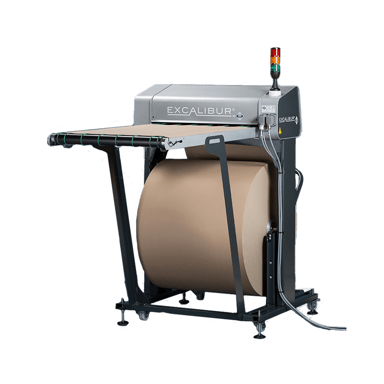
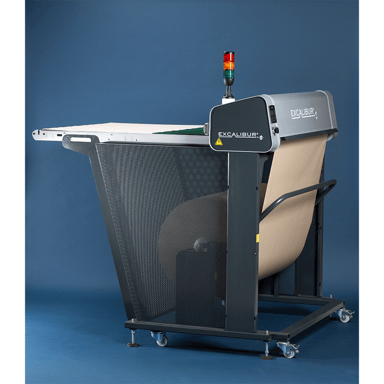
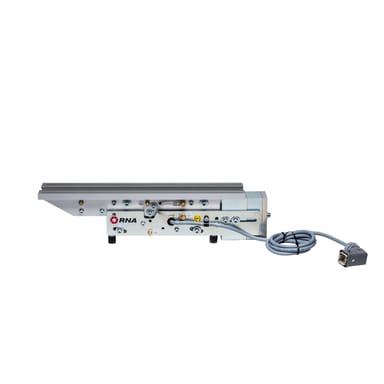
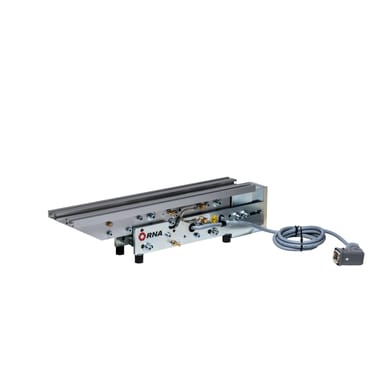
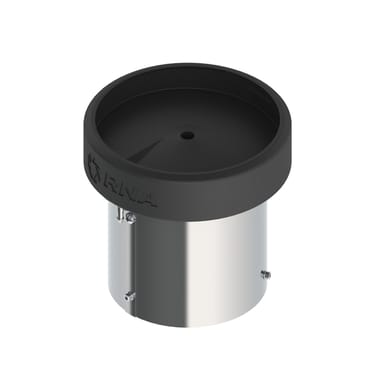
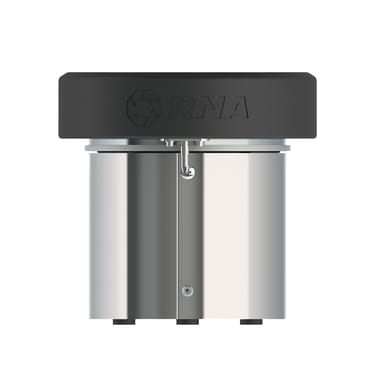
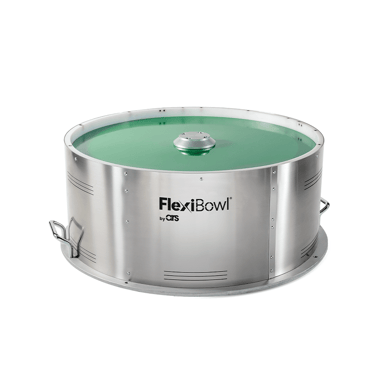
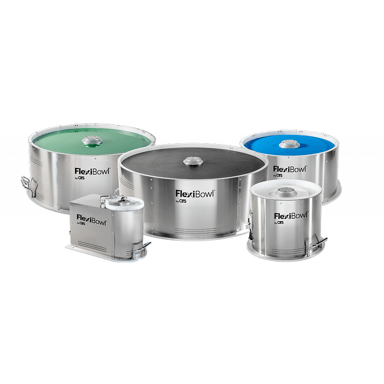
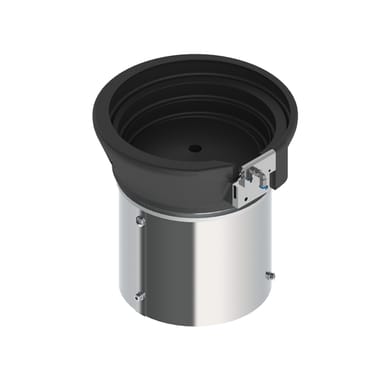
Material Feeding for Robotics and Automation: Reliably Supplying Components and Stabilizing Processes
Material feeding is a central component of modern automation and ensures that components, workpieces, or bulk materials are supplied in the correct quantity, orientation, and at the right time for the next process step. In industrial practice, this is particularly important because robots, assembly systems, and machining stations can only operate efficiently if the required material is supplied continuously and in an orderly manner. This is precisely why material feeding is one of the fundamental building blocks of many automation solutions.
Depending on the application, different systems are used for part feeding and material supply. These include, for example, vibratory hoppers, conveyor belts, shakers, and vibratory conveyors. They are responsible for separating parts, transporting them, making them available, or feeding them appropriately to downstream processes. Whether in assembly, robotics, mechanical engineering, or industrial manufacturing, a suitable material feeding system improves process reliability, reduces manual intervention, and supports stable, automated workflows.
What Is Material Feeding?
Material feeding refers to all systems and components that supply, transport, or feed materials, parts, or workpieces in an organized manner within an automated process. The goal is to ensure that downstream systems—such as robots, grippers, cameras, or assembly lines—are supplied with the correct material at all times.
Reliable material feeding is so important because it directly influences how consistently and efficiently a system operates. If parts are disorganized, not replenished in a timely manner, or not properly aligned, this can slow down or interrupt the entire process. Material feeding systems ensure that exactly this is avoided.
Why is material feeding so important in automation?
In automated processes, it is not enough for a robot or machine to be technically capable. The material must also be available in the correct form and at the correct cycle rate. This is precisely where material feeding comes into play. It combines storage, separation, transport, and delivery into a functioning overall system.
This is particularly crucial in robotics and assembly automation. A robot can only grip or assemble efficiently if the workpiece is correctly positioned or fed in a reproducible manner. A well-designed parts feeding system therefore not only improves system performance but also the quality and repeatability of the entire process.
What systems are included in material feeding?
The category of material feeding encompasses various technologies and components that are used depending on the material, workpiece, and application. Particularly typical examples include vibratory hoppers, conveyor belts, shakers, and vibrating conveyors.
Vibratory Hoppers
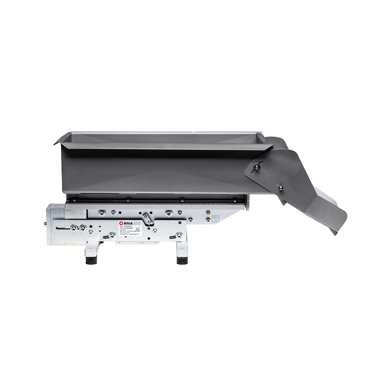
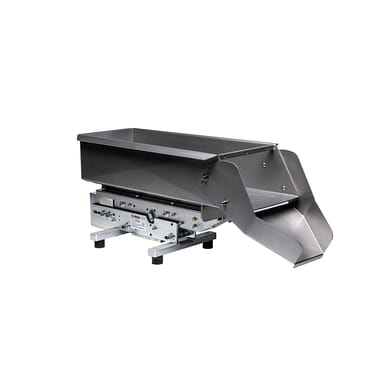
Vibratory hoppers are used to store parts in bulk and feed them in a controlled manner to downstream feeding systems. They are particularly suitable for bulk materials, small parts, or components that are available in large quantities and are to be processed automatically.
A vibrating hopper supports a continuous supply of parts and is often a key component of automated feeding solutions. This technology is particularly relevant when components must be fed in an ordered manner from a storage container.
Conveyor Belts
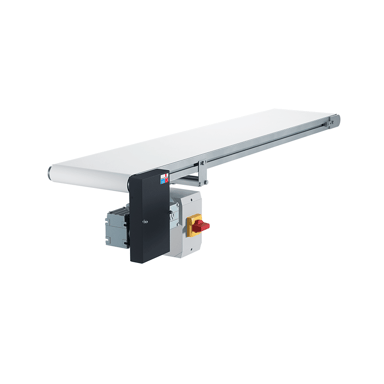
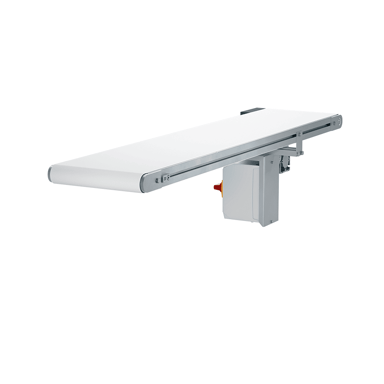
Conveyor belts are among the best-known solutions in material feeding. They transport workpieces, components, or packages from one process step to the next and ensure a consistent flow of material within the system.
In automation, conveyor belts are used in a wide variety of applications, such as feeding robots, camera systems, inspection stations, or assembly workstations. They are particularly important when material must not only be made available but also moved precisely between different stations.
Shakers
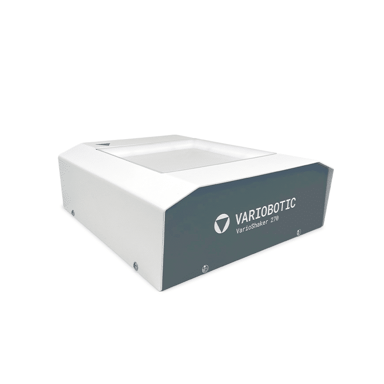
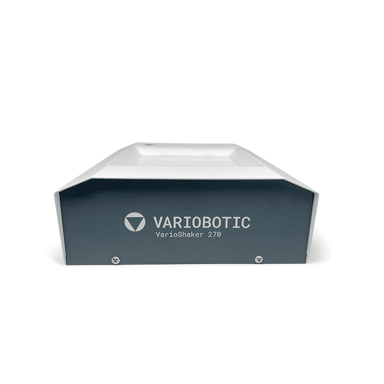
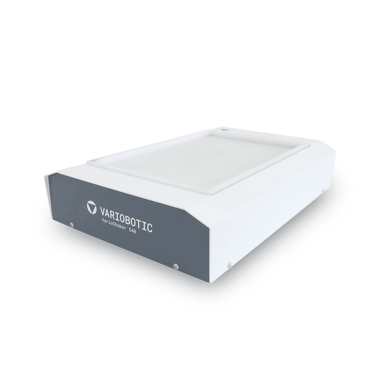
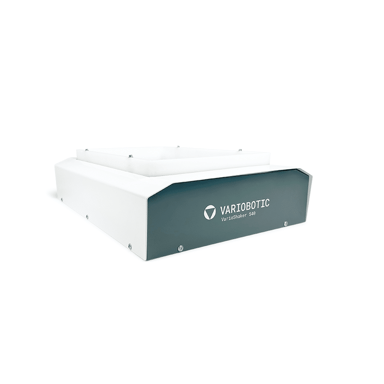
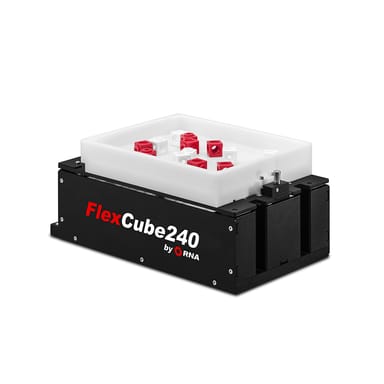
Shakers are used to move, loosen, or align parts, or to make them more readily available for subsequent processes. Especially when components are in a disordered state, a shaker can help bring the material into a more manageable initial configuration.
This makes shakers particularly useful in applications where parts need to be separated, distributed, or prepared for camera-based detection. In combination with robotics and machine vision, they can play an important role in flexible feeding concepts.
Vibrating Conveyors
Vibrating conveyors are a classic system for part feeding in industrial automation. They use vibrating motions to transport workpieces in a targeted manner, separate them, or position them in a specific orientation. This makes them particularly suitable for small parts and for applications in which components must be supplied in a reproducible and orderly manner.
An oscillating conveyor is particularly useful when a defined material flow and stable feeding are required. Such systems are widely used, especially in assembly and manufacturing processes involving recurring components.
Material Feeding for Robotics and Assembly
In robotics, material feeding is particularly important because robots rely on a clean supply of parts in many applications. Workpieces must not only be present but also often be available in a position that can be grasped, at the correct cycle rate, and as reproducibly as possible. This is precisely why feeding systems are a key component of robot-assisted automation.
Parts feeding also plays a central role in assembly automation. Components must be supplied, separated, and transported to the correct location so that assembly processes can run smoothly and efficiently. Systems such as conveyor belts, vibratory hoppers, shakers, and vibrating conveyors help to reliably implement these processes.
Advantages of a Suitable Material Feeding System
A well-coordinated material feeding system offers many advantages for automated processes. It ensures stable operations, reduces manual rework, and improves the supply to downstream systems.
Typical advantages include:
- reliable supply of components and workpieces
- improved process reliability
- consistent material flow
- support for robotics and assembly automation
- fewer manual interventions
- greater efficiency in manufacturing and production
- a better foundation for automated handling and inspection
Especially in applications with high cycle times or repetitive processes, a well-designed material feeding system is a key factor in boosting productivity and stability.
What to Consider When Selecting a Material Feeding System
When selecting the right material feeding system, you should always take into account the properties of the material and the requirements of the process. Key factors include part geometry, size, weight, material behavior, desired cycle time, and whether parts need to be merely transported, separated, or also aligned.
Interaction with robots, camera systems, grippers, or assembly lines also plays an important role. Only when the material feeding system is precisely tailored to the overall process can a reliable and cost-effective automation solution be achieved.
Find the Right Solution for Material Feeding
In this category, you’ll find solutions for material feeding, part feeding, and material supply in robotics, assembly, and industrial automation. Whether it’s a vibratory hopper, conveyor belt, shaker, or vibratory conveyor: the right feeding technology helps you supply materials in an orderly, reliable, and efficient manner for automated processes.
Find your automation solution now with our configurator
