

Marketplace
-
kg-
€-
kgVacuum Grippers
Vacuum grippers are robotic grippers that pick up and hold workpieces using negative pressure. They are particularly well-suited for smooth, stable surfaces such as cardboard, sheet metal, or glass, and enable repeatable gripping in pick-and-place and palletizing processes.
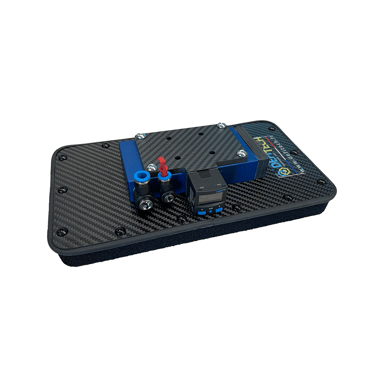
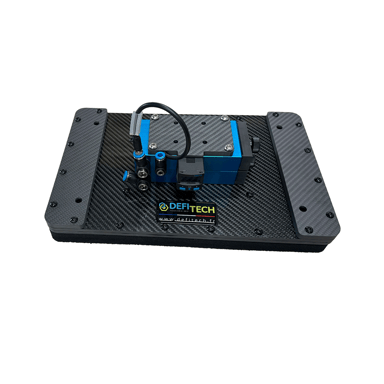
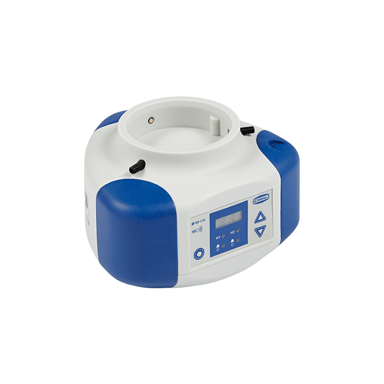
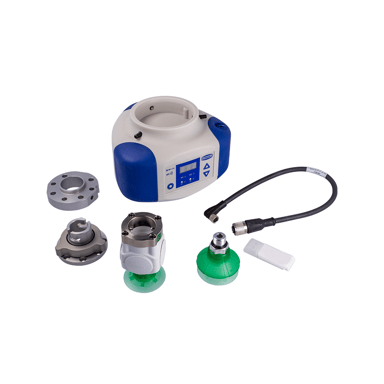
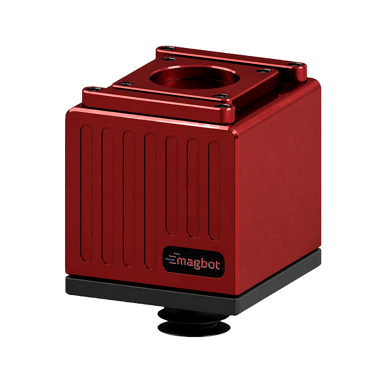
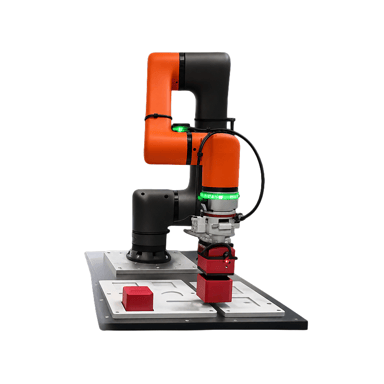
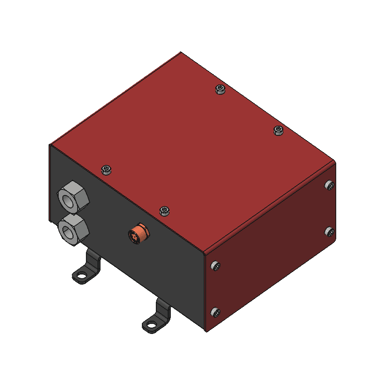
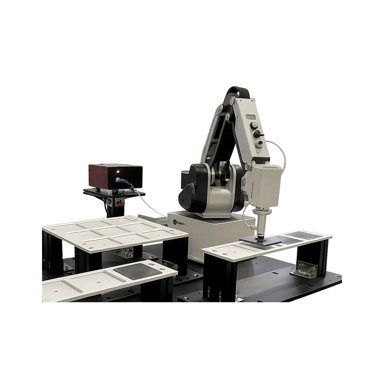
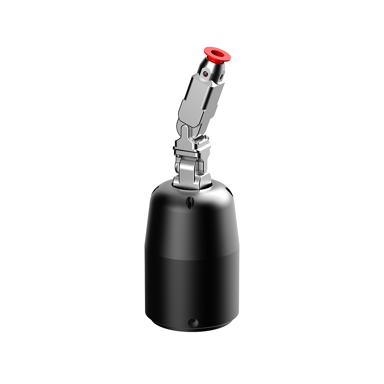
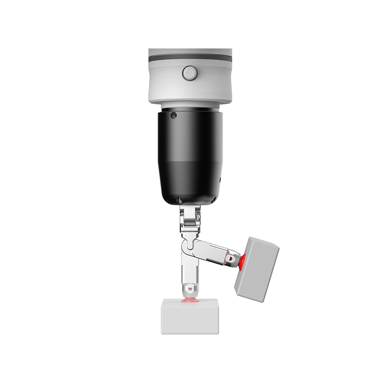
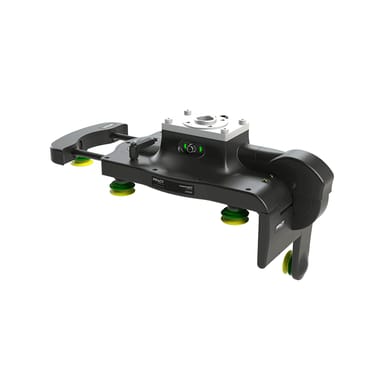
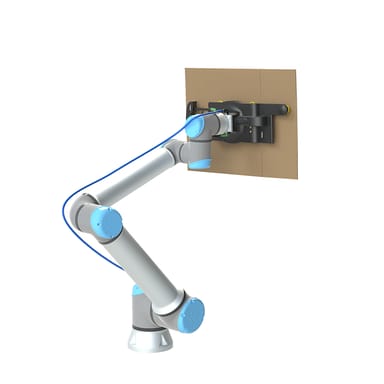
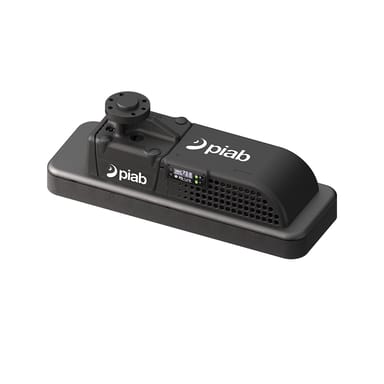
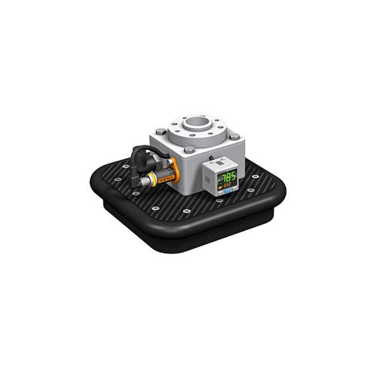
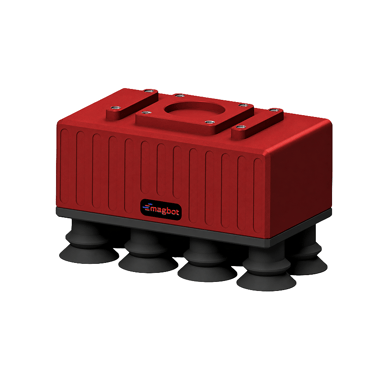
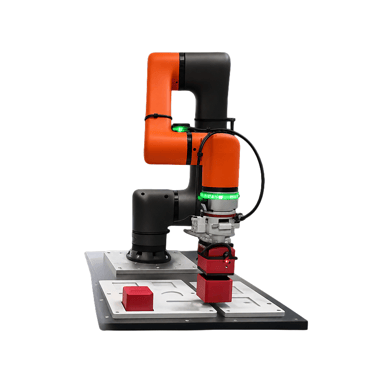
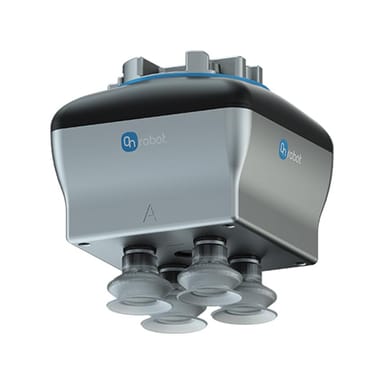
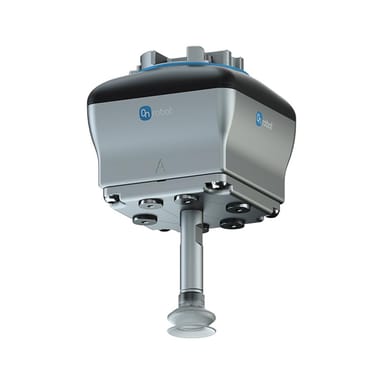
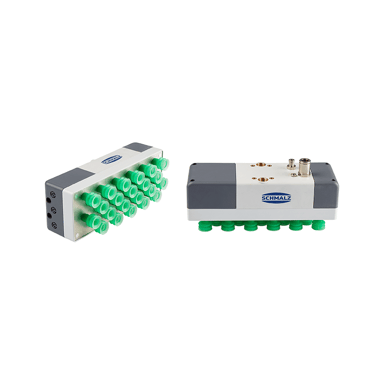
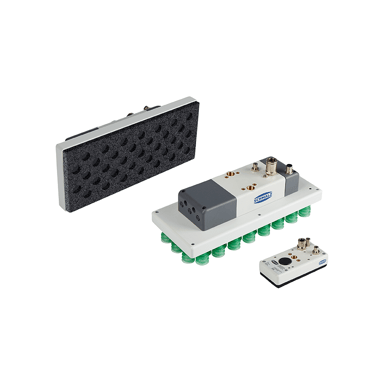
Vacuum Grippers for Robotics and Automation: Flexible Gripping Solutions for Parts Handling and Palletizing
Vacuum grippers are an important component of modern robotics and automation technology. They enable the safe picking up, holding, and moving of workpieces using negative pressure and are particularly well-suited for products that are flat, delicate, thin-walled, or difficult to handle with mechanical grippers. Whether in parts handling, pick-and-place processes, packaging automation, or palletizing, a suitable vacuum gripper ensures efficient, reliable, and gentle handling.
Unlike other robotic grippers, a vacuum gripper does not use gripping jaws or magnetic force, but rather suction elements or a flat seal through which the workpiece is picked up using vacuum suction. This allows for the automated handling of many different products, such as cardboard boxes, sheet metal, plastic parts, packaging, wooden panels, bags, or other workpieces with a suitable surface. Vacuum grippers are therefore particularly popular, especially in applications with varying formats and high cycle times.
What is a vacuum gripper?
A vacuum gripper is a robotic gripper that picks up and holds workpieces using negative pressure. It is one of the typical end-effectors in automation and is mounted on the robot flange. Its task is to securely grip products, transport them, and place them back at the desired position.
A major advantage of vacuum grippers is their versatility. They are suitable for many workpieces where mechanical grippers reach their limits or where the gripping task must be performed with particular care. A vacuum gripper for robots is often an excellent solution, especially for flat, large-surface, or delicate products.
How does a vacuum gripper work?
The operation of a vacuum gripper is based on negative pressure. A vacuum is created between the gripper and the workpiece, ensuring that the component is securely drawn in and held. Depending on the design, this is achieved either at specific points via individual suction cups or across a larger area via a gripping surface with sealing foam.
Which variant is more suitable depends on the application. Key factors include the surface, size, weight, shape, and tightness of the workpiece. Cycle time, the process environment, and the type of robot also play an important role in the selection process.
Different Types of Vacuum Grippers
Vacuum grippers are available in various designs so that they can be optimally tailored to different applications. Systems with suction cups and solutions with sealing foam are particularly common.
Vacuum Grippers with Suction Cups
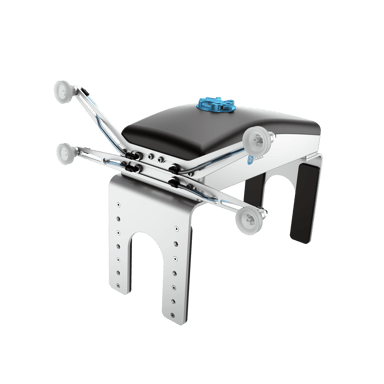
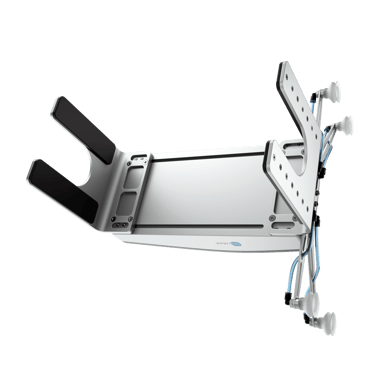
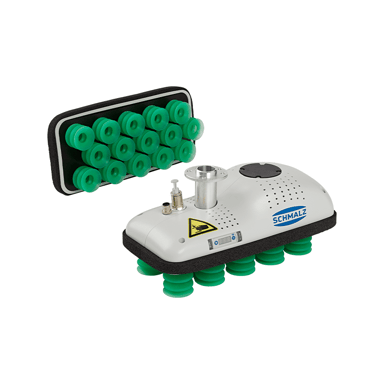
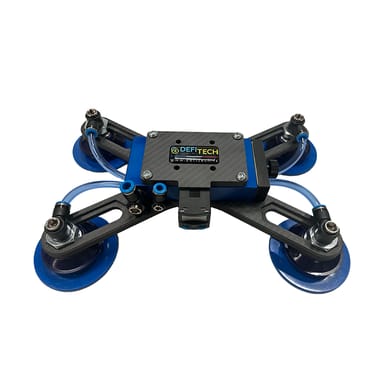
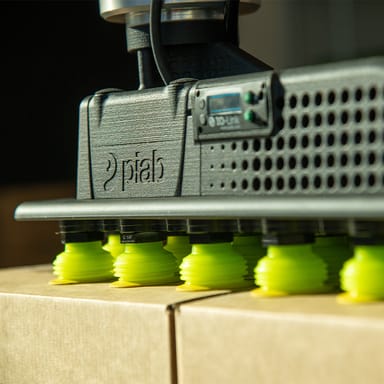
Vacuum grippers with suction cups are among the classic designs in industrial automation. Here, the workpiece is picked up using one or more suction cups. This solution is particularly well-suited for defined, smooth, or slightly textured surfaces and for applications where the workpiece needs to be gripped at specific points.
The advantage lies in precise and often very fast handling. Suction cup-based vacuum grippers are frequently used in parts handling, pick-and-place applications, packaging processes, and for handling sheet metal, plastic parts, and cardboard boxes.
Vacuum grippers with sealing foam
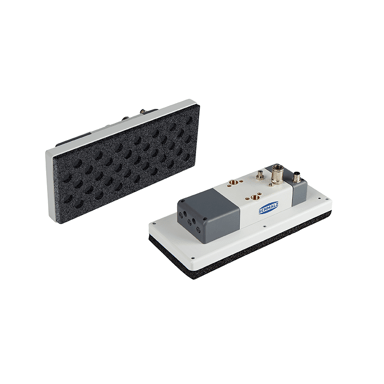
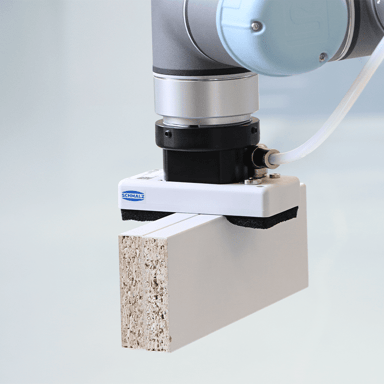
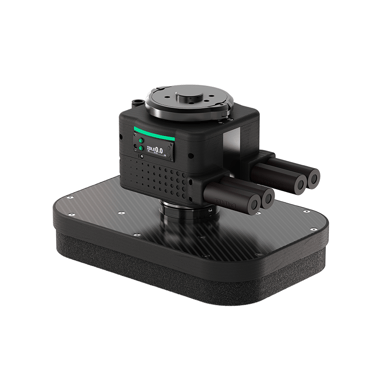
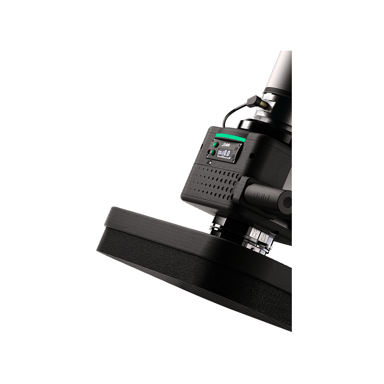
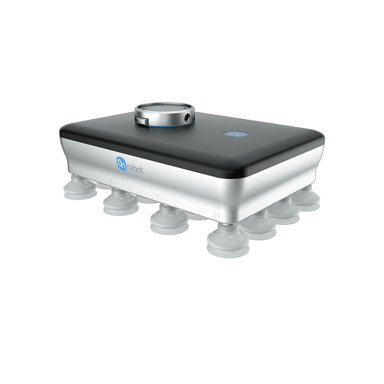
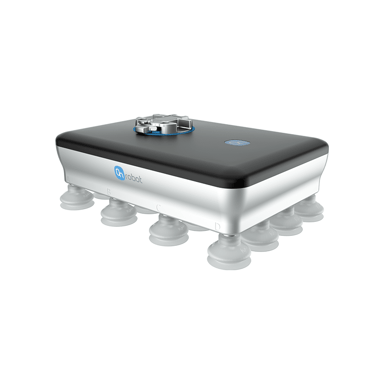
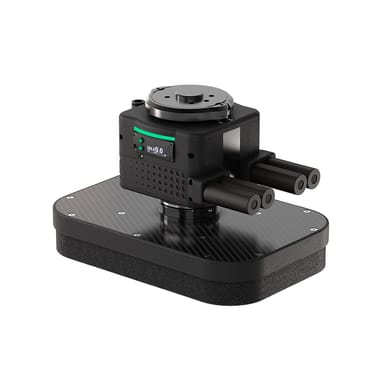
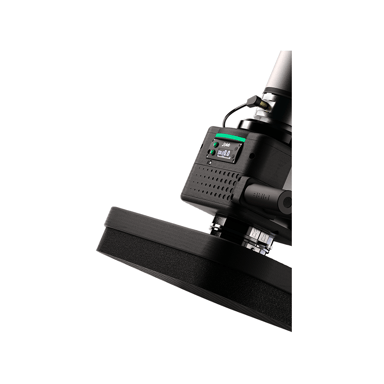
Vacuum grippers with sealing foam feature a flat gripping zone that can flexibly adapt to different contours and surfaces.
This design is particularly useful when products are not always positioned exactly the same way, different sizes are involved, or a larger gripping area is required.
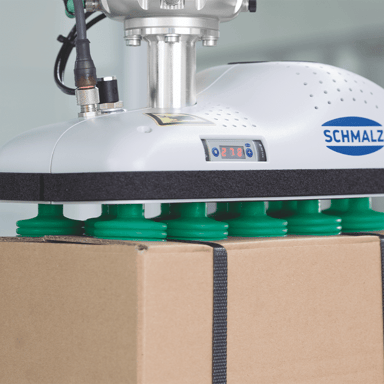
Such systems are widely used, especially in palletizing, depalletizing, or when handling cartons, packaging, and other larger containers. Thanks to the flexible contact surface, even products with slight variations can often be gripped reliably. This makes vacuum grippers with sealing foam particularly suitable for processes with high variability.
Different Sizes and Load Capacities
A vacuum gripper must always be suited to the size and weight of the workpiece. That is why these gripping systems are available in many different sizes, designs, and load capacities. Small vacuum grippers, for example, are suitable for compact parts, electronic components, or lightweight packaging. Larger systems, on the other hand, are designed for larger cartons, sheets, bags, or palletized containers.
The appropriate load capacity is particularly important because not only must the workpiece itself be held securely, but factors such as dynamics, acceleration, and process reliability also play a role. Especially in high-speed robotic applications or in palletizing, the gripper should be designed so that it can reliably move the product even under real-world process conditions.
With integrated vacuum generation or an external compressed air supply
There are also differences in the type of vacuum generation. Some vacuum grippers feature integrated vacuum generation, while others rely on an external compressed air supply or a separate vacuum system.
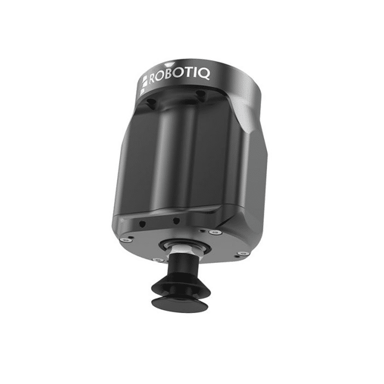
A vacuum gripper with integrated vacuum generation can offer advantages in terms of compactness and integration. Such solutions are often particularly appealing when a system needs to be as space-saving as possible or when vacuum generation is required directly at the gripper.
Other systems operate with an external compressed air supply or a central vacuum source. Depending on the application, this option may be preferable when higher performance is required or when the gripper solution needs to be integrated into an existing pneumatic or vacuum system. Which design is better always depends on the specific application, the robot system, and the plant structure.
Typical Applications for Vacuum Grippers
Vacuum grippers are used in many areas of industrial automation. They are particularly common in parts handling—that is, wherever workpieces need to be automatically picked up, moved, or sorted. These can include small components, sheet metal, plastic parts, packaging, or other products that can be easily gripped using vacuum.
A particularly important application is palletizing. Here, cartons, bags, packaging units, or other products must be moved quickly, reliably, and often in varying formats. Vacuum grippers are ideally suited for palletizing. Depending on the product and process, grippers with suction cups or sealing foam are used. They also play an important role in depalletizing—that is, removing products from pallets.
Other typical applications include:
- Pick-and-place
- Packaging automation
- Machine loading and unloading
- Handling of sheet metal, panels, and blanks
- Intralogistics
- Carton handling
- Bag handling
- Palletizing and depalletizing
Advantages of Vacuum Grippers
A vacuum gripper for robotics and automation offers many advantages when workpieces can be safely handled using negative pressure. Particularly important are gentle handling, high flexibility, and suitability for fast automation processes.
Typical advantages of vacuum grippers include:
- gentle gripping of sensitive products
- suitability for flat and large-format workpieces
- flexible adaptation to different products
- high process speed
- versatile applications in parts handling
- excellent suitability for palletizing and packaging processes
Vacuum grippers are often a particularly cost-effective solution, especially in applications with a high variety of product variants or changing product formats.
What to Consider When Selecting a Vacuum Gripper
When selecting the right vacuum gripper, you should always take into account the characteristics of the workpiece and the requirements of the process. Important factors include the product’s surface, weight, size, tightness, material, and shape. The decision between using suction cups or sealing foam is also crucial.
In addition, payload, cycle time, available compressed air, the desired method of vacuum generation, and integration into the robot system play an important role. Only when the gripper, workpiece, and process are precisely matched can a reliable solution for industrial automation be achieved.
Find the Right Vacuum Gripper for Your Application
In this category, you’ll find vacuum grippers for a variety of requirements in robotics, automation, parts handling, and palletizing. Whether you need a compact solution for small components, a flat gripper with sealing foam, a classic design with suction cups, or a system with integrated vacuum generation—the right vacuum gripper will help you handle products safely, efficiently, and with consistent process stability.
Find your automation solution now with our configurator
