

Marketplace
-
kg-
€-
-
kg-
NFinger Grippers
Finger grippers are versatile robotic end-of-arm tools that securely and precisely grasp a wide range of objects in production, assembly, and handling tasks, offering adaptable designs, adjustable gripping force, and broad compatibility with modern automation systems.
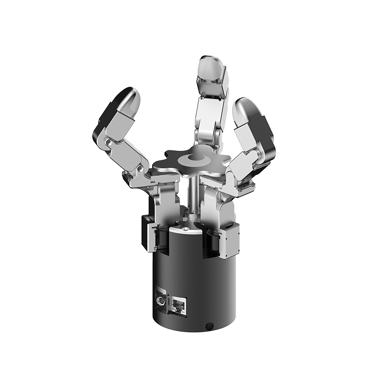
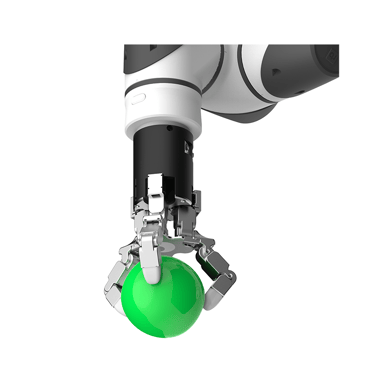
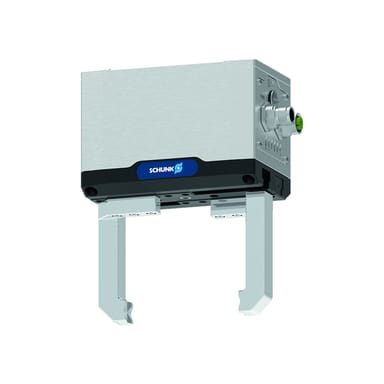
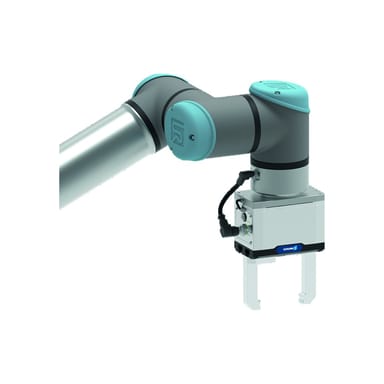
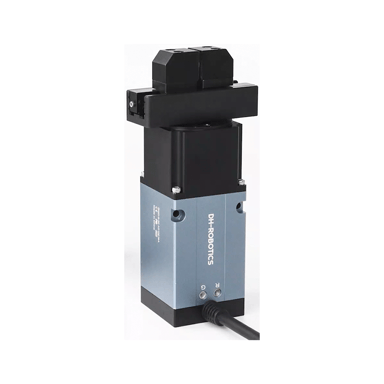
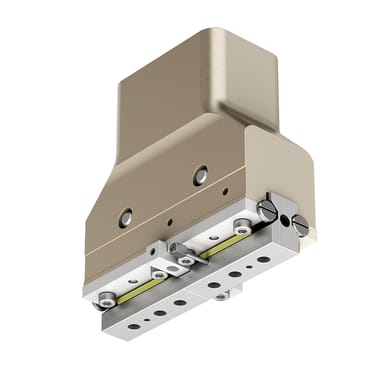
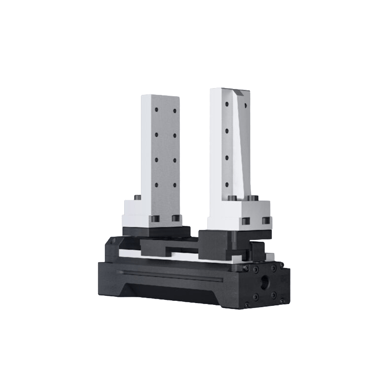
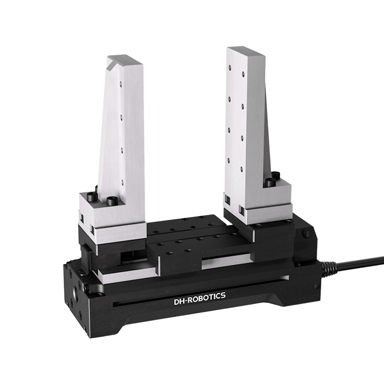
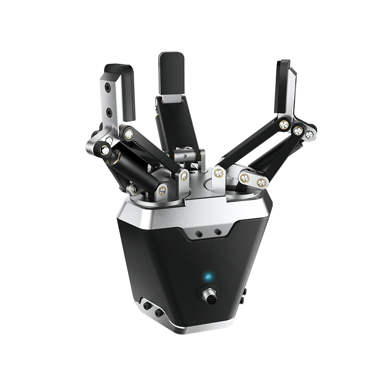
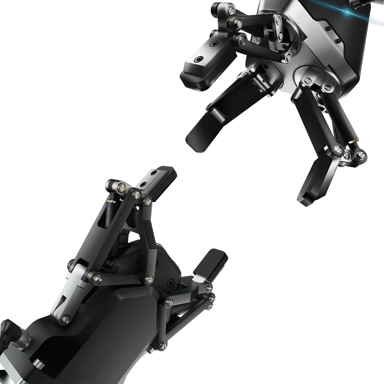
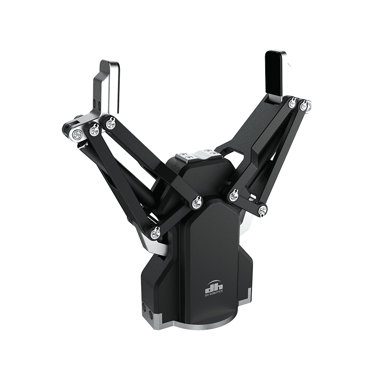
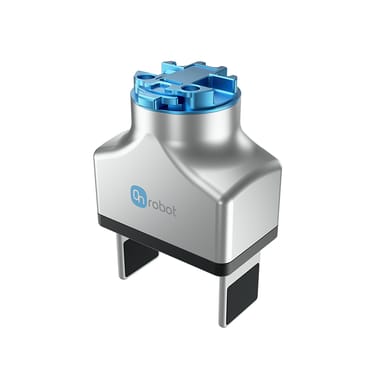
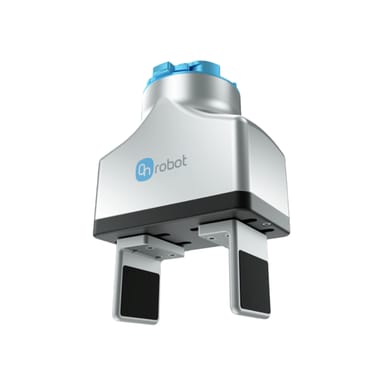
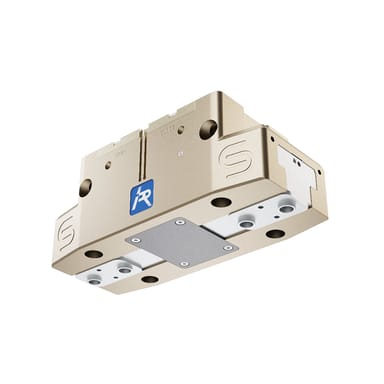
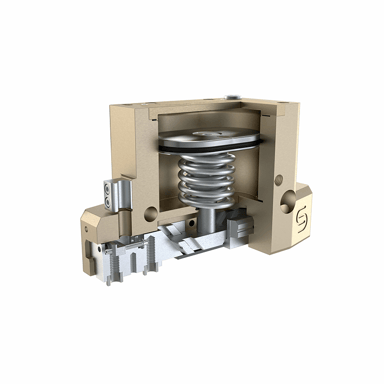
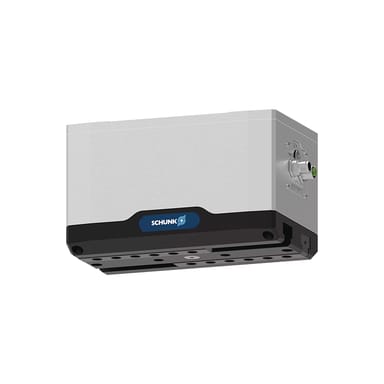
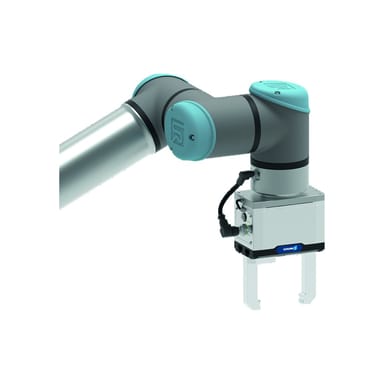
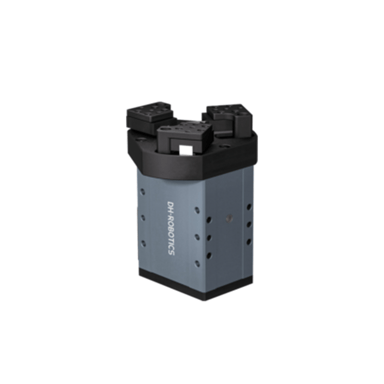
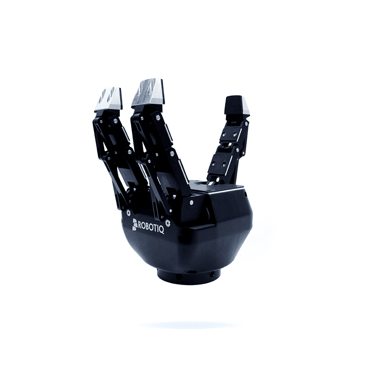
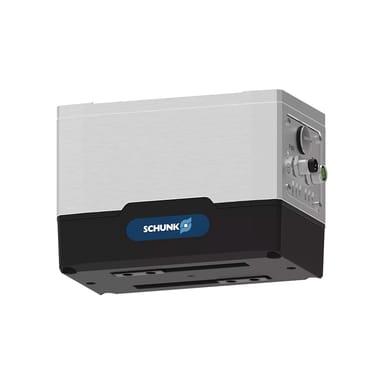
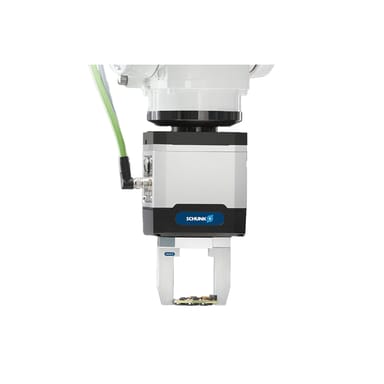
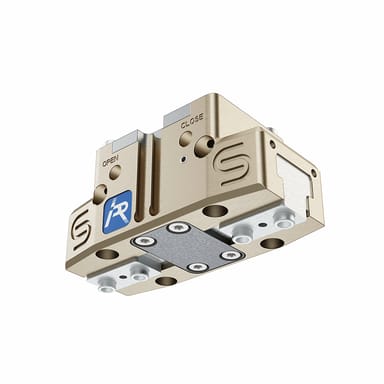
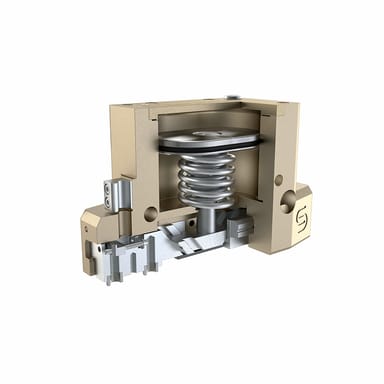
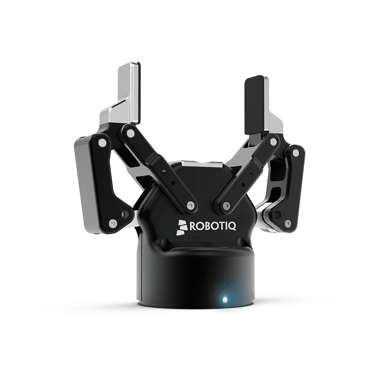
Finger grippers for robotics and automation: precise gripping technology for a wide range of industrial applications
Finger grippers are among the most commonly used robotic grippers in industrial automation. They are used wherever workpieces need to be picked up, held, moved, or positioned with precision. Whether in parts handling, assembly, pick-and-place processes, or machine loading and unloading: A suitable finger gripper is a central component of many automated applications.
Unlike other gripping systems, finger grippers use mechanical gripping jaws or gripping fingers that grasp the workpiece via form-fit or force-fit. This makes them particularly well-suited for rigid, defined components with clear geometry. In robotics and mechanical engineering, finger grippers are therefore a proven solution when workpieces need to be handled safely and with repeatable accuracy.
What is a finger gripper?
A finger gripper is a mechanical gripper for robots that picks up workpieces using two or more gripping fingers. It is one of the typical end-effectors in industrial automation and is mounted directly on the robot or on another handling system. Its task is to securely grip a component, hold it, and move it to another position or place it there precisely.
Finger grippers for robots are used in many industries because they are highly versatile and can be adapted to different applications. Depending on the design, they can handle small, delicate components as well as larger or more robust workpieces. The key factor is always that the gripper matches the geometry, weight, and surface of the workpiece.
How does a finger gripper work?
The operating principle of a finger gripper is based on movable gripping fingers or gripping jaws that close and hold the workpiece in place. Gripping can be achieved either through friction or clamping force, or via a form-fit grip. Which variant is appropriate depends on the shape and requirements of the component.
In practice, there are different concepts for how the fingers move. Some grippers operate in parallel, others in a centered or angular manner. What they have in common is that they pick up workpieces in a controlled manner, thereby enabling reliable handling in automated processes. This is precisely why finger grippers are one of the first solutions considered in many standard applications when a robotic gripper is needed.
What types of finger grippers are available?
Finger grippers are available in various designs so they can be used for as many applications as possible. 2-finger grippers and 3-finger grippers are particularly common, depending on the workpiece and gripping requirements.
2-Finger Grippers
2-finger grippers are particularly widespread and suitable for many standard applications. They grip a workpiece from two sides and are well-suited for components with clear outer contours. They are a very common choice, especially in parts handling, machine loading, or assembly processes.
The advantage lies in their simple, robust, and versatile operation. For many defined workpieces, a 2-finger gripper is an economical and reliable solution.
3-finger grippers
3-finger grippers offer additional stability during gripping and are particularly suitable for round or symmetrical workpieces.
Thanks to the three contact points, the component can often be picked up more centrally and held more securely.
This is particularly advantageous when workpieces need to be positioned with high precision or when handling rotationally symmetrical parts. In certain applications, 3-finger grippers therefore offer advantages over traditional 2-finger solutions.
Finger grippers for various workpieces and requirements
A major advantage of finger grippers is their versatility. They can be designed for a wide variety of workpieces and processes. Depending on the application, there are compact models for small components, robust variants for higher loads, or special solutions for unique geometries.
Important selection criteria include:
- Size and shape of the workpiece
- Weight of the component
- Surface finish
- Required gripping force
- Cycle time and dynamics
- Installation situation and installation space
- Positioning accuracy
Precisely because finger grippers are used in so many applications, the correct design is crucial. Only when the gripper and workpiece fit together perfectly can a reliable and economical process be achieved.
Advantages of Finger Grippers in Automation
Finger grippers are so widespread in industrial automation because they offer many advantages. They provide a direct, controlled gripping principle and are suitable for a wide range of workpieces. At the same time, they can be integrated into many robot systems and handling solutions.
Typical advantages of finger grippers include:
- precise gripping and positioning
- well-suited for rigid workpieces with defined geometry
- versatile applications
- reliable handling in repetitive processes
- seamless integration into robotics and automation
- suitable solutions for different gripping forces and sizes
Finger grippers for robots are a particularly proven solution in applications where components must be moved with repeatable accuracy or placed precisely.
Typical applications for finger grippers
Finger grippers are used in many areas of industrial automation. They are particularly common where components must be handled precisely and moved safely. Typical applications include:
- Part handling
- Pick-and-place
- Assembly automation
- Machine loading and unloading
- Feeding processes
- Inspection and sorting applications
- Handling of workpieces in manufacturing cells
In all these applications, the finger gripper plays a central role because it forms the direct interface between the robot and the workpiece. Its quality and suitability have a direct impact on process reliability, cycle time, and precision.
Finger Grippers in Robotics and End-of-Arm Systems
In robotics, finger grippers are a classic component of the end-of-arm system. They are mounted on the robot flange and transform a robot into a functional handling system. In combination with the right robot, the appropriate controller, and, if necessary, additional sensors, they create a powerful solution for a wide variety of automation tasks.
Precisely because finger grippers are among the most important end effectors, they are standard in many industries. They can be used in both simple applications and more complex automation solutions and are therefore a central component of modern robotics.
What is important when selecting a finger gripper
When selecting the right finger gripper, you should always keep the specific application in mind. Not only the workpiece and gripping force are decisive, but also cycle time, installation space, repeatability, and integration into the existing robot system.
The question of whether a 2-finger gripper or a 3-finger gripper is more suitable also plays an important role.
Additionally, it is important to consider how flexible the gripper needs to be in the application. Some processes work with clearly defined parts, while others involve changing workpieces or different formats. The right finger gripper for robotics and automation should therefore always match the actual process requirements.
Find the right finger gripper for your application
In this category, you’ll find finger grippers for a wide variety of applications in robotics, mechanical engineering, and industrial automation. Whether for precise part handling, assembly processes, or machine loading: The right finger gripper ensures that workpieces can be handled safely, with repeatable accuracy, and efficiently.
Find your automation solution now with our configurator
