

Marketplace
Humanoid robots & Quadrupedal robots
Humanoid and quadrupedal robots are mobile robotic systems characterized by a human-like or animal-like form. They are suitable for tasks that require flexible movement, navigation in complex environments, or interaction with humans. This category provides an overview of systems that have been specifically developed for dynamic locomotion and versatile applications.
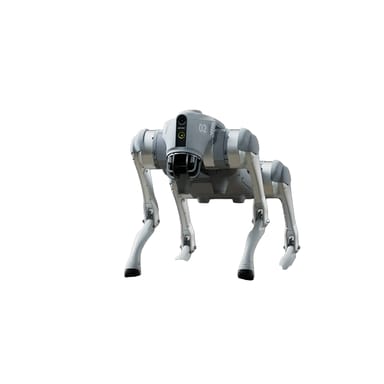
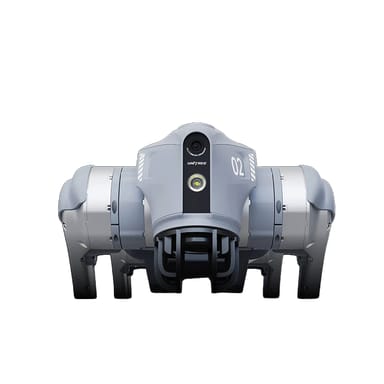
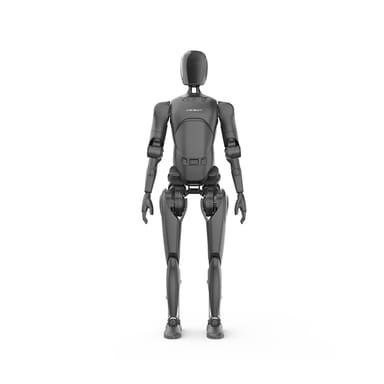
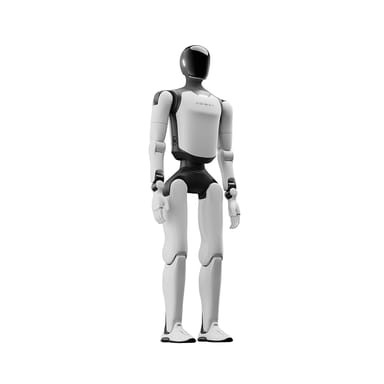
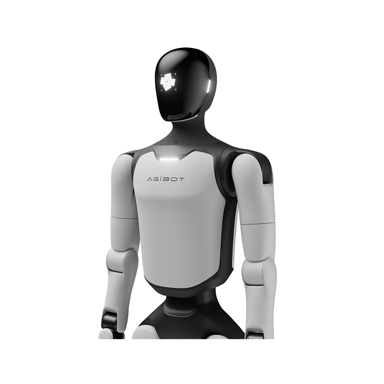
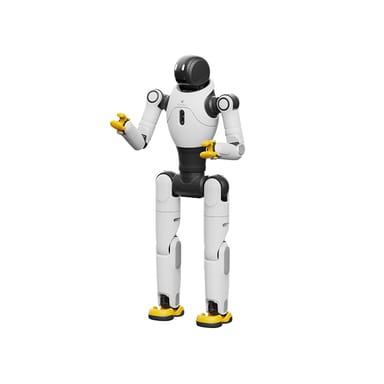
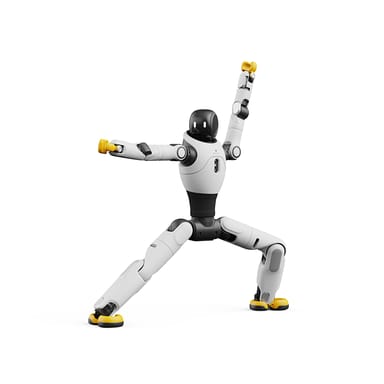
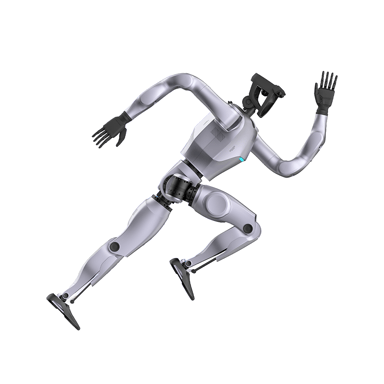
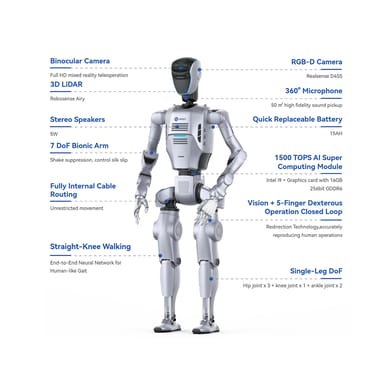
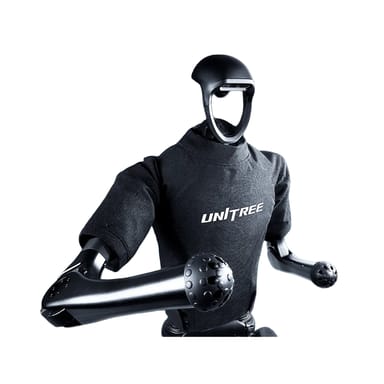
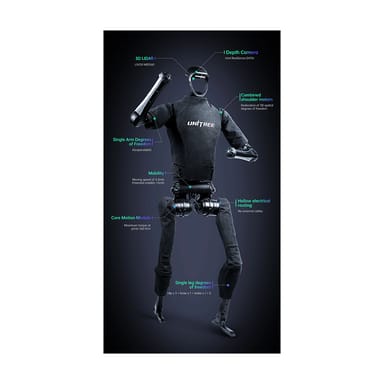
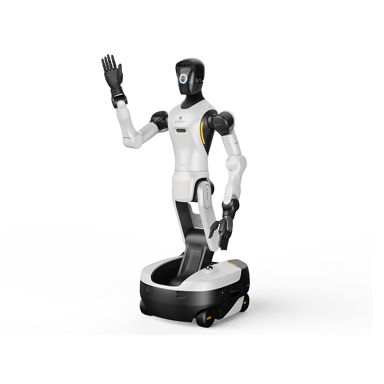
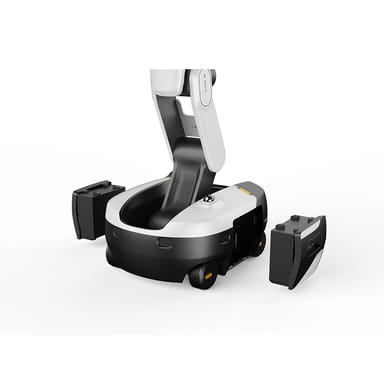
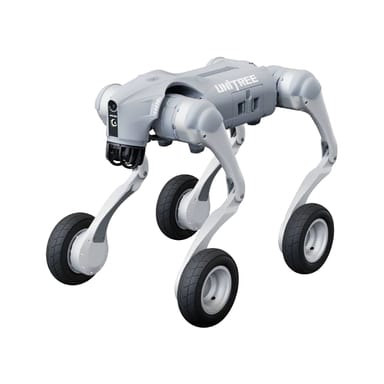
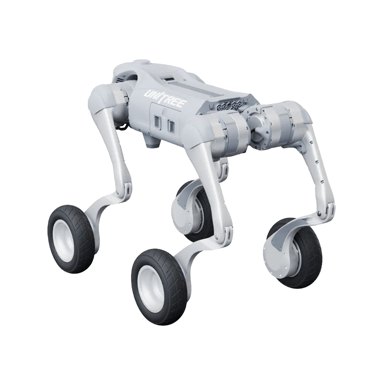

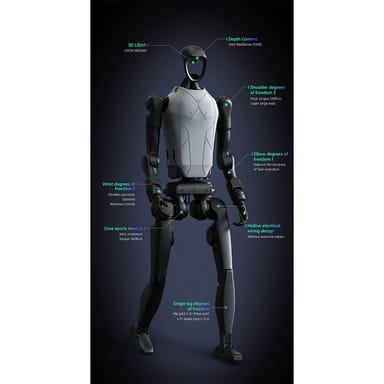
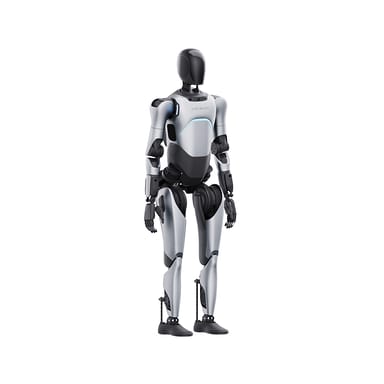
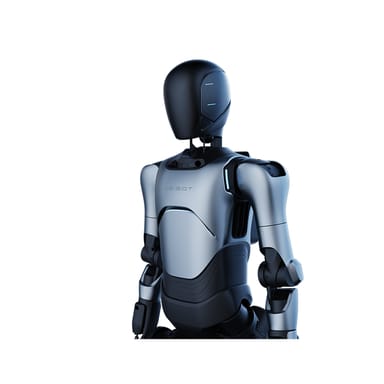

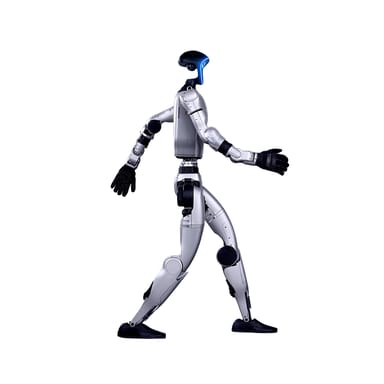
Humanoid Robots and Quadruped Robots: Mobile Robotics for New Applications
Humanoid robots and quadruped robots represent a particularly dynamic and forward-looking form of robotics. Unlike traditional stationary robots or conventional industrial robots, these systems are designed to move around their environment and perform tasks in complex, changing, or hard-to-reach areas. This is precisely why humanoid robots and quadruped robots are becoming increasingly important in industry, research, and automation.
Both types of robots combine mobility, sensor technology, and intelligent control in a single system. They can sense their environment, navigate within it, and, depending on the model, perform additional tasks. While humanoid robots, with their human-like design, are particularly well-suited for environments designed for human movement patterns, quadrupedal robots excel primarily in stability, off-road capability, and high mobility on challenging terrain.
What are humanoid robots?
Humanoid robots are robotic systems whose design is modeled after the human body. Typically, they have an upper body, two arms, two legs, and a head or sensor area. The goal of this design is to enable movements and sequences of actions that are adapted to human ways of working.
A humanoid robot is particularly interesting for applications where environments, tools, or processes were originally designed for humans. These include, for example, workplaces with traditional operating concepts, paths with stairs or obstacles, or tasks where human-like interaction is helpful. Humanoid robotics is therefore often associated with future-oriented topics such as flexible automation, assistance systems, and advanced human-robot interaction.
What are quadrupedal robots?
Quadrupedal robots are mobile robotic systems with four legs, whose movements often resemble those of animals or dog-like robots. They are designed to move safely even in environments where wheels or rigid chassis reach their limits. These include uneven surfaces, obstacles, difficult terrain, or areas with changing conditions.
A quadruped robot offers particular advantages in terms of stability and mobility. Through leg movement, it can react flexibly to its environment and navigate areas where traditional mobile robot systems are less suitable. Quadruped robots are therefore an exciting field of technology, particularly for inspection tasks, monitoring processes, research, or specialized automation applications.
Differences Between Humanoid and Quadrupedal Robots
Although both systems fall under the umbrella of mobile robotics, they take different approaches. Humanoid robots are modeled after the human form and are particularly well-suited for environments designed for human movement and work patterns. Quadrupedal robots, on the other hand, are designed more for stable locomotion, off-road maneuverability, and rugged mobility.
A humanoid robot can offer advantages when interaction, grasping tasks, or movement in human-made environments are the primary focus. A quadruped robot tends to demonstrate its strengths where mobility, balance, and reliable locomotion in challenging environments are essential. Both types of robots showcase how versatile modern mobile robotics has become today.
Why are these robot types so interesting?
Humanoid robots and quadrupedal robots open up new possibilities for applications that are difficult to implement with traditional robot systems. They are particularly relevant in situations where the environment changes, obstacles are present, or a high degree of freedom of movement is required. This is precisely what makes them an exciting building block for the next generation of automation.
In many fields, the goal is not merely to automate individual movements but to navigate complex environments. Mobile, intelligent, and adaptable robotic systems can make a significant contribution here. That is why humanoid robots and quadrupedal robots are often regarded as key technologies for future applications in industry, logistics, research, and service.
Typical applications for humanoid and quadruped robots
The potential applications for humanoid and quadruped robots are diverse. Depending on the system, design, and technical specifications, they are suitable for a variety of tasks. These include, among others:
- mobile inspection tasks
- monitoring and control processes
- research and development
- test environments for modern robotics
- Operations in complex or unstructured environments
- Support tasks in industry and automation
- Applications requiring high flexibility and mobility
While quadrupedal robots are particularly often associated with inspection, off-road, and mobility applications, humanoid robots often focus on assistance, interaction, and flexible movement sequences. Both technologies are evolving rapidly and opening up ever-new fields of application.
Advantages of humanoid and quadrupedal robotics
The major advantage of these systems lies in their mobility and adaptability. They can perform tasks in areas that are difficult for traditional stationary robotics to access. At the same time, they demonstrate how significantly robotics is evolving toward flexible, intelligent, and environment-aware applications.
Typical advantages include:
- high mobility
- flexible motion sequences
- operation in complex environments
- new possibilities for inspection and assistance
- modern sensor technology and intelligent navigation
- potential for versatile future applications
It is precisely through the combination of mechanics, AI, sensor technology, and control systems that highly advanced robotic systems are emerging here, going far beyond traditional automation.
Humanoid robots and quadrupedal robots in modern robotics
In modern robotics, humanoid robots and quadrupedal robots represent a significant step forward. They demonstrate that robotic systems are no longer confined to stationary use at a fixed workstation but can increasingly move flexibly within real-world environments and perform tasks there. This makes them a vital component of innovative automation concepts.
This category of robotics is particularly relevant for companies and organizations involved in future technologies, research, or new automation possibilities. It combines mobility, intelligent motion control, and modern sensor technology in a way that opens up new fields of application.
Find the right mobile specialty robot for your application
In this category, you’ll find humanoid robots and quadrupedal robots for innovative applications in robotics, automation, and research. Whether it’s a humanoid robot for flexible interaction or a quadrupedal, dog-like robot for mobile operations in demanding environments: these robotic systems represent the next level of modern, intelligent, and mobile automation.
Find your automation solution now with our configurator
