

Marketplace
-
kg-
mm-
€-
kg-
m/sRobots
Robots enhance efficiency and precision across industries through seamless integration. Industrial robots drive high-volume production with speed and durability. Collaborative robots (cobots) enable safe, adaptable teamwork alongside humans in shared workspaces. Mobile robots, with smart navigation, streamline logistics by autonomously moving materials, uniting strength, safety, and mobility in modern automation.
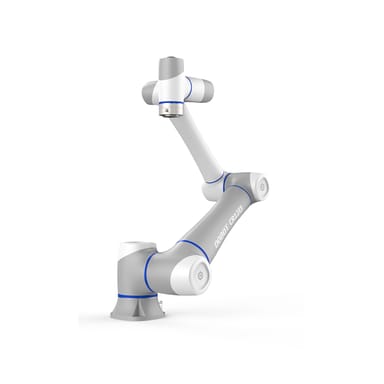
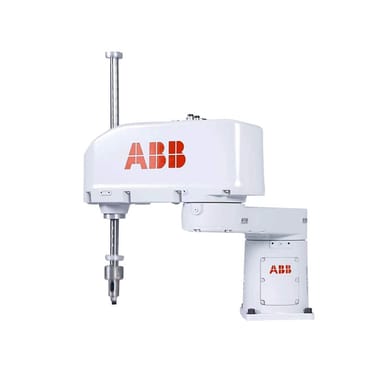
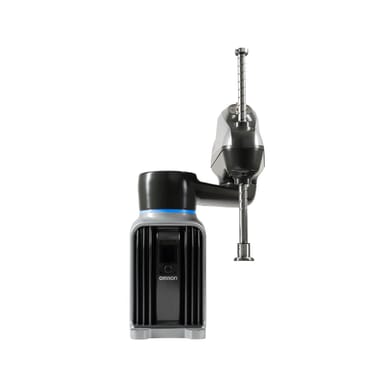
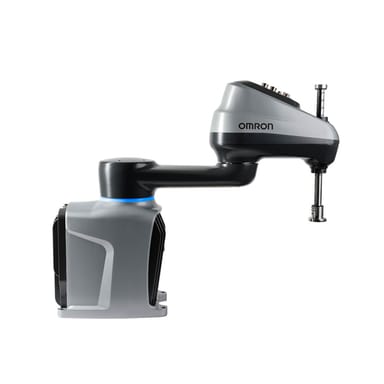
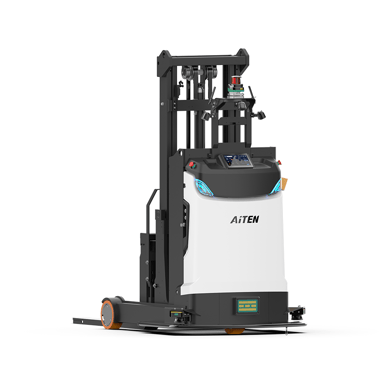
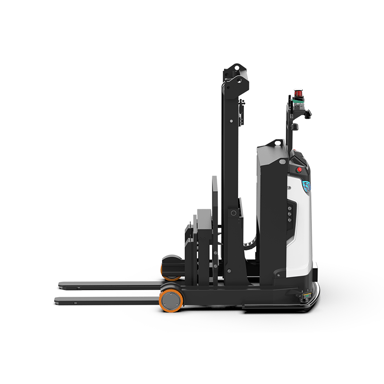
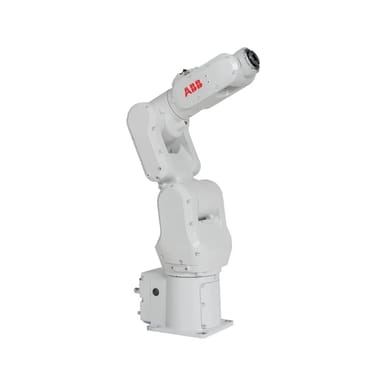
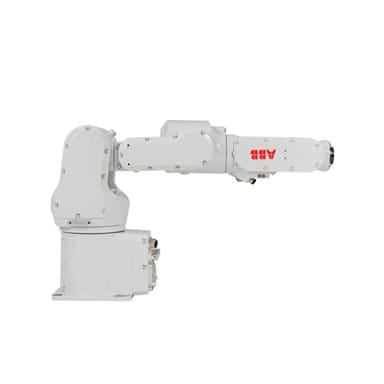
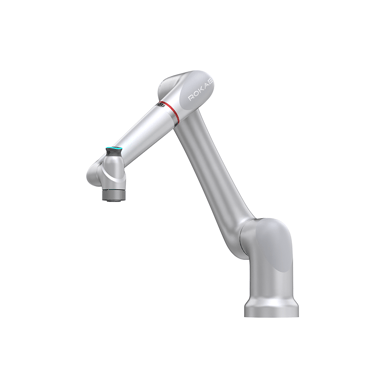
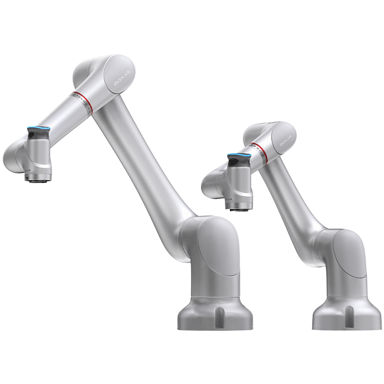
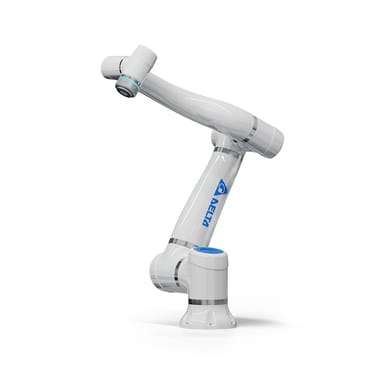
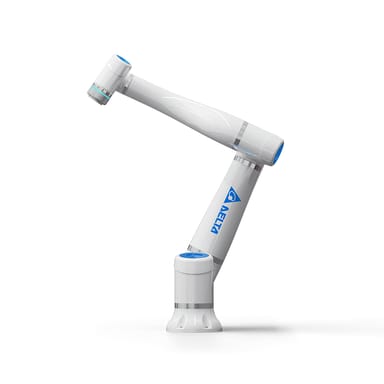
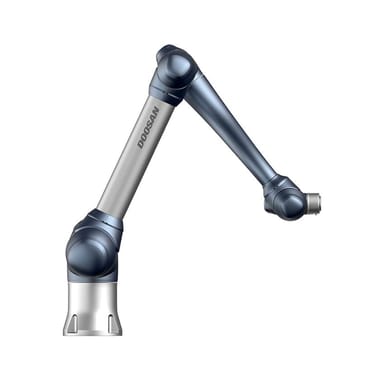
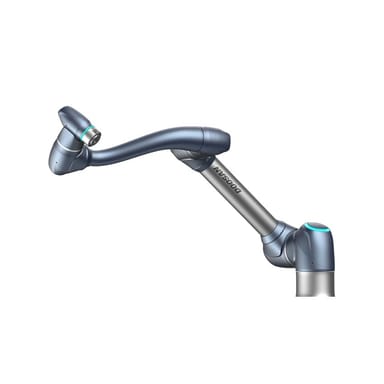
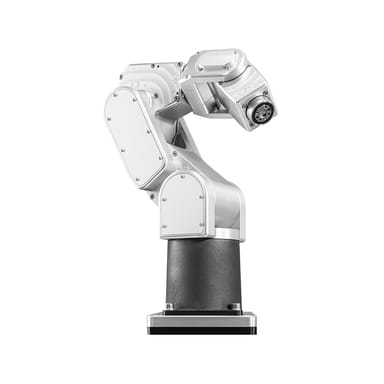
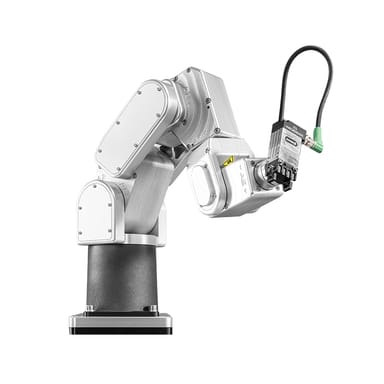


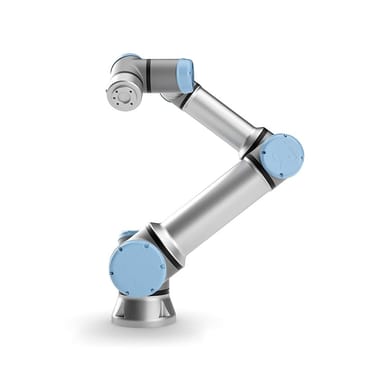
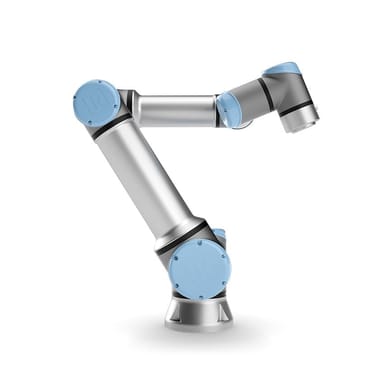
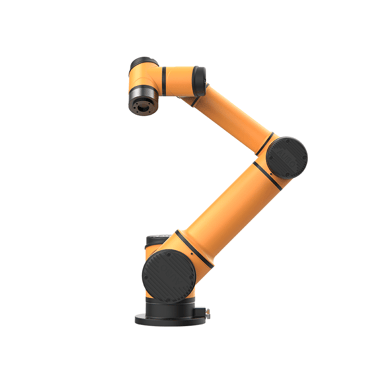
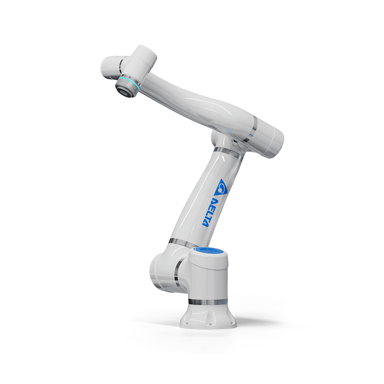
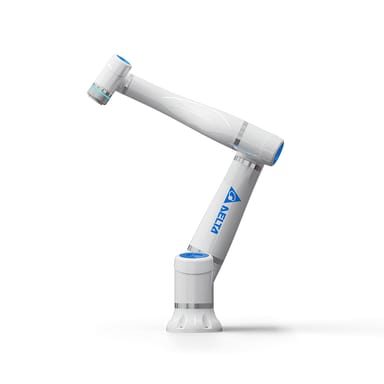
Robots for Modern Automation: Versatile Solutions for Industry and Logistics
Robots have become an indispensable part of modern automation technology. They perform a wide variety of tasks in companies—from precise motion sequences in production to the handling of workpieces and autonomous material transport. In industrial practice, robots ensure greater efficiency, consistent quality, improved process reliability, and greater flexibility in automated processes.
The term “robot” encompasses various systems with different areas of application. Depending on the application, for example, industrial robots, cobots, or mobile robots are used. All these types of robots pursue the same fundamental goal: to automate processes, reduce the workload on employees, and make operations more cost-effective. At the same time, they differ significantly in design, application area, and operating principle.
What is a robot?
A robot is a programmable technical system capable of automatically performing movements or tasks. In practice, this means that a robot can grasp, move, process, inspect, or transport workpieces—depending on its design and the components it is equipped with. In many cases, it works in conjunction with grippers, tools, sensors, or cameras, thereby becoming a complete automation system.
Robotics is no longer just about traditional manufacturing robots in large industrial halls. Today, there are a wide variety of robotic solutions for diverse requirements, ranging from compact collaborative robots to autonomous mobile systems. This is precisely why the category of robots is so diverse: it unites different technologies under a single umbrella term.
What types of robots are there?
In industrial and automated environments, three key robot types stand out: industrial robots, cobots, and mobile robots. Each of these types has its own strengths and typical applications.
Industrial robots
Industrial robots are classic robotic systems for industrial manufacturing. They are primarily used where processes requiring high precision, repeatability, and speed need to be automated. Typical applications include assembly, welding, machine loading, palletizing, parts handling, and quality inspection.
An industrial robot is usually designed for demanding and continuous production processes. Depending on its design, payload, reach, and number of axes, it can perform a wide variety of tasks. Especially in production environments with high volumes and clearly defined processes, industrial robots are a central component of efficient automation.
Cobots
Cobots, or collaborative robots, are specifically designed for flexible automation tasks. Compared to traditional industrial robots, they prioritize easy integration, user-friendly operation, and versatile applications. Cobots are frequently used for assembly, pick-and-place, machine loading, inspection applications, or smaller handling tasks.
A major advantage of cobots is their suitability for flexible production environments and changing processes. They are particularly appealing when companies want to automate individual workstations or gradually transition into robotics. As a result, collaborative robots play a key role, especially in modern, adaptable automation concepts.
Mobile robots
Mobile robots primarily handle transport and logistics tasks. Unlike stationary robots, they move independently or semi-autonomously through their environment and transport materials, products, or load carriers from one location to another. Especially in intralogistics, production environments, and warehouses, mobile robots are now an important component of efficient material flows.
Typical mobile robot systems include, for example, driverless transport solutions and autonomous mobile platforms. They help automate internal transport, optimize routes, and reduce the burden on manual logistics processes. Mobile robots are therefore particularly effective where flexibility and efficient material handling are required.
Robots in Industrial Practice
Depending on the task, robots are used in a wide variety of areas. In production, they perform assembly and handling tasks; in manufacturing, they process or position components; and in logistics, they automate transport and material flow processes. This not only allows individual work steps to be optimized but often makes entire process chains more efficient.
The choice of the right robot type always depends heavily on the application. If a process needs to be automated in a stationary, precise manner with high repeatability, an industrial robot is often the right solution. If flexibility and an easy entry into automation are required, a cobot can be a sensible choice. When materials or products need to be transported automatically, mobile robots come into play.
Why Robots Are Becoming Increasingly Important for Businesses
The use of robots offers businesses many advantages. They help automate repetitive tasks, stabilize production processes, and better manage bottlenecks in day-to-day operations. At the same time, they help relieve employees of monotonous, ergonomically unfavorable, or physically demanding tasks.
In times of skilled labor shortages, rising quality requirements, and growing competitive pressure, robotic solutions are becoming increasingly important. They enable processes to be designed in a scalable, efficient, and future-proof manner. This is not just about maximum automation, but often also about greater flexibility and better adaptability in daily practice.
Advantages of Modern Robot Systems
Modern robots offer a wide range of advantages for industrial and logistics applications. These include:
- high precision and repeatability
- reliable and stable processes
- flexible automation options
- relief from monotonous or physically demanding tasks
- better scalability of processes
- higher efficiency in production and logistics
- Support for increasing product variety
Depending on the robot type, different advantages take center stage. Industrial robots excel particularly in performance and precision, cobots in flexibility and easy integration, and mobile robots in automated material flows and spatial mobility.
Robots as the foundation of future-proof automation
The category of robots encompasses a wide range of automation solutions. From stationary manufacturing robots to collaborative robots and autonomous mobile systems, modern robot technologies address numerous requirements in industry and logistics. They can be combined with grippers, cameras, sensors, and other components, thereby becoming powerful integrated systems for a wide variety of applications.
Precisely because there is no single robot for all tasks, it is important to have a clear understanding of the different robot types. Industrial robots, cobots, and mobile robots each have their own strengths and areas of application, but often complement each other perfectly within modern automation concepts.
Find the right robot for your application
When looking for the right robot, you should always start with the specific application. The key factor is whether a process needs to be automated in a stationary setup, supported flexibly, or executed in a mobile manner. Factors such as payload, reach, precision, integration effort, and process environment also play an important role.
In this category, you’ll find robots for various requirements in automation, production, intralogistics, and robotics. Whether industrial robots, cobots, or mobile robots: the right solution helps you make processes more efficient, flexible, and future-proof.
Find your automation solution now with our configurator
