

Marketplace
-
kg-
mm-
€-
kg-
m/sIndustrial Robots
Industrial robots are built for precision, speed, and durability in structured production environments. Ideal for palletizing, welding, packaging, and assembly, they handle repetitive, heavy-duty tasks efficiently without direct human interaction. Their strength and reliability make them essential for large-scale automated manufacturing.
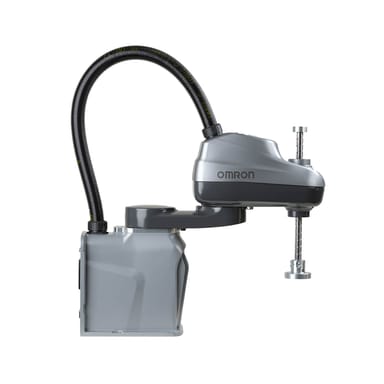
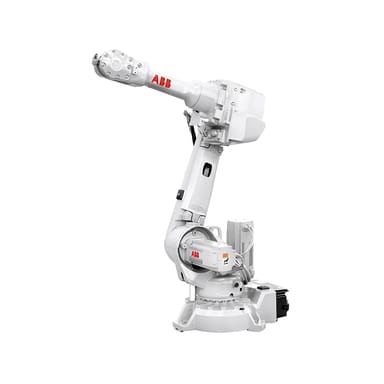
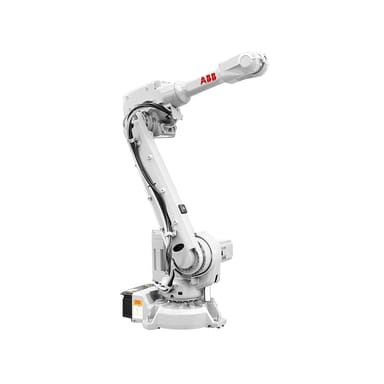
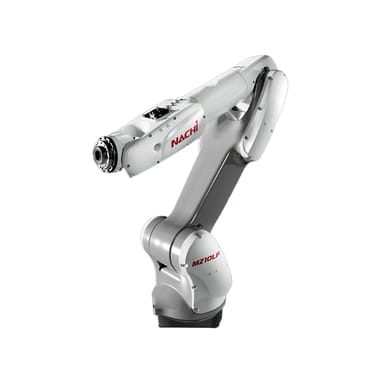
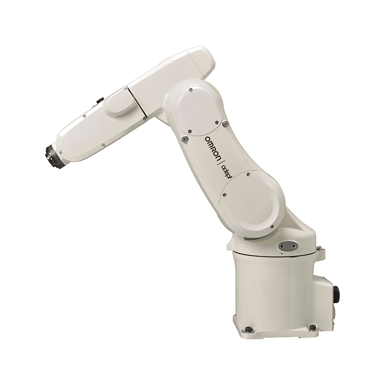
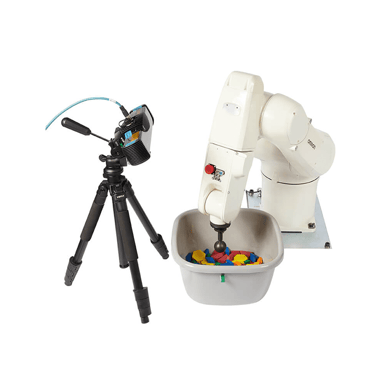
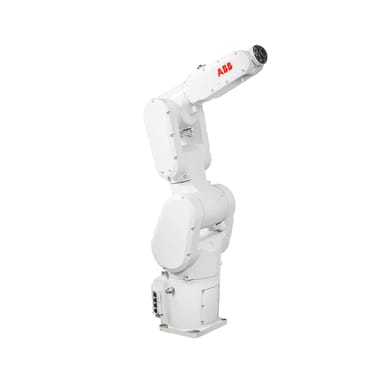
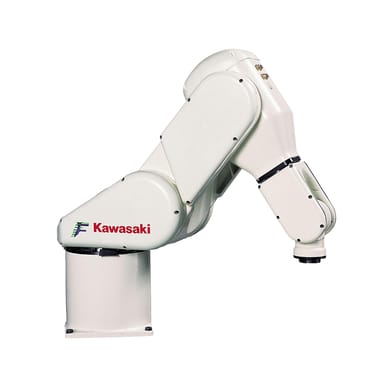
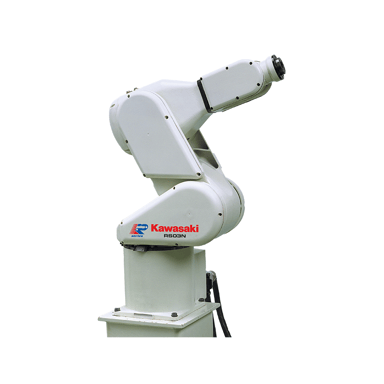
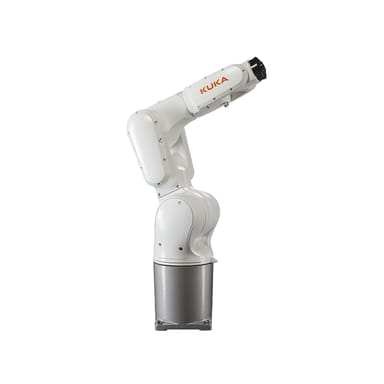
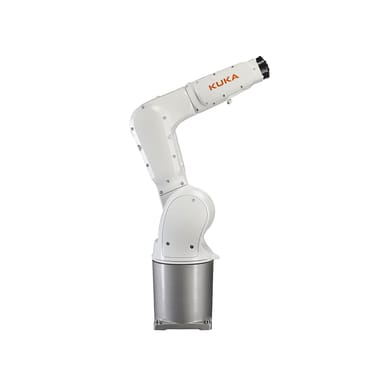
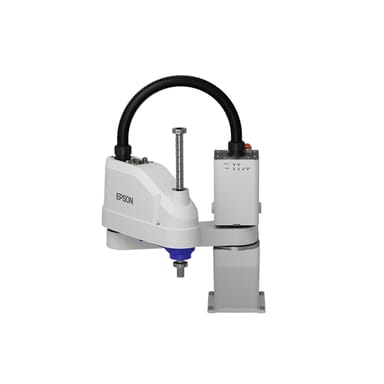
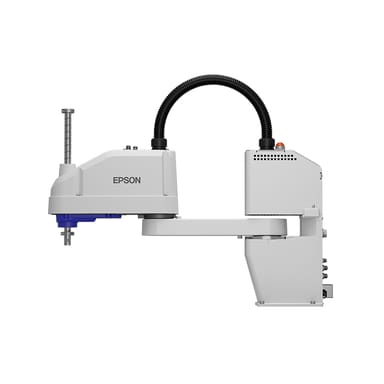
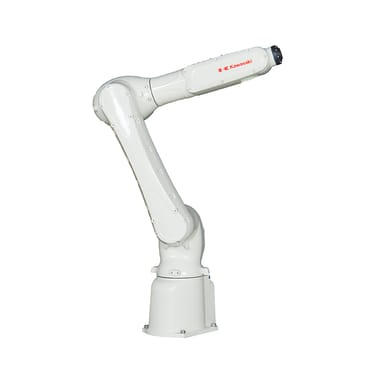
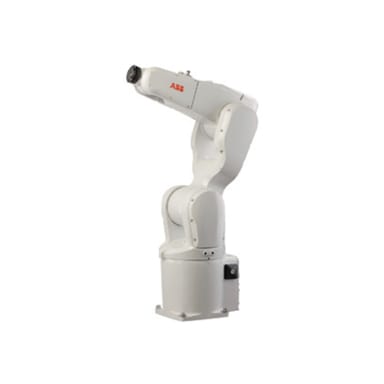
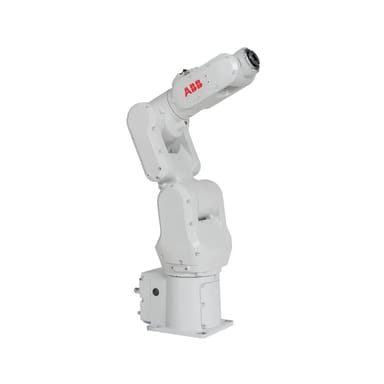
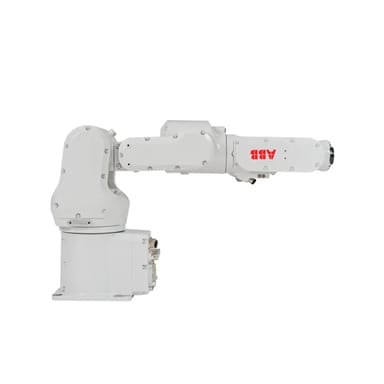
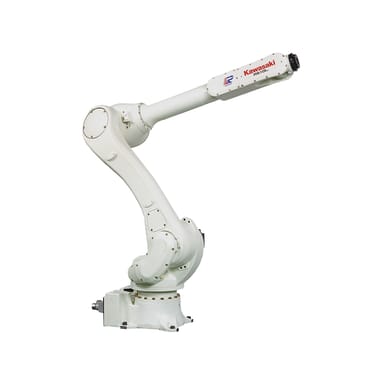
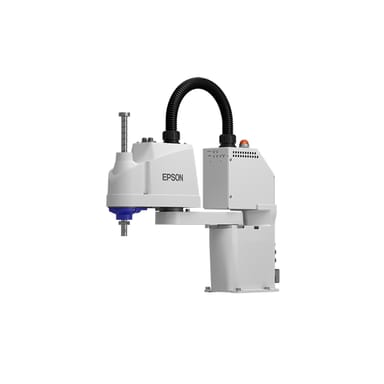
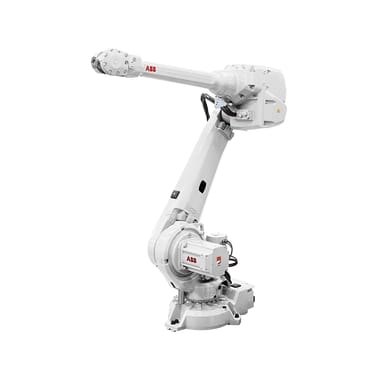
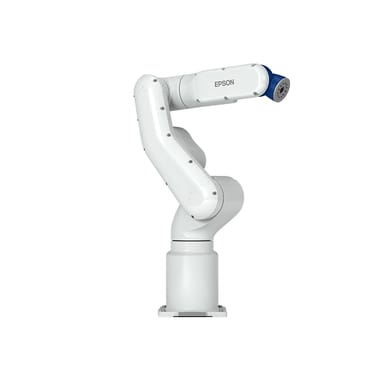
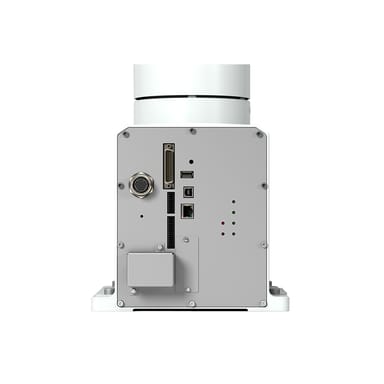
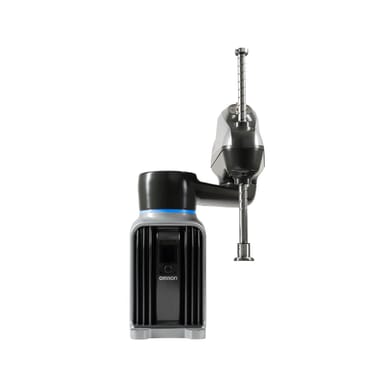
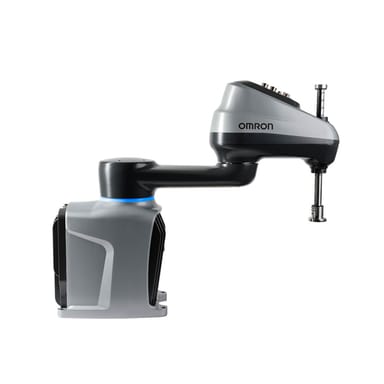
Industrial robots for efficient and flexible automation
Industrial robots are a central component of modern automation technology. In industrial production, they perform tasks that must be carried out with precision, speed, repeatability, and cost-effectiveness. Whether in assembly, welding, pick-and-place, machine loading, palletizing, or quality control: industrial robots help automate processes, increase productivity, and ensure consistently high quality.
In many industries, industrial robots are now indispensable. They are used wherever repetitive movements, high cycle rates, or demanding handling tasks are required. At the same time, they offer companies the opportunity to design production processes more flexibly and respond more quickly to changing requirements. Investing in robotics means investing in greater efficiency, process reliability, and future-proofing.
What is an industrial robot?
An industrial robot is a programmable, typically multi-axis robotic system that performs automated motion and handling tasks in industrial environments. Unlike manual workstations, a robot can execute movements with high precision and consistent repeatability—even over long periods and with high production volumes.
Typically, an industrial robot consists of the robot arm, the individual axes or joints, a controller, and a tool at the end of the robot, such as a gripper, welding torch, or camera. The robot therefore not only moves a workpiece but, together with the appropriate end-effector, functions as a complete automation system.
What are industrial robots used for?
Industrial robots are used in a wide variety of applications. They are particularly common in traditional manufacturing, the automotive industry, electronics, metalworking, packaging, logistics, and many other industrial sectors. Typical tasks include:
- Pick-and-place
- Machine loading and unloading
- Assembly
- Welding
- Adhesive application and dispensing
- Palletizing and depalletizing
- Quality inspection
- Part handling
- Packaging processes
Industrial robots truly shine in repetitive, physically demanding, or process-critical tasks. They relieve employees of such tasks, improve process stability, and ensure that production steps are carried out reliably and with consistent quality.
What types of industrial robots are there?
Not all industrial robots are the same. Different designs and robot types are used depending on the application. The most important variants include articulated-arm robots, SCARA robots, delta robots, and Cartesian robot systems.
Articulated-arm robots
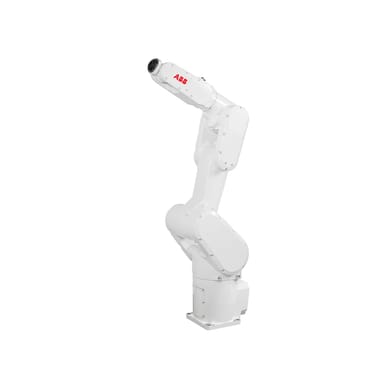
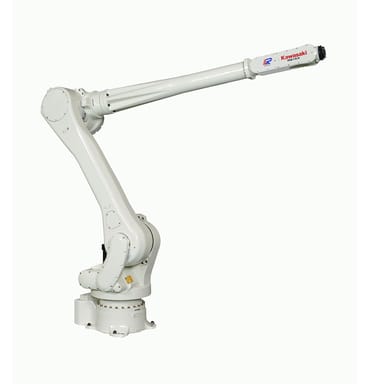
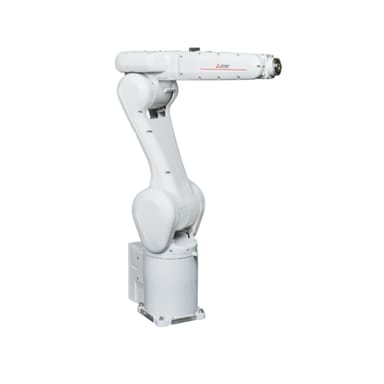
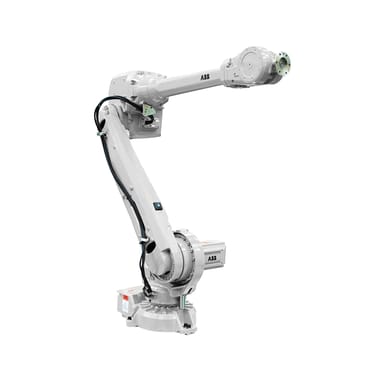
The best-known type is the articulated-arm robot. It is often referred to as a 6-axis robot and is the standard in many industrial applications. Thanks to its high mobility, it is suitable for complex tasks where workpieces need to be flexibly gripped, rotated, aligned, or processed. Articulated robots are frequently used for assembly, welding, machine loading, handling, or palletizing.
The major advantage lies in their versatility. An articulated robot can perform many different tasks and is therefore suitable for numerous automation solutions.
SCARA robots
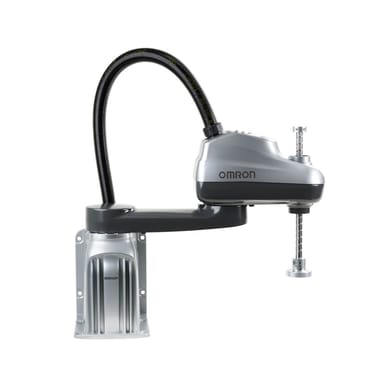
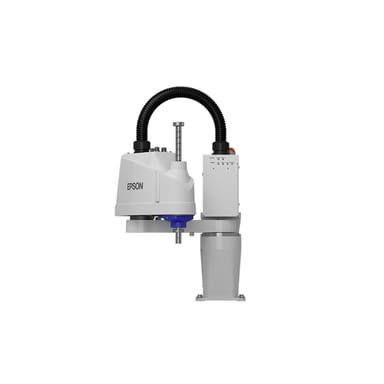
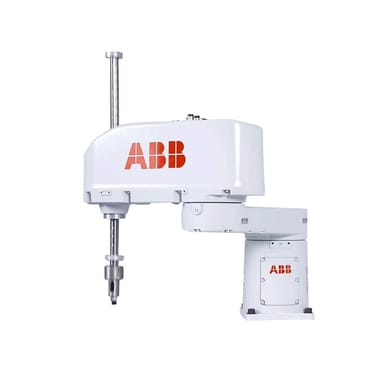
SCARA robots excel at fast, precise movements in horizontal planes. They are frequently used in electronics manufacturing, assembly processes, or pick-and-place applications. When speed, precision, and compact motion sequences are essential, a SCARA robot may be the right choice.
Delta robots
Delta robots are known for very fast pick-and-place processes. They are particularly common in the food industry, packaging, or with lightweight products. Their advantage lies in extremely fast movements when handling parts of comparatively low weight.
Cartesian robots
Cartesian robots move along linear axes and are particularly suitable for clearly defined, linear motion paths. They are frequently used in gantry systems, handling tasks, or certain special-purpose machines.
Number of axes in industrial robots
An important feature of industrial robots is the number of axes. It determines how mobile the robot is and how flexibly it can position workpieces or guide tools. In many industrial applications, 4-axis, 5-axis, and 6-axis robots are particularly relevant.
4-axis robots are often suitable for simpler handling or palletizing tasks. They are a good choice when no particularly complex orientation of the workpiece is required.
5-axis robots offer more mobility than 4-axis systems and can be a good compromise in certain applications. However, they are less commonly the standard choice than 6-axis models.
6-axis industrial robots are particularly flexible and the most widely used in industrial practice. With six degrees of freedom, they can reach, rotate, and precisely position workpieces from many angles. This is why they are often the preferred solution for complex automation tasks.
Payload, Reach, and Repeatability
When selecting the right industrial robot, several technical features play a central role. Payload, reach, and repeatability are particularly important.
Payload indicates how much weight the robot can move. This includes not only the workpiece itself but also grippers, tools, and other attachments. For small components or light assembly tasks, a low payload is often sufficient. For heavy parts, larger tools, or palletizing applications, however, a more powerful robot is required.
Reach describes the size of the robot’s working area. Depending on the workstation and application, the robot must be able to work close to the machine or cover larger areas.
Repeatability is crucial if processes are to run precisely and consistently. High accuracy is often indispensable, particularly in assembly, welding, or inspection processes.
Advantages of Industrial Robots
Industrial robots offer many advantages for companies looking to automate their production. They increase efficiency, reduce manual routine tasks, and ensure consistently high process quality. Additionally, they can help take over physically demanding or monotonous tasks, thereby specifically relieving employees of such work.
The most important advantages include:
- high precision and repeatability
- reliable processes
- fast cycle times
- flexible applications
- lower error rates
- relief from monotonous or heavy tasks
- better scalability in production
Especially in times of skilled labor shortages, increasing competitive pressure, and growing product variety, industrial robots are a key tool for future-proofing production processes.
For which companies is an industrial robot worthwhile?
An industrial robot is worthwhile for companies that want to automate recurring processes, stabilize quality, and increase their productivity. Robot systems are no longer relevant only to large enterprises. Small and medium-sized enterprises are also increasingly turning to industrial robots to automate specific processes and operate more economically.
The specific application is always the deciding factor. Which solution is best suited depends, among other things, on component size, weight, cycle time, space constraints, tools, and integration effort. Therefore, a robotic system should always be selected to match the actual process requirements.
Buying an industrial robot: the right solution for your automation
If you want to buy an industrial robot, you should consider not only the robot itself but the entire application scenario. Important criteria include design, number of axes, payload, reach, repeatability, and the specific task to be automated. Only when combined with the right controller, software, and end-effector does a truly powerful automation solution emerge.
In this category, you’ll find industrial robots for a wide variety of applications in robotics, production, and automation. Whether it’s a versatile articulated robot, a fast SCARA robot, or a specialized solution for precise handling tasks: the right industrial robot helps you make processes more efficient, stable, and future-proof.
Find your automation solution now with our configurator
